Beginner's guide

So you're getting into capoeira

Welcome to the most unusual beginner's experience in any martial art. Capoeira is Brazilian, centuries old, and requires you to learn to play live music alongside the fighting game. Your first class will be ginga footwork, unfamiliar Portuguese, and a lot of confusion. That's the whole point. Here's what to buy so you walk in ready.

By Colin B. · Published June 8, 2026 · Last reviewed June 8, 2026

The 60-second version

If you only buy 3 things to start:

  1. JL Sport Authentic Brazilian Capoeira Pants — JL Sport capoeira pants — the standard white abadá worn at schools worldwide, order one size up.
  2. 165cm Full-Size Brazilian Berimbau Set — Complete beginner berimbau kit: every component included, ready to learn basic toques.
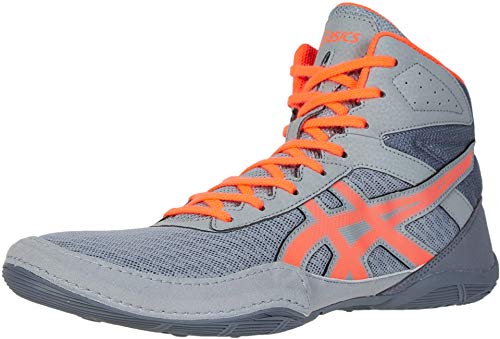
  3. ASICS Matflex 6 Wrestling Shoe — ASICS Matflex wrestling shoes — flat sole and snug fit, the capoeira community's standard pick.
Budget total
$80
Typical total
$200
A white abadá and capoeira shoes covers your first class for around $80. Adding a starter berimbau kit puts you at $150–200. Traditional biriba berimbaus and professional pandeiros push past $300.

We earn commission on qualifying Amazon purchases — see our affiliate disclosure. Price tiers and budget totals shown above are editorial estimates; actual Amazon prices vary.

At a glance

Our top pick in each category

The fastest path through this guide — each best-starter pick by category. Scroll for the budget and upgrade alternatives.

CategoryTop pickPriceWhere to buy
Uniform (Abadá)JL SportJL Sport Authentic Brazilian Capoeira Pants$$ See on Amazon →
BerimbauMyBerimbau165cm Full-Size Brazilian Berimbau Set$$ See on Amazon →
PandeiroLatin PercussionLatin Percussion LP RIO 10-Inch Pandeiro$$ See on Amazon →
Training ShoesASICSASICS Matflex 6 Wrestling Shoe$$ See on Amazon →
Belt & AccessoriesJL SportTraditional Capoeira Cordão Ranking Belt$ See on Amazon →
Before you buy anything

A few things worth knowing first

Find a school first, then buy gear. Capoeira is not a solo-at-home discipline — the jogo (game) is a dialogue between two people, refereed by a live orchestra called the bateria. You need a group, and your mestre will tell you which abadá color their school uses and which belt system they follow.

The berimbau is not optional, eventually. Every capoeira student is expected to learn all the bateria instruments. You won't play on day one, but within the first few months you'll want a berimbau to practice at home. The rhythm it sets drives the entire game.

Capoeira is practiced barefoot or in dedicated flat-soled shoes. Running shoes actively work against you — the cushioned heel interferes with ginga pivots and makes groundwork unstable. Wrestling shoes are the community's standard answer.

The gear

What you actually need

Uniform (Abadá)

The white abadá is required at virtually every capoeira school in the world. The loose-cut pants give full range of motion for kicks, sweeps, and groundwork — a standard athletic fit will not. The shirt is often optional at practice but required for events. Most schools specify white with school patches. If your mestre hasn't told you yet, white abadá pants are universally acceptable for a first class anywhere. Order one size up from your usual: capoeira movements demand more room than everyday sizing allows.

JL Sport Authentic Brazilian Capoeira Pants Best starter
JL Sport

Authentic Brazilian Capoeira Pants

$$

Our rating

JL Sport's capoeira pants are the most consistently available and reviewed abadá on Amazon. Elastic waist handles wide stances and deep kicks without restriction, and cotton-poly holds its white through repeated washing. These are what most US beginners end up buying. Order one size up — Brazilian sizing runs small and you need room to extend a meia-lua without the fabric stopping your leg.

What we like

  • Elastic waist suits capoeira's extreme stance changes and kicks
  • Cotton-poly holds its white through repeated training washes
  • Most reviewed capoeira pants on Amazon; consistent sizing feedback

What to know

  • Sizing runs small; order one size up without exception
  • White fabric shows every dirt mark from floor work immediately
Budget pick
Capoeira Brasil

Capoeira Abadá Pants (White)

$

Our rating

A solid backup abadá option when the JL Sport is out of stock in your size, or when you need a second pair — abadás need washing regularly and training three times a week means rotating two pairs. Same elastic-waist design, similar cotton weight, lower price.

What we like

  • Lower price makes buying a backup pair easier to justify
  • Elastic waist handles capoeira's stance requirements correctly

What to know

  • Less consistent size chart than JL Sport; measure before buying
  • Cotton-only tends to wrinkle and takes longer to dry than blends
Man playing a berimbau during a capoeira performance.

Photo by Sebastián Brito on Unsplash

Berimbau

The berimbau is a one-string musical bow: held in the left hand, a gourd resonator (cabaça) pressed against your belly for volume, a stick (baqueta) in the right hand strikes the wire while a dobrão (metal coin or stone) changes the pitch. A caxixi rattle shaker attached to the baqueta adds texture. The berimbau dictates the rhythm and tempo of the entire jogo — when the berimbau says stop, both players stop. Learning to play is not optional; every capoeirista plays in the bateria eventually. Start a beginner kit in your first month so the mechanics are not new when your mestre asks you to play.

165cm Full-Size Brazilian Berimbau Set Best starter
MyBerimbau

165cm Full-Size Brazilian Berimbau Set

$$

Our rating

Everything in one package: the verga (bow), cabaça gourd, arame wire, dobrão coin, caxixi rattle, and baqueta stick. The 165cm length is the standard adult size. Wood quality is entry-level, which is fine — you are learning grip, pressure, and basic toques, not performing in concert. Every component is individually replaceable as you improve.

What we like

  • All components included; no sourcing each piece separately
  • 165cm standard adult size plays correctly from day one
  • Entry-level wood is fine for learning grip, pressure, and toques

What to know

  • Entry-level wood produces thinner tone than traditional biriba
  • Kit gourd is smaller than professional cabaças, limiting projection
KINGJOHN Cabaça Replacement Gourd for Berimbau Specialty pick
KINGJOHN

Cabaça Replacement Gourd for Berimbau

$

Our rating

The cabaça is the single component with the most impact on your berimbau's tone. Upgrading from your kit's smaller gourd to a larger, properly seasoned cabaça is the first meaningful upgrade to make — before worrying about wood grade or replacing the whole instrument. This KINGJOHN replacement is correctly sized for standard adult berimbaus.

What we like

  • Largest single-component upgrade for improving berimbau tone
  • Replacement gourd extends the life of an otherwise good beginner kit

What to know

  • Gourds are fragile; store carefully and transport in a padded bag
  • Not needed until you play consistently and can hear the tone difference
Berimbau Arame Replacement Strings (3-Pack) Specialty pick
MyBerimbau

Berimbau Arame Replacement Strings (3-Pack)

$

Our rating

Arame wire breaks during practice — aggressive baqueta strikes and repeated dobrão pressure fatigue it over time. A broken arame mid-practice means a silent berimbau. The 0.875mm diameter is the capoeira standard. Keep a 3-pack on hand so a broken string isn't a reason to miss class.

What we like

  • 0.875mm standard gauge matches capoeira berimbau requirements
  • 3-pack covers a full season of regular practice

What to know

  • Not needed immediately; buy after you start playing regularly
  • Wire installation requires practice; watch a tutorial before trying
Capoeira musician playing a pandeiro frame drum.

Photo by Sebastián Brito on Unsplash

Pandeiro

The pandeiro is capoeira's frame drum, played in a circular stroke with thumb and finger pressure on the head while metal platinelas jingle on the downbeats. Every capoeira student learns pandeiro alongside berimbau. It is easier than berimbau to get a sound out of on day one, but harder to play at full speed with clean tone. Get a 10-inch nylon-head pandeiro for your first instrument — nylon heads stay in tune through humidity and sweat better than goatskin, which matters enormously in an active training environment.

Latin Percussion LP RIO 10-Inch Pandeiro Best starter
Latin Percussion

LP RIO 10-Inch Pandeiro

$129.99 as of Jun 22, 2026

Our rating · Only 2 left in stock - order soon.

LP's 10-inch nylon-head pandeiro is the standard recommendation for capoeira beginners in the US. Nylon heads hold tune through sweat and humidity — a real advantage over goatskin — and the attack is consistent enough to build correct technique on. This is what you will see at most US academias.

What we like

  • Nylon head holds tune through humidity and heavy sweat
  • Consistent attack response makes learning technique repeatable
  • LP widely stocked; replacement heads are easy to find

What to know

  • Nylon tone is brighter and thinner than traditional goatskin
  • Head replacement is LP-specific sizing; not universally interchangeable
RMV Pandeiro with Synthetic Head Upgrade pick
RMV

Pandeiro with Synthetic Head

$$$

Our rating

Brazilian-made pandeiros produce the full, warm tone capoeira mestres expect in the bateria. The synthetic head on this RMV gives you Brazilian craftsmanship and projection without goatskin's humidity sensitivity. A meaningful step up in sound once you are playing in rodas consistently.

What we like

  • Brazilian-made; richer projection and fuller tone than the LP
  • Synthetic head eliminates goatskin's humidity-tuning requirement

What to know

  • Not worth the price until you have built consistent hand technique
  • Amazon availability inconsistent; may need ordering from a music shop

Training Shoes

Capoeira is traditionally practiced barefoot, and many mestres prefer it. But polished concrete floors in most academias make bare feet painful for beginners whose footwork is not yet efficient. Dedicated capoeira shoes have flat, thin soles that let you feel the floor, zero heel drop, and enough flex not to block complex footwork. The capoeira community settled on wrestling shoes as the answer long before anyone made a dedicated product: flat sole, snug fit, and pivot grip built in. Running shoes actively work against you here.

ASICS Matflex 6 Wrestling Shoe Best starter
ASICS

Matflex 6 Wrestling Shoe

$$

Our rating

The flat sole and zero heel drop of wrestling shoes make them the capoeira community's consensus pick. ASICS Matflex fits snug, stays put during ginga pivots, and the split outsole flexes for groundwork. This is the most recommended shoe in US capoeira communities, and the ASICS build quality holds up to regular training.

What we like

  • Zero heel drop is exactly right for capoeira's pivot-based footwork
  • Flat outsole lets you feel the floor better than any court shoe
  • ASICS build quality holds up through regular ginga and groundwork

What to know

  • Runs narrow; wide-footed players need to size up a half size
  • Purely a training shoe; not comfortable for extended casual wear
Adidas Combat Speed 5 Wrestling Shoe Budget pick
Adidas

Combat Speed 5 Wrestling Shoe

$$

Our rating

Adidas's wrestling shoe offers the same flat sole and pivot mechanics as the ASICS at a lower price. Less construction refinement, but the capoeira use case isn't demanding: flat sole, snug fit, grip on polished concrete. This does all three.

What we like

  • Flat sole handles ginga pivots and groundwork mechanics correctly
  • Often priced lower than comparable wrestling shoes

What to know

  • Less durable outsole than ASICS; wears faster on rough concrete
  • Fewer colorways; mostly training-focused appearance
Specialty pick
Feiyue

FE LO 1920 Martial Arts Shoe

$

Our rating

These flat canvas martial arts sneakers have been used in capoeira for decades. The ultra-thin sole gives maximum ground feel, the low cut doesn't restrict ankle movement, and they cost very little. Traditional academias still wear them. Not built for heavy daily training but widely accepted and easy to replace.

What we like

  • Ultra-flat sole maximizes ground feel for sensitive ginga footwork
  • Low cost and widely available; easy to replace after heavy use

What to know

  • Canvas offers minimal protection against floor scraping
  • Less durable than wrestling shoes under regular training loads

Belt & Accessories

The cordão is capoeira's rope belt, awarded by your mestre at the batizado (initiation ceremony). Beginners receive a crua (natural, unbleached) or branca (white) cord in most traditional grupos. You will want a backup — they get sweaty and need washing. Beyond the belt, two small items matter: the dobrão (the flat coin that changes the berimbau's pitch — a spare prevents practice interruptions when one rolls away) and the agogô (double cowbell, the easiest bateria instrument to learn at home).

Best starter
JL Sport

Traditional Capoeira Cordão Ranking Belt

$

Our rating

Your cordão will be awarded by your mestre at batizado, but you will want a backup before then — they get sweaty and need washing. This traditional braided cotton belt is the standard starting color in most grupos. At 3 meters it wraps correctly for capoeira's distinctive double-loop knot.

What we like

  • 3-meter length wraps correctly for capoeira's double-loop knot
  • Braided cotton holds its shape after washing, unlike synthetic cord

What to know

  • Color may not match your school's system; verify before ordering
  • Knot loosens with heavy play; re-tie before each session
Specialty pick
MyBerimbau

Dobrão Coin Set for Berimbau

$

Our rating

The dobrão is the metal coin pressed against the berimbau's arame wire to change pitch. A dropped dobrão can stop your practice cold. This set gives you multiple coins of the standard size so you have spares in your bag, your instrument case, and wherever you practice. A $10 purchase that prevents a lot of interruptions.

What we like

  • Multiple coins mean a dropped dobrão doesn't stop your practice
  • Standard size fits most adult berimbau arame gauges

What to know

  • Check diameter compatibility with your specific arame wire gauge
  • Not a substitute for rosin — the wire also needs rosin applied separately
LP LP231A Standard Agogô Bells Specialty pick
Latin Percussion

LP LP231A Standard Agogô Bells

$56.97 as of Jun 22, 2026

Our rating · Only 17 left in stock (more on the way).

The agogô is the easiest bateria instrument to start — two cowbells (high and low pitch), one stick, one simple pattern. Most schools have communal instruments, but owning your own means practicing the rhythmic structure at home. The two tones lock into the berimbau and pandeiro and help you understand how the bateria fits together.

What we like

  • Easiest bateria instrument; basic pattern is learnable in 20 minutes
  • Practicing at home builds rhythmic foundation before class

What to know

  • Most schools have communal agogôs; personal ownership is not urgent
  • Metal-on-metal tone is loud; apartment practice annoys neighbors
Going deeper

Your first month of capoeira

Capoeira doesn't meet you where you are; you meet it where it is. A month of consistent training gives you the ginga, your first attacks, and enough of the game to understand what you're watching.

Capoeira students in white abadá practicing outdoors
Photo by Thao LEE on Unsplash

There is a moment in every new capoeirista’s first class where someone demonstrates the ginga and it looks effortless, fluid, and completely unlike anything you can do with your own body. That moment is the beginning of the real learning curve.

Capoeira is three things at once: a martial art, a dance, and a musical tradition. The game (jogo) is a conversation between two players, spoken in kicks, sweeps, and evasions, set to live music played by their classmates. The berimbau controls the tempo. The songs carry the history. The roda (circle of players) is the arena.

You will not understand any of this on day one. Here is what your first month actually looks like.

Week 1: Learning to ginga

Everything in capoeira starts with the ginga. It is the base movement, the footwork that keeps you in constant motion so you are never a static target. You step left, you step right, you load your weight and shift. On paper it is simple. In your body it is not, at first.

Spend your first week on nothing but the ginga. Your mestre will tell you when you are ready to move on. The temptation is to rush past it toward kicks, but the ginga is not a formality — it is the engine. Attacks come out of the ginga. Defense happens through the ginga. Every advanced movement traces back to getting this right.

The other thing that happens in week one: you learn that capoeira has a lot of Portuguese. The kicks have Portuguese names. The game has Portuguese rules. The songs are in Portuguese. You are not expected to understand any of this immediately. Repetition handles it.

Week 2-3: First kicks and esquivas

The meia-lua de frente (front crescent kick) is usually the first kick a new student learns. It is a wide, sweeping kick from the outside in, low and horizontal. It looks powerful and it teaches you how capoeira kicks work: they are not punches with your foot. They come from rotation, from weight transfer, from the whole body moving together.

After the meia-lua you will learn the esquivas — the evasions. In capoeira you do not block kicks; you move out of the way. The ginga gives you the positioning; the esquiva drops you below, beside, or behind the attack. This is what makes capoeira look like a dance. The two players are not trading blows. They are each moving through the space the other player is vacating.

This is also when the music starts to make sense as something you are inside of, not watching. The berimbau’s rhythm sets how fast the game moves. Fast rhythm, fast game. Slow rhythm, slow, close, traditional game. You feel it before you consciously understand it.

A few things that trip up everyone in weeks two and three:

  • Esquivas take more practice than kicks. Getting out of the way of something that is not coming yet requires trusting the ginga. Trust takes time.
  • Your kicks will be too high. Low kicks are harder to dodge than high ones. Your body’s instinct is to kick at head height. Your mestre will correct this repeatedly.
  • You will forget to breathe. Capoeira is aerobically demanding in ways that catch beginners off guard. The ginga looks relaxed. Playing a full roda is not.

Week 4: Your first roda

At some point in your first month, your mestre will put you in the roda. You will play a game with another student while your classmates form the circle and play music.

It will not go the way you practiced. The other player will do things you did not expect. You will forget your ginga. You will probably freeze once or twice. All of this is normal and expected, and your classmates in the circle are rooting for you.

What you should focus on in your first roda is not winning. It is staying in the ginga. If you can keep moving, you are playing capoeira. Everything else is detail.

The roda also teaches you something practicing in lines does not: the game is improvisational. There is no set sequence. The berimbau tells you the energy level; the two players negotiate the rest in real time. This is what makes capoeira genuinely difficult to master and genuinely impossible to get bored with.

Things you will fail at (and that is normal)

Every new capoeirista fails at the same things. You will too:

  • Standing still inside the roda. The ginga is a habit that takes months to become automatic. Until then you will stop when you are thinking.
  • Watching the hands instead of the whole body. Capoeira attacks come from hips, shoulders, and legs. Eyes on hands means you miss everything else.
  • Tensing up during kicks. Tight muscles mean slow, short kicks. Capoeira kicks come from relaxation. Your mestre will tell you to loosen your legs. Do it.
  • Ignoring the music. The berimbau is telling you things. Start listening to it as information, not background noise.

None of these failures are unusual. They are part of the process. The students who progress are the ones who keep showing up.

The instruments are not optional

By the end of your first month, your mestre will expect you to start learning berimbau and pandeiro. You do not need to play them well. You need to understand what they are doing so that when you are in the roda, the music means something to you.

The berimbau has three basic sounds: the open tone (no dobrão pressure), the closed tone (dobrão pressed against the wire), and the buzz tone (wire lightly touching the gourd). Different combinations of these three tones create the toques (rhythms), and different toques call for different styles of play. Iúna is the most respected toque — only advanced players play during Iúna. São Bento Grande tells you to play fast and energetic. Santa Maria is slow and close.

You learn to play. Then you learn what you are playing. Then you learn to play what the game needs.

What comes next

Capoeira’s learning curve does not flatten out for a long time, but the benchmarks are clear:

  • Month 2-3: The ginga becomes automatic. You stop thinking about your feet and start thinking about your partner.
  • Month 4-6: You can feel the berimbau changing and adjust your game without thinking about it.
  • Month 6-12: Your mestre starts talking to you about your batizado. This is the formal initiation ceremony where you receive your first cordão. It is not a test; it is recognition that you belong.

The community is what makes capoeira sustainable. The classmates who learn alongside you become training partners and friends. The lineage connecting you through your mestre back to Brazil is real and something people take seriously. That seriousness is part of what you signed up for.

Save your money

What you don't need yet

Beginners get pressured to buy a lot of stuff that doesn't help them play better. Here's what we'd skip on day one.

  • An atabaque drum — This tall conga-like drum anchors the bateria but costs $300+ and your school almost certainly has one. Do not buy until you have played for at least a year and your mestre asks.
  • A second berimbau (Gunga or Viola tuning) — Experienced players own all three berimbau pitches. Beginners need one. Learn the basic toques first; the other tunings come months later.
  • Protective sparring gear — Capoeira does not involve contact sparring in the early stages. The jogo is a dialogue. You do not need gloves, shin guards, or pads as a beginner.
  • Competition or event abadá — Your school will tell you dress code requirements before events. A standard training abadá is fine until your first batizado ceremony.
  • Maculelê sticks — Maculelê is a related stick-fighting dance, not core capoeira. Some schools teach it; many do not. Wait until your mestre introduces it.
First week

Your first seven days

A short, real plan to get from gear-on-doorstep to actually playing.

  1. Find a local capoeira group (academia or grupo) near you. · Action
  2. Email the mestre before showing up — ask about dress code and what to expect for your first class. · Action
  3. Order white abadá pants so they arrive before your first session. · Buy
  4. Watch a full capoeira roda on YouTube to understand what the game looks like before you are in one. · Learn
  5. Learn the basic ginga from a YouTube tutorial. Knowing the fundamental footwork before class is the one preparation that actually helps. · Learn
  6. Order a dobrão set for your berimbau — a spare coin in your bag means a dropped dobrão doesn't stop practice. · Buy
FAQ

Common questions

Do I need to be in shape to start capoeira?

No, but capoeira will get you in shape quickly. Most schools welcome beginners of all fitness levels. The ginga and basic movements are approachable from day one; the conditioning comes from consistent training. Be honest with your mestre about any physical limitations.

Is capoeira actually effective as a martial art?

Yes, though it looks deceptive. The evasive footwork, sweeps, and takedowns are real techniques. Advanced capoeira is genuinely difficult to counter because attacks come from angles other martial arts don't train against. Beginners won't be sparring for a long time — the early emphasis is the game's form, not application.

What is the difference between capoeira Angola and capoeira Regional?

Angola (Mestre Pastinha's lineage) is slower, closer to the ground, more traditional in music and game style. Regional (Mestre Bimba's lineage) is faster, more acrobatic, and more standardized. Most schools today practice Contemporary capoeira, a blend of both. The school you join reflects its mestre's lineage — worth asking about before you sign up.

Why is there singing during capoeira?

The music is not decoration — it is instruction. The ladainha chant sets the mood. The corrido call-and-response during the jogo signals rhythm changes and can communicate tactics. Learning the songs is part of learning capoeira; they are not separable.

How long until my first batizado ceremony?

Typically 6 months to a year of consistent training, though it depends entirely on your mestre and grupo. The batizado is not a test you pass — it is an initiation where your mestre formally awards your first cordão. Do not rush it; the preparation is the point.

Can I learn capoeira without joining a formal school?

Not meaningfully. YouTube can teach you movements, but capoeira is a dialogue — you learn to play by playing with someone. The jogo, the music, the roda etiquette, and the cultural context all require a mestre and a community. Find a school; this is not optional.

Going further

Where to next

Browse by category

Authoritative sources