Korean cooking looks like it needs a long shopping list, but three jars, a pot, and a rice cooker get you most of the way. Here's what to buy first, what's worth skipping, and how to avoid the pantry mistakes that make beginners give up.
By Colin B. · Published November 1, 2026 · Last reviewed November 1, 2026
The pantry basics run about $45 and unlock most recipes. Add a ttukbaegi for about $37 and you are cooking for around $80. Fish sauce and a rice cooker at about $140, worth it if rice is a staple, take you to about $235.
We earn commission on qualifying Amazon purchases — see our
affiliate disclosure.
Price tiers and budget totals shown above are editorial estimates;
actual Amazon prices vary.
At a glance
Our top pick in each category
The fastest path through this guide — each best-starter pick by category.
Scroll for the budget and upgrade alternatives.
Buy the three core pastes first: gochujang, gochugaru, doenjang. Skip the dozen specialty sauces until you've cooked with these for a month. Most recipes only ask for these three plus soy sauce, garlic, and sesame oil.
Don't substitute crushed red pepper for gochugaru or miso for doenjang. They taste different enough that the dish will read as off. Gochugaru runs about $13 a pound, cheap enough that substitutions aren't worth it.
Start with rice in a pot. A decent rice cooker is a great purchase, but it's a $140+ one, and you'll cook better rice on a stovetop in week one than you'll tolerate from a $30 cooker. Buy the Cuckoo once you're eating rice most days.
The gear
What you actually need
Pantry Pastes & Flakes
Three ingredients do most of the work in Korean home cooking: gochujang (fermented chili paste), gochugaru (chili flakes), and doenjang (fermented soybean paste). They are not interchangeable. Gochujang is sweet, sticky, and savory; gochugaru is clean heat and color; doenjang is funky and salty like miso's rowdier cousin. Buy all three in the biggest tub you will actually finish, keep them in the fridge once opened, and you can make roughly 80% of the classic dishes.
Best starter
CJ Haechandle
Haechandle Gochujang Hot Pepper Paste (500g)
$
★★★★★Our rating
The tub you will see in every Korean grocery. Sweet-spicy and thick enough to stir into stews, marinades, and bibimbap sauce. A 500g tub runs about $9 and lasts months in the fridge. If you buy one thing on this page, buy this.
What we like
About $9 for 500g, which lasts months
Works in stews, marinades, dipping sauce, and bibimbap
Same brand you will find at any Korean grocery
What to know
Contains added sweetener; heat is medium, not fiery
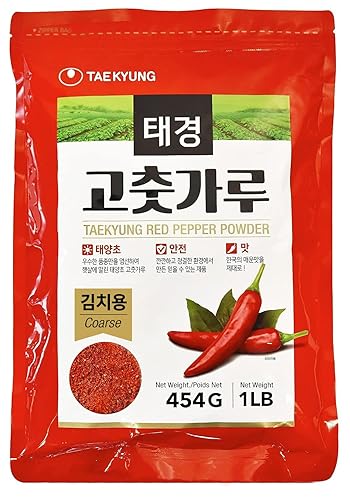
Coarse flakes with real color and a fruity, not scorching, heat. This is the gochugaru for kimchi, jjigae, and seasoning vegetables. A pound is more than most beginners need, but it is about $13 and freezes well.
The savory backbone of doenjang-jjigae, the everyday Korean stew. Salty and deeply funky, so a spoonful goes a long way. Buy it when you are ready for your first jjigae, not before.
Two bottles earn their shelf space on day one: toasted sesame oil and fish sauce. Sesame oil is a finishing flavor, not a cooking oil, so you only need a few drops per dish. Fish sauce quietly deepens kimchi and soups. Soy sauce you probably already have; a standard Japanese-style one is fine until you want to go deeper.
Best starter
Kadoya
Roasted Sesame Oil (11 oz)
$
★★★★★Our rating
The bottle in the yellow-and-red label that half of Asian America grew up with. Dark, nutty, and strong, so it stretches. Drizzle it on rice, namul, and bibimbap at the end of cooking.
First-press fish sauce from anchovies and salt, nothing else. Korean cooks lean on salted fish for kimchi; this is a clean, accessible stand-in that adds savory depth to kimchi paste and soups. Pricey per bottle, but you use a tablespoon at a time.
What we like
Just anchovy and salt, no additives
A tablespoon deepens kimchi and soup
One bottle lasts a year
What to know
About $15, so the priciest bottle on this list
Vietnamese, not Korean, so it is a stand-in rather than the traditional ingredient
The bubbling, still-boiling-at-the-table stew is half the appeal of Korean home cooking, and that takes a ttukbaegi (earthenware pot) or a dolsot (stone bowl). Both hold heat far longer than steel. You do not need either to cook jjigae on a stove; you do need one to get the experience. Buy one ttukbaegi first. Dolsot can wait until you love bibimbap.
Best starter
OnggiJonggi
Korean Earthenware Clay Hot Pot (1100ml)
$$
★★★★★Our rating
The right size for one generous bowl of jjigae or two modest ones. Lidded, Korean-style, and about $37. This is the one to start with if you want the real tabletop-bubbling experience.
What we like
Fits one hungry person or two light eaters
Keeps stew bubbling at the table
Lid helps rice and soups cook evenly
What to know
Needs gentle heat; high flame or a thermal shock can crack it
Twice-fired clay, made in Korea, and rated for gas, grill, and oven. A little pricier than the OnggiJonggi but sturdier-feeling and more versatile for baking rice or braises.
The sizzling stone bowl behind crispy-bottomed bibimbap. Get it hot on the stove, add rice and sesame oil, and listen for the crackle. A pure luxury at first, but it is the single most fun piece of Korean cookware.
What we like
Makes crispy rice (nurungji) at home
Holds heat for a long, slow meal
About $32, cheaper than most hotpots
What to know
Single-purpose; you will mostly use it for bibimbap
Rice is the center of every Korean meal, and a decent rice cooker is the one appliance worth buying. Korean-style cookers are tuned for short-grain and sticky rice, and many make nurungji (scorched rice) and porridge. You can cook rice in a pot for a while, but if you eat it more than three times a week, a good cooker pays back fast. Don't buy a $30 single-button cooker; it will make mush.
Best starter
Cuckoo
Micom Fuzzy Logic Rice Cooker, 6-Cup (CR-0675FG)
$$$
★★★★★Our rating
Cuckoo is the Korean brand of rice cooker. This 6-cup micom model has fuzzy-logic cooking, ten modes (white, mixed, porridge, scorched), and a nonstick pot. It costs about $140 and feeds a household of two to four.
The Japanese benchmark that rice nerds swear by. Neuro-fuzzy logic adjusts heat to the batch, and rice quality is a shade better than most. Roughly $240, so only worth it if rice is a daily staple.
Pressure cooking makes rice plumper and chewier, and turbo mode finishes white rice in 18-24 minutes. At about $200, it suits people who eat a lot of brown or mixed grain rice.
Korean cooking has a reputation for being complicated. It isn't: a few fermented pastes, a pot of rice, and one good stew teach you most of it. Here's what the first four weeks actually look like.
Korean food looks intimidating from the outside: a dozen small side dishes, bubbling pots, jars of mysterious red paste. In practice, the home version is built on a handful of repeating flavors. Once you know them, the rest is variations.
This is a realistic first month, week by week.
Week 1: Rice, eggs, and one red paste
Don’t start with kimchi. Start with the simplest meal in the Korean repertoire: a bowl of short-grain rice, a fried egg with crispy edges, a drizzle of sesame oil, and a spoonful of gochujang. Stir it together. That is a real meal and it teaches you the three flavors you’ll use for the rest of the month: sweet-spicy, nutty, and savory.
Two lessons from week one:
Rinse your rice. Swirl it in cold water and drain until the water runs mostly clear, three or four rinses. Skipping this is the number one reason homemade rice tastes gummy.
Taste your pastes straight. Put a little gochujang and a little doenjang on a spoon. You need to know what they taste like before you cook with them, because doenjang in particular is a lot saltier and funkier than people expect.
Jjigae is Korean stew, and doenjang-jjigae is the best one to start with. It uses a few vegetables (zucchini, potato, onion), tofu, and a spoonful or two of doenjang dissolved in anchovy broth or just water. It’s ready in 20 minutes and almost impossible to ruin.
Here’s what usually goes wrong:
Too salty. Start with one tablespoon of doenjang for two servings, and add more only after tasting.
Bland. If you used water, add a splash of fish sauce and a little gochugaru. Both deepen the flavor fast.
Mushy vegetables. Add potato first, zucchini and tofu last. Everything should finish together.
If you bought a ttukbaegi, this is when it earns its place. Bring the stew up to a boil in the pot on low-to-medium heat, carry it to the table still bubbling, and eat directly from it. The stew stays hot for the whole meal.
Week 3: Marinades and kimchi-fried rice
By now you’re comfortable with the pastes. This week is about range. Two dishes give you the most for the least effort:
Gochujang chicken or pork. Mix gochujang with soy sauce, garlic, a little sugar, and sesame oil. Marinate for an hour and pan-fry or roast. It’s the fastest route from “I own gochujang” to a dinner people ask about.
Kimchi fried rice (kimchi bokkeumbap). Buy a jar of kimchi at a Korean grocery, chop it, fry it with day-old rice, and top with a fried egg. Cold, leftover rice works far better than fresh rice here.
Week 4: Side dishes (banchan) and your own kimchi, maybe
Now that you can cook a main, try the side dishes. Namul (seasoned vegetables) is the easiest: blanch spinach or bean sprouts, squeeze dry, and toss with sesame oil, garlic, salt, and sesame seeds. Five minutes, and it makes a meal feel complete.
If you’re curious about homemade kimchi, try a small batch of one cabbage. Don’t buy special equipment: a big clean jar or airtight container works. Salt the cabbage, mix with gochugaru paste, pack it down, and leave it out for a day before refrigerating. It won’t be perfect, but you’ll learn why store kimchi tastes the way it does.
How much does it cost to start Korean home cooking?
The pantry basics (gochujang, gochugaru, doenjang, sesame oil) run about $45 and cover most recipes. Add a ttukbaegi for about $37 and you're around $80. A rice cooker adds $140 or more, but it's optional on day one.
Is gochugaru the same as crushed red pepper?
No. Gochugaru is milder, fruitier, and coarser than the red pepper flakes on a pizza shaker. Substituting changes the flavor and the color of the dish, so buy the real thing; it's about $13 for a pound.
Do I need a rice cooker?
Not at first. A heavy pot works, and you'll learn what good rice tastes like. If you eat rice most days, a Cuckoo around $140 is worth it and makes nurungji and porridge too.
Where should I buy ingredients?
A Korean grocery like H Mart is cheaper and fresher for pastes, produce, and banchan. Amazon works for pantry staples, especially if you don't live near one.
Can I use my ttukbaegi on an electric stove?
Often yes on coil burners at low heat, but glass-top stoves are risky. Always start on low and heat gradually; sudden temperature changes crack clay.
As an Amazon Associate, JustBeginning earns from qualifying purchases.
We may also earn commission from other affiliate programs linked on this
page. Editorial recommendations are independent; we don't choose
products based on commission rates.
Our top pickHaechandle Gochujang Hot Pepper Paste (500g)

 Best starter