Basket weaving is calm, tactile and surprisingly quick: most beginners finish a usable basket in an afternoon. Reed is the friendliest material to learn on, and you need very few tools. Here's reed vs rattan vs willow vs pine needle, starter kits that actually teach, the tools worth having, and how to soak and shape.
By Colin B. · Published November 12, 2026 · Last reviewed November 12, 2026
A five-basket beginner kit, clothespins and a pair of scissors come to about $85. Add extra flat and round reed, a packing tool and a good book and you're near $170.
We earn commission when you buy through links on this page, including
Amazon. See our affiliate disclosure.
Price tiers and budget totals shown above are editorial estimates;
actual prices vary.
At a glance
Our top pick in each category
The fastest path through this guide — each best-starter pick by category.
Scroll for the budget and upgrade alternatives.
Start with reed. Reed is the inner core of the rattan vine, sold in flat and round strands. It soaks quickly, bends easily and forgives mistakes, which is why most classes and kits use it. Willow is beautiful but needs days of soaking and strong hands. Pine needle baskets are coiled and stitched, a different technique entirely.
Buy a kit that teaches, not just one that supplies. Good beginner kits come with pre-cut materials and clear step-by-step patterns. Kits with a single vague instruction sheet and a bundle of reed are frustrating. A kit with several baskets that build on each other is the best value.
You need almost no tools. Scissors, clothespins to hold rows in place, a tub of warm water and a towel cover your first baskets. A packing tool, an awl and a spray bottle make life easier once you're hooked.
A starter kit gives you exactly the right amount of each reed, often with a wooden base already drilled, plus patterns written for beginners. It removes the hardest part of starting, which is knowing what size and type of reed to buy. Look for kits with several baskets that progress in difficulty, so you finish each one having learned something new.
Best starter
V.I. Reed and Cane
Introduction to Basket Weaving Kit for 5 Baskets
$65.95 as of Nov 12, 2026
★★★★★Our rating· In Stock
Materials and patterns for five beginner baskets from a long-running basket supply company. Each one introduces a new technique, so by the end you can start, weave, shape and rim a basket on your own. About $66. 130+ reviews at 4.4 stars.
Beginner Basket Kit, Set of Four: Coil, Plaited, Twined and Woven
$49.95 as of Nov 12, 2026
★★★★☆Our rating· In Stock
Four small baskets, each in a different technique: coiled, plaited, twined and woven. A nice way to sample the whole craft and find which style you enjoy before committing to one. About $50. 25 reviews at 4.4 stars.
Everything for a coiled pine needle basket: long needles, thread, a needle and a wooden center. Pine needle work is slow, portable and meditative, and suits people who like stitching more than weaving. About $31. 140+ reviews at 4.4 stars.
Flat reed is used for stakes (the uprights) and weavers in most beginner baskets. It has a smooth side and a rougher side: the smooth side faces out. Round reed is used for twining, wrapping and decorative rows, and its numbers refer to diameter (#2 is thin, #6 is thick). Reed is sold in one-pound coils, which go a long way.
Best starter
Commonwealth Basket
Flat Reed 1/2 Inch, 1 Pound Coil
$27.83 as of Nov 12, 2026
★★★★★Our rating· In Stock
A pound of half-inch flat reed, about 185 feet. This is the most common width for stakes and weavers in beginner patterns, enough for several baskets. About $28. 460+ reviews at 4.6 stars.
A pound of thin round reed, about 750 feet. Used for twining rows that lock stakes in place, lashing rims, and small baskets. A coil lasts a very long time. About $15. 260+ reviews at 4.5 stars.
Basketry needs few tools. Sharp scissors cut reed cleanly. Clothespins hold weavers and stakes in place while you work, and you'll use dozens. A packing tool pushes rows down tight and opens up gaps when you tuck ends in at the rim. Keep a tub of warm water and a towel nearby for soaking, and a spray bottle to keep reed damp as you go.
Best starter
Tecbeauty
Wooden Clothespins, 3 Inch, 100 Pack
$9.99 as of Nov 12, 2026
★★★★★Our rating· In Stock
A hundred sturdy wooden spring clothespins. They hold each row in place as you weave, clip stakes upright while you shape the sides, and keep the rim together while you lash it. About $10. 3,500+ reviews at 4.2 stars.
Sharp, comfortable scissors that cut reed cleanly without crushing the ends. Keep a pair just for basketry, since reed dulls blades over time. Sold by Amazon. About $11. 20,000+ reviews at 4.8 stars.
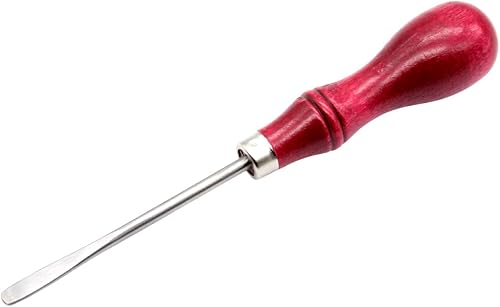
A flat, tapered steel packing tool made in the USA by a tool company dating to 1826. Use it to push rows down tight and to open space under weavers for tucking stake ends in at the rim. About $15. 18 reviews at 4.8 stars.
Kits teach you to follow a pattern. A good book teaches you why each step works, so you can fix mistakes and eventually design your own baskets. Look for clear photos of every step, since weaving is hard to describe in words alone.
Best starter
BJ Crawford
Basketry Basics: Create 18 Beautiful Baskets as You Learn the Craft
$22.63 as of Nov 12, 2026
★★★★★Our rating· In Stock
Eighteen projects arranged to teach techniques one at a time, with step-by-step photos. It covers materials, starting a base, weaving the sides, shaping and finishing rims. About $23. 100+ reviews at 4.6 stars.
Pine Needle Basketry: From Forest Floor to Finished Project
$11.27 as of Nov 12, 2026
★★★★☆Our rating· In Stock
The best-known guide to coiled pine needle baskets, from gathering and preparing needles to stitches, shapes and decorative finishes. Pairs well with a pine needle kit. About $11. 890 reviews at 4.8 stars.
Every reed basket follows the same arc: lay out a base, turn the stakes up, weave the sides and finish a rim. Your first three baskets teach each stage properly. Here's what to focus on in each, and how to fix the most common problems.
Your first basket will probably lean a little, and the rim might be lumpy. That’s normal, and it’s still a basket you can use. Treat your first three as practice for the three stages every basket goes through.
Before you start: Soak and sort
Fill a tub with warm water. Coil a few strands of flat reed and soak them for a few minutes until they bend without cracking. Don’t leave reed soaking for long: oversoaked reed turns fuzzy and weak. Keep a spray bottle and a towel nearby.
Find the smooth side of each strand. Bend it gently: the side that stays smooth is the outside, and the side that splinters is the inside. The smooth side faces out on your basket.
Basket 1: The base
Focus on the base. For a square basket, lay half your stakes side by side, then weave the other half over and under them at right angles. Mark the center of each stake with a pencil so you can line them up. Keep the gaps even and the corners square, then clip the stakes in place with clothespins.
Next, gently bend the stakes upward along the edge of the woven base. This is called upsetting. Bend them firmly so they stand up on their own. A crisp upset gives you straight sides.
Then weave a few rows around the sides and finish the kit’s way. Don’t worry about perfection; you’re learning the base.
Basket 2: The sides
On your second basket, concentrate on keeping the sides even. Weave each row over one stake and under the next, starting each new row on a different stake so the joins don’t line up. Press every row down with your fingers or a packing tool so there are no gaps.
Watch the shape as you go. Stakes want to splay outward, so pull your weaver gently snug, not tight. If the basket starts flaring, ease up; if it’s pulling in, loosen slightly.
Now focus on finishing well. Trim the stakes, leaving enough length to fold over. Dampen the ends, fold every other stake over the top row and tuck it down inside the weaving, then trim the rest flush.
Clip flat reed rims on the inside and outside of the top row, add a strand of round reed or seagrass on top as a filler, and lash it all together with thin flat reed or round reed, going around the basket. A neat, tight rim makes even a simple basket look finished.
After three baskets you’ll know the full process, and you can start choosing patterns for shapes and handles you love.
No. Most people finish a simple reed basket in their first afternoon. The skills that take practice are keeping the sides straight and even, controlling the shape, and finishing a neat rim. Each basket gets noticeably better.
What's the difference between reed and rattan?
Rattan is a climbing palm. The shiny outer bark is cut into cane, used for chair seats. The inner core is processed into reed, which is what most basket makers use. So reed comes from rattan, but they're used differently.
Why does my reed crack or split?
It's too dry. Reed needs a short soak in warm water before weaving and should stay damp while you work. Mist it with a spray bottle as you go. Very old or poor-quality reed also cracks more.
How long does it take to make a basket?
A small beginner basket usually takes two to four hours, including soaking time. Larger or more detailed baskets can take a day or more. Pine needle baskets are much slower and are often worked over weeks.
Can I wash a reed basket?
Yes, gently. Rinse it with water, wipe off dirt with a soft brush, and let it air-dry completely out of direct sun. Reed baskets can even be lightly dampened to reshape them.
National Basketry Organization — The US basketry society: classes, guilds, exhibitions and history across every material and tradition.
V.I. Reed and Cane — A long-running supplier with free patterns, reed size charts and step-by-step instructions for beginner baskets.
r/BasketWeaving — Share your first baskets and get help with wobbly sides, gaps and rims from experienced weavers.
JustBeginning earns commission from affiliate programs. As an Amazon
Associate, we earn from qualifying purchases. This costs you nothing
extra and doesn't change our recommendations.
Prices and availability are accurate as of the date and time
shown and can change; the price on Amazon when you buy is what
applies.
How this works.
Our top pickIntroduction to Basket Weaving Kit for 5 Baskets


 Best starter