Indian home cooking needs less gear than the spice-aisle shopping lists suggest. A pressure cooker, a small tadka pan, a steel spice box, and a tawa get you to dal, sabzi, and fresh roti. Here is what to buy first and what can wait.
By Colin B. · Published November 1, 2026 · Last reviewed November 1, 2026
The basics run about $130: a tawa, tadka pan, masala dabba, a pack of core spices, and a chakla-belan. Add a Hawkins pressure cooker at about $65 and a spice grinder at about $50 and you are at roughly $245, which equips a full Indian kitchen.
We earn commission on qualifying Amazon purchases — see our
affiliate disclosure.
Price tiers and budget totals shown above are editorial estimates;
actual Amazon prices vary.
At a glance
Our top pick in each category
The fastest path through this guide — each best-starter pick by category.
Scroll for the budget and upgrade alternatives.
Buy the pressure cooker first if you plan to cook dal weekly. Dal, chana, and rajma are the backbone of everyday Indian meals, and the cooker cuts toor dal from about 45 minutes to 15, and soaked chana or rajma from about 90 minutes to 25. A 3-litre stovetop Hawkins at about $65 is plenty for one to three people.
Start with eight spices, not thirty. Cumin seeds, mustard seeds, turmeric, red chili powder, coriander powder, garam masala, hing, and kasuri methi cover most home recipes. Buy small bags and replace ground spices within six months.
Buy whole cumin and coriander and grind them yourself once you have a grinder. A $50 Cuisinart turns toasted seeds into powder in seconds and the flavor is noticeably better, but do not buy it before you have cooked with store powder for a few weeks.
Dal, chana, rajma, and curry bases all want a pressure cooker, and in most Indian homes it is the first pot bought. Toor dal that takes about 45 minutes on the stove is done in 15, and soaked chana that takes 90 is done in about 25. You have two good routes: a stovetop cooker with the classic whistle-and-weight design, or an electric multicooker you set and walk away from. Stovetop is faster and cheaper; electric is gentler on beginners who dislike watching a pot.
Pressure Cookers — what's the difference?
A few common shapes, each making a different trade.
Stovetop
Fast, cheap, and the way most Indian recipes are written.
Size to buy
3 L for 1-3 people
Cost
~$65
Time for dal
~15 min
Best for Cooks who want speed and are fine watching a pot for a few minutes
Tradeoff Needs attention; you count whistles or watch the pressure
Futura 3 Litre Hard Anodised Pressure Cooker (FP30)
$$
★★★★★Our rating
The Hawkins Futura is the cooker most Indian kitchens know, and the 3-litre size is right for one to three people. The inner-lid design and weighted whistle are simple, with few parts to fail. At about $65 it is a pot you will use several times a week for dal, chana, and rajma.
What we like
Inner-lid design is simple and has few parts to replace
3 L fits dal for 2-3 people without a huge pot to store
Whistle tells you when to turn the heat down
What to know
Hard-anodised finish darkens with use; it is cosmetic
Inspect the gasket and whistle when it arrives, before the first cook
If a stovetop cooker makes you nervous, the Instant Pot does the same dal and chana at the press of a button. It also makes rice and yogurt and holds food warm. At about $90 it costs more than the Hawkins, so buy it only if you value hands-off cooking.
What we like
Hands-off: press a button and walk away
Also makes rice, yogurt, and slow-cooked curries
Keeps food warm after cooking
What to know
Costs more than the stovetop Hawkins and is slower to pressure
6 qt is large for one person and takes counter space
A masala dabba is the round steel tin with seven small cups that holds the spices you reach for daily. It is the single most useful Indian kitchen object because everything sits in one place, at the stove, and a spoonful of each goes in during the tadka. Buy one with a double lid (an outer lid plus inner lid) so spices stay fresh, and fill it with whole cumin, mustard seed, turmeric, red chili powder, coriander powder, garam masala, and hing.
Best starter
Saachi
Stainless Steel Masala Dabba with 7 Containers, Spoon and Double Lid
$$
★★★★★Our rating
A proper masala dabba for about $30: seven steel cups, a spoon, and a double lid that keeps spices fresh. It does everything the pricier ones do. Fill it with the seven spices you cook with most and keep it beside the stove.
What we like
Double lid keeps spices fresher than single-lid boxes
7-in-1 Stainless Steel Spice Box with Lid (8-Inch)
$$$
★★★★☆Our rating
Vinod is a well-known Indian steel brand, and this box is thicker steel with an airtight lid. At about $44 it is worth it if you cook daily and want one that lasts for years. For a first month, the Saachi is enough.
What we like
Heavier steel than cheaper boxes
Airtight lid, and the listing says it is dishwasher safe
Brand has been making Indian cookware for decades
What to know
About $14 more than the Saachi for similar function
Eight spices cover most home Indian cooking: cumin seeds, mustard seeds, turmeric, red chili powder, coriander powder, garam masala, hing, and kasuri methi. Buy small amounts and replace ground spices within about six months. Whole spices last longer, and toasting then grinding cumin and coriander at home tastes noticeably better than store-bought powder. A cheap electric grinder is the fastest way to do that.
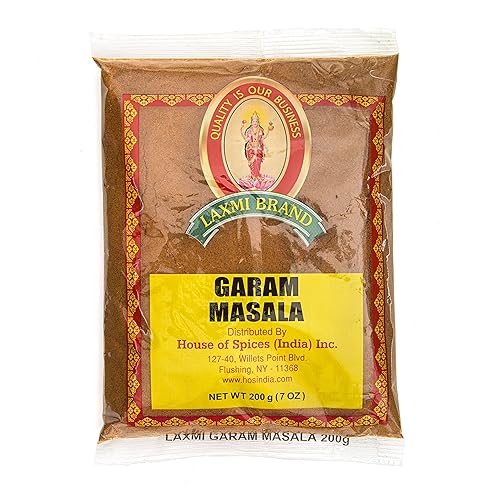
Five 7-ounce bags of cumin seeds, coriander seeds, turmeric, red chili powder, and garam masala for about $27. That covers most of a dabba. Laxmi is sold in Indian grocery stores, so what you get on Amazon is what Indian cooks buy.
What we like
Five core spices in big, cheap bags
Same brand sold in Indian grocery stores
Whole cumin and coriander seeds toast and grind fresh
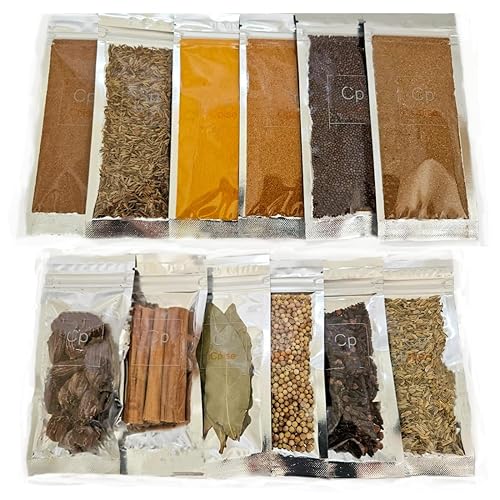
A 12-spice set that includes whole cumin, whole coriander, garam masala, and turmeric in small resealable packets. At about $37 it is pricier per ounce but the better pick if you want to try many spices without buying large bags.
What we like
Twelve spices in small packets, good for trying things
A $50 blade grinder that turns toasted cumin and coriander into powder in about 15 seconds. Also handy for coffee, flax, and chili. Fresh-ground cumin is the quickest upgrade to your cooking.
What we like
Grinds toasted spices fine in 15 seconds
Bowl and lid are dishwasher safe
Covers coffee, flax, and chili too
What to know
Small 90 g capacity, so you grind in batches
Spice smells linger; grind a spoonful of dry rice to clean the bowl
A tadka (or tarka) is the sizzling spiced oil poured over dal at the end, and it is the step that makes Indian home cooking taste like Indian home cooking. You need a tiny pan with a long handle to do it, because a big pan scorches the spices. A kadai, the deep round-bottomed wok, is the second pan: it makes sabzi, curries, and deep-fried pakoras. Both are cheap.
Best starter
Hawkins
1.5 Cup Triply Stainless Steel Tadka Pan, 360 ml (STP15)
$
★★★★★Our rating
A 360 ml triply pan with a long stay-cool handle and a pouring rim all the way round, about $13. It is the right size to bloom cumin and mustard seeds in two tablespoons of ghee without burning them, and it works on gas and induction.
What we like
About $13 for the pan every dal recipe wants
Triply base resists scorching spices
Rim all the way round pours cleanly into the pot
What to know
Small: only enough for one tadka at a time
Handle stays cool but the rim gets very hot; pour with care
Stainless Steel Deluxe Kadhai with Glass Lid, 26 cm (3.9 L)
$$$
★★★★☆Our rating
A deep sandwich-bottom kadai with a glass lid for curries, sabzi, and frying. It holds heat evenly and works on induction. At about $55 it is a bigger buy; wait until the tadka pan and tawa have taught you what you cook.
What we like
Sandwich bottom spreads heat for steady frying
Glass lid lets you watch the curry
Deep enough for pakoras and large curries
What to know
Sticks if you do not preheat properly; stainless takes practice
Fresh roti is the thing that makes Indian cooking at home feel different, and it needs two tools: a flat iron tawa to cook it and a chakla-belan (round board and tapered pin) to roll it. Rolling is a skill, and your first dozen will be lopsided. That is normal. Atta (whole wheat flour) and warm water are all the dough needs; the tools do the rest.
Best starter
Victoria
12-Inch Cast Iron Comal with Long Handle
$
★★★★★Our rating
A 12-inch flat cast iron griddle, pre-seasoned with flaxseed oil, about $36. The comal shape is a tawa by another name: it holds heat so roti puff and brown, and the same pan makes dosa, paratha, and chilla. Wipe it dry, rub with oil, and it lasts decades.
What we like
Holds heat for puffing roti and crisp dosa
Pre-seasoned, so it works from day one
Long handle plus a loop handle make a hot pan easy to move
What to know
Heavy and needs oiling after washing
Flat rim, so expect a little oil to run off when you season it
Wooden Chakla Belan Set, 10 Inch Round Board and Rolling Pin
$$
★★★★☆Our rating
A 10-inch round wooden board with a tapered rolling pin, about $24. The tapered belan lets you rotate dough as you roll, which is how you get round rotis. A tray with dry atta beside you stops sticking.
What we like
Tapered belan makes it easier to turn the dough as you roll
Wood board does not slide on the counter like marble
Indian cooking looks like it needs a hundred spices. It doesn't: one tadka technique, a pressure cooker, and eight spices carry most of the first month. Here is what each week looks like.
Indian home cooking has a reputation for being complicated, mostly because restaurant menus and spice aisles are. The everyday version is small: a pot of dal, a vegetable dish, rice or roti, and one technique that ties them together. Learn that technique and the rest is variation.
This is a realistic first month, week by week.
Week 1: Dal and the tadka
Start with toor or moong dal, the simplest Indian dish. Rinse a cup of dal, add three cups of water, turmeric, and salt, and pressure cook it for about three whistles (roughly 15 minutes). Mash it with a whisk.
Then make the tadka, which is the whole trick. Heat two tablespoons of ghee or oil in your small tadka pan until it shimmers. Add a teaspoon of cumin seeds, which should sizzle within seconds. Add a few sliced garlic cloves and a dried red chili, cook until the garlic is golden, and pour it, hissing, over the dal.
That sound and smell is the dish. Spices in hot fat release flavor that dry spices never will.
A sabzi is a dry-ish vegetable dish. Start with aloo gobi (potato and cauliflower) or bhindi (okra) since both are forgiving. The pattern repeats: heat oil in the kadai or a wide pan, add cumin or mustard seeds, then onion, then turmeric, chili powder, and coriander powder, then the vegetables and a splash of water, and cover.
The common beginner mistake is burning the ground spices. Add them to oil that is hot but not smoking, stir for ten seconds, and then add something wet like tomatoes or the vegetables right away. If it smells acrid, start over; burnt spice cannot be fixed.
Week 3: Rolling roti
Make a dough of one cup atta (whole wheat flour), a pinch of salt, and about a third of a cup of warm water, adding more a spoonful at a time. Knead for five minutes until it feels like a soft earlobe, rest it for twenty, then pinch off golf-ball portions.
Dust each in dry atta and roll with the belan, rotating the dough a quarter turn after every roll. Your first ten rotis will be shaped like Australia. That is normal. Cook on a hot tawa for about 30 seconds a side, then press gently with a cloth and they may puff.
Don’t chase a perfect circle. A roti that cooks through and puffs is a good roti. Roundness comes in about two weeks.
Week 4: Put a meal together
By now you can make dal, a sabzi, and roti. A weeknight meal is just all three at once: start the dal in the cooker, prep the vegetable while it cooks, make the tadka while the sabzi simmers, and roll roti at the end so they are hot.
Add one new dish this week: chana masala (chickpeas in tomato and spice gravy) or rajma (kidney beans). Both use the pressure cooker and the same spice list. Once those click, you know most of what a North Indian home kitchen cooks daily.
Burnt spices. Hot oil, ten seconds, then add something wet.
Bland dal. Salt more than you think, add lemon at the end, and make the tadka bigger.
Stale ground spices. If your coriander powder has been open a year, replace it.
Rushing the onions. Onion browning takes ten minutes, not three. It is where the gravy flavor comes from.
Where to go next
Once dal, sabzi, and roti are routine, try a basic curry base (onion, tomato, ginger-garlic), then fresh paneer or a biryani for a weekend. The Indian grocery will teach you the rest.
Save your money
What you don't need yet
Beginners get pressured to buy a lot of stuff that doesn't help them play
better. Here's what we'd skip on day one.
A mixer-grinder — Indian mixer-grinders run $100+ and are for chutneys and dosa batter. A blender and a spice grinder cover your first months.
A tandoor or tandoor oven — Home tandoors cost hundreds. A hot oven and a cast iron tawa make good naan and tikka for now.
A roti maker machine — Electric roti makers cost $100-250 and mostly gather dust. Learn the rolling by hand first; it takes about two weeks.
Thirty kinds of masala — Premixed masalas (chole, pav bhaji, sambar) are nice later. Start with the eight single spices and learn what each does.
A brass or copper kadai — Beautiful, but they need tinning or careful care. Stainless or cast iron cooks the same food.
First week
Your first seven days
A short, real plan to get from gear-on-doorstep to actually playing.
Find an Indian grocery near you for atta, dal, and cheap spices. · Action
How much does it cost to start Indian home cooking?
The basics (tawa, tadka pan, masala dabba, core spices, chakla-belan) run about $125. Add a Hawkins pressure cooker for about $65 and a spice grinder for about $50 and you are at roughly $240.
Do I need a pressure cooker?
Not strictly, but it changes the weekly routine. Toor dal takes about 15 minutes instead of 45, and soaked chana about 25 instead of 90. A $65 stovetop cooker is the best money you will spend on this cuisine.
Which spices should I buy first?
Cumin seeds, mustard seeds, turmeric, red chili powder, coriander powder, garam masala, hing, and kasuri methi. That list makes most weeknight dal and sabzi.
Can I use a regular skillet instead of a tawa?
For your first few weeks, yes. A cast iron skillet or flat pan works for roti. A real tawa is cheaper than most skillets, though, and gives better puffing and browning.
Is cast iron or stainless better for Indian cooking?
Use both. Cast iron is best for roti, dosa, and paratha. Stainless is better for acidic curries and dal because it will not react with tomato or tamarind.
As an Amazon Associate, JustBeginning earns from qualifying purchases.
We may also earn commission from other affiliate programs linked on this
page. Editorial recommendations are independent; we don't choose
products based on commission rates.
Our top pickFutura 3 Litre Hard Anodised Pressure Cooker (FP30)


 Best starter