Instant cameras print a real photo seconds after you press the shutter. The camera is the cheap part. Film is the cost that keeps coming, so the format you pick decides what every shot costs for years. Here's Instax Mini vs Wide vs Polaroid, what film really costs per print, and which hybrid cameras are worth it.
By Colin B. · Published November 12, 2026 · Last reviewed November 12, 2026
An Instax Mini 12 and a 20-shot twin pack come to about $100. Add a case, an album and a second pack of film and you're near $145.
We earn commission when you buy through links on this page, including
Amazon. See our affiliate disclosure.
Price tiers and budget totals shown above are editorial estimates;
actual prices vary.
At a glance
Our top pick in each category
The fastest path through this guide — each best-starter pick by category.
Scroll for the budget and upgrade alternatives.
Pick the film first, then the camera. Instax Mini runs about 90 cents a shot, Instax Wide about $1.75, and Polaroid i-Type around $2. If you plan to shoot a few packs a month, that gap adds up to more than the camera price within a year.
Instax Mini prints are credit-card sized (the image is about 2.4 by 1.8 inches). Wide prints are twice as wide and much better for groups and landscapes. Polaroid prints are larger squares with that classic white frame and a softer, dreamier look.
Instant film has very little room for error. Most early disappointments are washed-out shots from bright sun or dark ones from indoor rooms. A camera with good automatic exposure, like the Mini 12, saves you a lot of wasted film while you learn.
Fujifilm's Instax line is where most people start. The film is the cheapest instant film you can buy, it develops in about 90 seconds, and the colors come out bright and punchy. The camera you choose locks you into one film size: Mini, Square or Wide. Mini covers most people. Wide is the one to get if you mostly shoot groups, landscapes or travel and don't mind a bigger camera.
Instax cameras — what's the difference?
A few common shapes, each making a different trade.
Instax Mini
Credit-card prints, the smallest cameras and the cheapest film per shot.
Image size
About 2.4 x 1.8 in
Film cost
About $0.90 a shot
Best for Parties, wallets, journals and anyone shooting a lot
Square prints between Mini and Wide in size, with a retro look.
Image size
About 2.4 x 2.4 in
Film cost
About $1.55 a shot
Best for People who like the square Polaroid look at Instax prices
Tradeoff Fewer camera choices, and Square cameras sell above list price
Best starter
Fujifilm
Instax Mini 12 Instant Camera
$82.25 as of Nov 12, 2026
★★★★★Our rating· In Stock
The instant camera most people should buy first. It sets exposure on its own, so you're not guessing at brightness settings, and twisting the lens turns it on and switches to close-up mode for selfies and food shots. It runs on two AA batteries and uses the cheapest instant film there is. About $82. 1,500+ reviews at 4.6 stars.
The Mini camera for people who want control. You can adjust brightness, switch between shooting modes, and use built-in color effects and a vignette switch for moodier shots. Same cheap Mini film as the Mini 12, with a more serious, camera-like body. About $200. 190 reviews at 4.6 stars.
The current Wide camera, for prints twice the width of Mini. Groups of four or five actually fit, and landscapes look like landscapes instead of thumbnails. A good pick for travel and family photos where print size matters more than pocketability. About $160. 340+ reviews at 4.0 stars.
Polaroid film is bigger, square and softer than Instax, with a dreamy, slightly unpredictable look many people love. It also costs about twice as much per shot, takes 10 to 15 minutes to develop fully, and needs shielding from light for the first few seconds. Modern Polaroid cameras use i-Type film (no battery in the pack) and will also take older 600 film.
Best starter
Polaroid
Now 2nd Generation I-Type Instant Camera
$109.00 as of Nov 12, 2026
★★★★★Our rating· In Stock
The standard modern Polaroid. Autofocus picks between two lens zones, the flash is decent, and there's a self-timer and double exposure mode. It charges over USB and takes i-Type or 600 film. If you want the classic square Polaroid look, start here. About $109. 1,400+ reviews at 4.3 stars.
The newest version of the Now, sold here in a bundle with a pack of film so you can shoot the day it arrives. Polaroid improved the autofocus and exposure over the second generation, which means fewer washed-out frames, and every frame saved matters at Polaroid prices. About $160. 1,600+ reviews at 4.1 stars.
Film is the real cost of this hobby. Buy it in twin packs or bigger bundles, because single packs cost noticeably more per shot. Store unopened film in the fridge (not the freezer) and let it warm up for an hour before shooting. Check the expiry date when it arrives. Your camera only takes one film type, so match the film to the camera: Mini, Square, Wide or Polaroid i-Type.
Best starter
Fujifilm
Instax Mini Instant Film Twin Pack, 20 Shots
$18.17 as of Nov 12, 2026
★★★★★Our rating· In Stock
The film for every Instax Mini camera and the Mini Link printer. Two 10-shot cartridges, sold and shipped by Amazon, for about 91 cents a photo. This is the cheapest instant film there is, which is the whole reason to start with Mini. About $18. 113,000+ reviews at 4.8 stars.
Four 10-shot packs of Wide film for the Wide 400, at about $1.75 a print. Buying 40 at once is how you keep Wide affordable. About $70. 2,200+ reviews at 4.8 stars.
Five 8-shot packs of color i-Type film, sold by Amazon, for just under $2 a photo. That's the cheapest way to feed a Polaroid Now. About $78. 22,000+ reviews at 4.5 stars.
Hybrid cameras and phone printers use real instant film, but you choose which shots to print. That means no wasted film on blinks and bad exposures, and you lose some of the surprise that makes instant photos fun. A phone printer is a good add-on for anyone with a Mini camera, since it uses the same film. A hybrid camera like the Evo is really a digital camera with a printer built in.
Best starter
Fujifilm
Instax Mini Link 3 Smartphone Printer
$107.94 as of Nov 12, 2026
★★★★★Our rating· In Stock
A pocket printer that turns phone photos into Instax Mini prints over Bluetooth, using the same film as the Mini 12. Print your best shots from a trip, add frames and text in the app, and never waste a print on a blink. About $108. 750+ reviews at 4.7 stars.
A digital camera with a screen and a built-in Mini printer. Shoot as much as you like, pick the frames worth printing, and play with lens and film effects first. It can also print photos from your phone. The pick for people who love instant prints but hate wasting film. About $220. 2,000+ reviews at 4.6 stars.
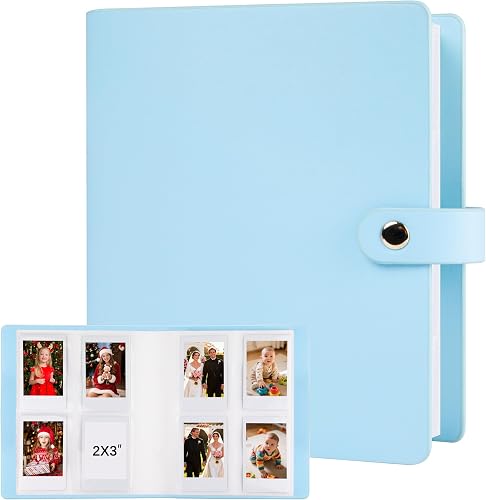
Instant prints are physical, which is the whole point, so give them somewhere to go. A case protects the camera lens and the film door in a bag. An album keeps prints flat and safe from scratches, and a string of photo clips puts your favorites on a wall where people actually see them. None of this is expensive, and all of it gets more use than you'd expect.
Best starter
Fujifilm
Instax Mini 12 Camera Case
$13.89 as of Nov 12, 2026
★★★★★Our rating· In Stock
Fujifilm's own fitted case for the Mini 12, with a shoulder strap so the camera actually comes with you. It protects the lens and film door from scuffs in a bag. About $14. 370+ reviews at 4.6 stars.
A linen-covered album with 320 slip-in pockets sized for Instax Mini prints. Enough room for a couple of years of shooting, for about the price of a pack of film. About $13. 2,700+ reviews at 4.8 stars.
A strand of warm LED lights with 60 clear clips for hanging prints. The cheapest way to turn a pile of instant photos into something on your wall. Works with any print size. About $10. 11,900+ reviews at 4.4 stars.
Instant film punishes guessing. Every bad frame costs a dollar or two, so the fastest way to get good is to shoot each pack with a purpose. Here's a five-pack plan that teaches you light, distance and composition without wasting a fortune.
Instant photography feels simple: point, press, wait. The catch is that film is unforgiving and every frame costs money. Most beginners burn their first pack on washed-out sunlight and murky living rooms, then decide the camera is bad. It isn’t. Light is just doing what light does.
Shoot your first five packs with a plan, and by the end you’ll know what your camera can and can’t do.
Pack 1: Easy light only
Shoot all ten frames outdoors, in open shade or on a bright overcast day. That’s the light instant film loves: even, soft and not too strong. Put the sun behind you or to one side, never behind your subject.
Stand about four to eight feet from people. Fill the frame with them. A face that looks big in the viewfinder looks small on a credit-card print.
After each shot, set the print face down or in a pocket and leave it alone. Don’t shake it. Instax prints settle in about 90 seconds. Polaroid prints take 10 to 15 minutes to reach full color.
On the Instax Mini 12, twisting the lens past the on position switches to close-up mode. Use it for anything closer than about a yard: selfies, food, flowers, a pet’s face. In close-up mode the viewfinder no longer shows exactly what the lens sees, so line your subject up with the small mark the manual describes, and expect to be slightly off the first few times.
For selfies, hold the camera at arm’s length, look at the lens and use the little mirror next to it to check your framing. Shoot two or three, compare, and you’ll learn your arm length fast.
Pack 3: Indoors and at night
Indoor shots fail because instant film needs a lot of light and the flash only reaches a few feet. Rules for this pack:
Get within three to five feet of your subject.
Turn on every light in the room, or stand near a window during the day.
Keep a wall or something light-colored close behind people. A dark background more than a few feet away goes black.
Shoot a party or a dinner this way and you’ll come home with prints people want to keep.
Pack 4: Composition on a tiny print
Now slow down. A Mini print is about 2.4 by 1.8 inches, so busy scenes turn to mush. Pick one subject per frame and get closer than feels natural. Use simple backgrounds: a sky, a wall, a field. Try a few vertical shots of people and a few horizontal shots of places.
Before you press the shutter, ask one question: what is this photo of? If you can’t answer in two words, step closer.
Pack 5: Make it a habit
Take the camera somewhere you’ll want a memory of: a trip, a birthday, a walk with a friend. Shoot the whole pack there. Write the date and place on the bottom margin of the best prints with a fine marker, and put them in an album or on a clip string.
By now you’ll know if you want more. If you keep wishing for bigger prints, look at Instax Wide. If you love the square, soft, vintage look, try a Polaroid Now. If you hate wasting film on misses, a Mini Link printer or Mini Evo lets you choose what to print.
Instax for most people. The cameras are cheaper, the film costs about half as much per shot, and the prints develop faster and more predictably. Choose Polaroid if you specifically love the bigger square print and the softer, vintage color.
Why are my instant photos washed out?
Too much light. Instant film is easily overexposed in bright sun or on beaches and snow. Shoot with the sun behind you or to the side, try open shade, and on cameras with a brightness setting turn it down a step.
Why are my indoor shots so dark?
Instant film needs a lot of light, and the flash only reaches a few feet. Get closer to your subject, turn on room lights, or shoot near a window. A dark background behind a lit subject will always look black.
How long do instant photos last?
Decades if you keep them out of direct sun, heat and humidity. Albums and boxes protect them well. A print pinned in a sunny window will fade noticeably within a year or two.
Does instant film expire?
Yes. Most packs carry a date about 18 months to two years out. Expired film still works but shifts color and contrast. Keeping it in the fridge slows that down.
Can I use Instax Mini film in a Polaroid camera?
No. Every format has its own size and chemistry. Mini cameras take Mini film, Wide take Wide, Square take Square, and Polaroid cameras take i-Type or 600 film. Check the film name against your camera before you buy.
JustBeginning earns commission from affiliate programs. As an Amazon
Associate, we earn from qualifying purchases. This costs you nothing
extra and doesn't change our recommendations.
Prices and availability are accurate as of the date and time
shown and can change; the price on Amazon when you buy is what
applies.
How this works.


 Best starter