Jumping spiders are the easiest spider to love: big eyes, curious, active by day and happy in a small acrylic enclosure. Here's how to choose between Phidippus regius and P. audax, why a captive-bred sling is the best start, what enclosure and decor to buy, how to mist and feed, and how to keep a fruit fly culture going.
By Colin B. · Published November 18, 2026 · Last reviewed November 18, 2026
A CourtyardAid enclosure, coco fiber, a cork flat and fake plants, tweezers, a mister and a fruit fly culture kit come to about $100, plus $20 to $60 for a captive-bred sling from a breeder. Skip the culture kit and buy feeder flies locally to start for about $60.
We earn commission when you buy through links on this page, including
Amazon. See our affiliate disclosure.
Price tiers and budget totals shown above are editorial estimates;
actual prices vary.
At a glance
Our top pick in each category
The fastest path through this guide — each best-starter pick by category.
Scroll for the budget and upgrade alternatives.
Start with a regal or bold jumper. Phidippus regius (regal jumper) is the biggest US species and very calm, with lots of color forms. Phidippus audax (bold jumper) is smaller, hardier and common across the US. Both are easy. Females usually live 1.5 to 2 years; males live about a year.
Buy a captive-bred sling from a breeder. Captive-bred spiders don't carry wild parasites and are used to being fed in an enclosure. Buy small (about the 4th to 6th instar) and you get the whole life span. Avoid buying from live-animal listings on big marketplaces; buy the spider from a breeder and the supplies anywhere.
Jumpers live high, not low. They build a silk hammock near the top of the enclosure, so ventilation and a door that doesn't tear the web matter more than floor space. A small, tall acrylic enclosure with side vents works better than a big glass tank.
Watch winter shipping. Slings are small and get cold in transit. Most breeders use heat packs and won't ship below about 40 degrees F, so plan purchases around the weather or pay for overnight shipping.
Jumping spiders live near the top of their enclosure, where they spin a silk hammock to sleep and molt. That means height and ventilation matter more than floor space, and the door should open from the front or side so you don't tear the hammock every time. Small acrylic enclosures around 4 by 4 by 8 inches suit slings and adults of most species; big regal females are happy in about 6 by 6 by 9. A too-large enclosure makes it hard for a small spider to find food.
A ready-to-use acrylic enclosure with 287 small vent holes across all four sides and a magnetic side-opening door, so feeding and misting never disturb the hammock up top. About $14, 4.6 stars from 352 ratings.
A larger 6 by 6 by 9 inch acrylic enclosure with magnetic doors and micro ventilation, roomy enough for an adult female regal jumper with decor. About $33, 4.5 stars from 403 ratings.
No Assembly 3mm Acrylic Jumping Spider Enclosure, 6x3x3 Inch
$11.99 as of Nov 18, 2026
★★★★☆Our rating· In Stock
A small, thick acrylic enclosure with vents on the top and sides, a good size for a young sling or a smaller bold jumper. About $12, 4.4 stars from 40 ratings.
Jumpers don't burrow, so the substrate is mostly there to hold a little moisture and look natural. An inch of coco fiber works well. What matters more is climbing decor: cork bark, twigs and fake plants that reach the top corners, where the spider will anchor its hammock. Fake plants are easier than live ones in a small enclosure; live plants bring mold, mites and gnats.
Best starter
ZeeDix
Coconut Fiber Substrate, 2 Pack Bricks
$12.99 as of Nov 18, 2026
★★★★★Our rating· In Stock
Compressed coco fiber bricks that expand with water. One brick is enough for many small enclosures, and coco holds light humidity without staying soggy. About $13, 4.6 stars from 1,875 ratings.
Small fake plants with weighted bases that give a jumper something to climb and hide behind. Easy to rinse and no mold. About $8, 4.4 stars from 605 ratings.
Natural cork pieces to lean against a wall as a climbing surface and hiding spot. Cork doesn't rot in a humid enclosure. About $19, 4.4 stars from 423 ratings.
Slings eat flightless fruit flies. The small melanogaster flies suit tiny slings; the larger hydei flies suit bigger juveniles. Keeping a culture going saves trips to the pet store. Adults move on to house flies, blue bottle flies and small crickets, which are best bought live from a pet store or breeder. Tweezers help with feeding, and a fine mister gives the spider water droplets to drink.
Best starter
Josh's Frogs
Melanogaster Fruit Fly Culture Kit
$42.99 as of Nov 18, 2026
★★★★★Our rating· In Stock
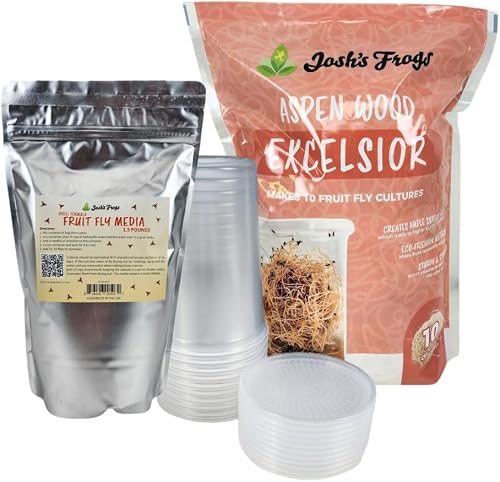
Everything to start 10 cultures of small flightless fruit flies: media, excelsior, 32 oz cups and vented lids. You add starter flies, and each culture feeds a sling for weeks. Sold by Josh's Frogs. About $43, 4.4 stars from 666 ratings.
The same kit with media made for hydei, the larger fruit fly. Better once your spider is past the smallest sling stages. Sold by Josh's Frogs. About $44, 4.4 stars from 666 ratings.
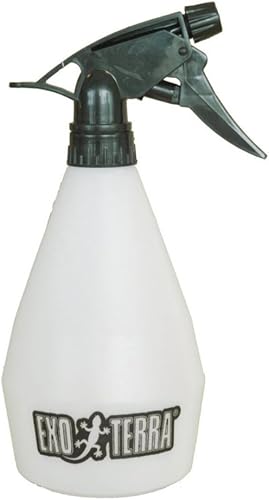
A fine-mist bottle for spraying one wall of the enclosure every other day. Jumpers drink the droplets. Sold by Amazon. About $9, 4.5 stars from 588 ratings.
A jumping spider is a small pet with a big personality. The first month is about getting the basics right: a well-ventilated enclosure, steady feeding, light misting and knowing when to leave it alone. Here's a week-by-week plan from setup to your spider's first molt.
Jumping spiders are active by day and watch you back. Most care is simple. The mistakes beginners make are usually too much: too much food, too much water, too much handling.
Week 1: Setup and arrival
Set up the enclosure before the spider ships. Add an inch of coco fiber substrate, a piece of cork bark, and a few fake plants and twigs reaching the top. Jumpers build a silk hammock in a high corner, so give them something to anchor it to.
When the spider arrives, open the shipping vial inside the enclosure and let it walk out. Close the door and leave it alone for a day.
Offer 2 to 3 fruit flies to a sling every two or three days. Larger juveniles and adults eat one house fly or blue bottle fly every few days. A round belly means it’s full. A spider that refuses food for a while is usually fine, especially if it’s building a thick web.
Remove crickets or mealworms that aren’t eaten within a day. Some feeders can bite a molting spider.
Mist one wall of the enclosure lightly every other day. The spider drinks the droplets. Don’t soak the substrate. Wet enclosures with poor airflow grow mold.
Handle only when the spider is calm, and let it walk from hand to hand over a table or bed. Never grab it. Many keepers let the spider climb onto a hand on its own.
Spiders grow by molting. Before a molt, they stop eating and seal themselves into a thick web hammock for a few days to over a week. Don’t feed, don’t open the hammock, and keep misting lightly. After the molt, wait a few days before feeding while the new exoskeleton hardens. You’ll see the old skin left in the web.
No. Jumping spiders are not dangerous to people. A bite is rare and feels like a mild pinch or bee sting at most. They're shy and usually jump away or onto your hand out of curiosity.
How long do jumping spiders live?
Most females live about 1.5 to 2 years, and males about a year. Buying a young sling from a breeder gives you most of the spider's life. Mature females may lay egg sacs even without a male; those eggs won't hatch.
What do jumping spiders eat?
Small live insects. Slings eat fruit flies. Juveniles and adults eat house flies, blue bottle flies and small crickets. Feed prey smaller than the spider's body, and remove uneaten crickets, which can hurt a molting spider.
My spider stopped eating and made a web hammock. Is it sick?
Probably not. That's what a spider does before it molts. Leave it alone, don't add food, keep misting lightly and don't open the hammock. It can take a week or more, and the spider may stay hidden afterward while it hardens.
Top-opening or front-opening enclosure?
Front or side opening is better. Jumpers build their hammock near the top, so lifting a top lid tears it every time. Magnetic front-opening acrylic enclosures are the popular choice.
JustBeginning earns commission from affiliate programs. As an Amazon
Associate, we earn from qualifying purchases. This costs you nothing
extra and doesn't change our recommendations.
Prices and availability are accurate as of the date and time
shown and can change; the price on Amazon when you buy is what
applies.
How this works.
Our top pickPre-Assembled Jumping Spider Enclosure, All-Side Ventilation


 Best starter