Tarantulas are quiet, low-maintenance pets that eat once a week or so and can live for decades. The setup is simple and cheap. The mistakes beginners make are the wrong species, too tall an enclosure, and fussing too much. Here's which species to start with, terrestrial vs arboreal setups, substrate, feeding, molting and where to buy.
By Colin B. · Published November 12, 2026 · Last reviewed November 12, 2026
A terrestrial enclosure, a brick of coco fiber, a cork bark hide, a water dish and tongs come to about $75, before the tarantula itself (often $20 to $80 for a juvenile). Add a care book, a thermometer and a small sling enclosure and you're near $125.
We earn commission when you buy through links on this page, including
Amazon. See our affiliate disclosure.
Price tiers and budget totals shown above are editorial estimates;
actual prices vary.
At a glance
Our top pick in each category
The fastest path through this guide — each best-starter pick by category.
Scroll for the budget and upgrade alternatives.
Start with a slow, calm terrestrial species. Curly hair (Tliltocatl albopilosus), Mexican redknee (Brachypelma hamorii) and Brazilian black (Grammostola pulchra) are classic first tarantulas: hardy, slow-moving and forgiving of small mistakes. Avoid fast, defensive Old World species and arboreals until you have experience.
Think wide, not tall, for terrestrials. A ground-dwelling tarantula can be badly hurt by a fall, so the enclosure should be low, with deep substrate and no more than about one legspan of open height above it. Floor space of roughly three times the spider's legspan in length is plenty.
Buy from a breeder or an invertebrate show. Breeders sell healthy, correctly identified spiders, often as inexpensive slings (spiderlings) that grow up with you. Females can live 20 years or more; males live a few years and mature quickly, so ask the seller about sex if lifespan matters to you.
The gear
What you actually need
Enclosures
Tarantulas don't need big enclosures. They need the right shape and secure ventilation. Terrestrial species want wide, low tanks with deep substrate. Arboreal species want tall enclosures with a vertical cork piece to climb and web on. Slings live happily in small deli cups or mini enclosures until they're a few inches across. A lid that locks is essential: tarantulas are surprisingly good escape artists.
Best starter
Clioran
Escape Proof Magnetic Lid Tarantula Enclosure, Large
$29.99 as of Nov 12, 2026
★★★★★Our rating· In Stock
A clear, lightweight enclosure with a magnetic lid that seals securely and side vents for airflow. Its low, wide shape suits terrestrial beginner species, and the clear sides make it easy to watch your spider without disturbing it. About $30. 510+ reviews at 4.6 stars.
Small Acrylic Tarantula Enclosure, 8 x 4 x 4 Inches
$16.99 as of Nov 12, 2026
★★★★☆Our rating· In Stock
A small acrylic enclosure with a magnetic latch, sized for slings and juveniles under a few inches. Small spiders find food more easily in a small space. You'll rehouse into a larger enclosure as it grows. About $17. 480+ reviews at 4.3 stars.
A small, tall glass terrarium with front-opening doors and a mesh top. Made for arboreal tarantulas like Avicularia and Caribena, which need height and a vertical cork tube to climb. Front doors mean you don't reach in over the spider. About $77. 3,200+ reviews at 4.6 stars.
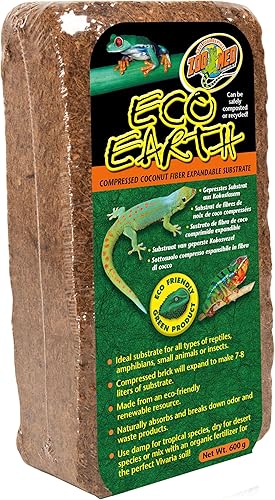
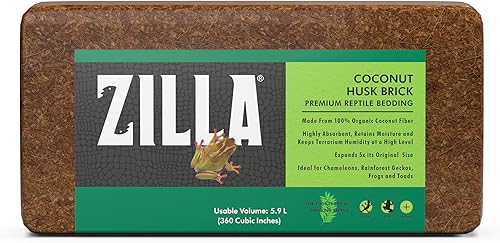
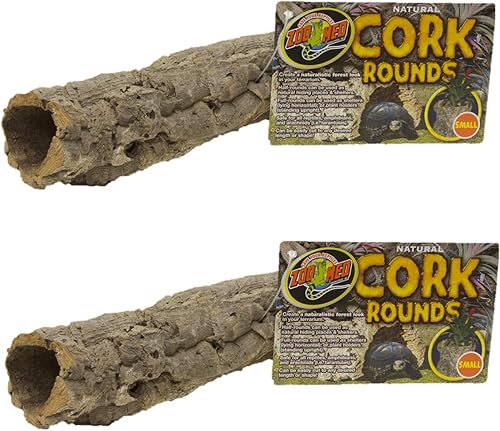
Substrate is the ground your tarantula lives on. Coconut fiber is the standard: it holds burrows, stays clean and keeps mild humidity. Terrestrials want several inches, enough to dig and to cushion a fall. Every tarantula should have a hide, such as a half round of cork bark, and a shallow water dish kept full at all times, even for species that like it dry.
Three compressed bricks of coconut fiber. Soak one in warm water and it expands into a large pile of loose, clean substrate. Holds burrows and moisture well and fills several tarantula enclosures. About $27. 320+ reviews at 4.6 stars.
A cheap single brick of coconut fiber, enough for one small or medium enclosure. Good for slings or a single first tarantula. Sold by Amazon. About $7. 4,100+ reviews at 4.7 stars.
A hollow round of real cork bark. Half-bury it on its side as a burrow entrance for terrestrials, or stand it upright for arboreals to climb and web. Natural, mold-resistant and the hide most keepers use. About $22. 1,100+ reviews at 4.3 stars.
A shallow, heavy water dish with a textured surface that won't tip over. Sized for tarantula enclosures. Keep it full and refresh it every few days. Sold by Amazon. About $6. 180 reviews at 4.6 stars.
Tarantulas eat live insects such as crickets, roaches or mealworms. Use long tongs so your hands stay out of the enclosure and you can remove uneaten prey after a day. Most beginner species are fine at normal room temperature, roughly 70 to 80F. A cheap thermometer and hygrometer tells you if a room gets too cold in winter or too dry.
Best starter
Lasnten
Reptile Feeding Tongs, 10 and 10.5 Inch, 2 Pack
$8.49 as of Nov 12, 2026
★★★★★Our rating· In Stock
Two long stainless tongs for dropping prey in and taking out leftovers, molts and debris without putting your hand near the spider. About $8. 1,000+ reviews at 4.7 stars.
Two small digital temperature and humidity readers. Put one near your tarantulas to keep an eye on room conditions through the seasons. About $6. 15,000+ reviews at 4.4 stars.
Tarantula advice online ranges from excellent to dangerous. A good book gives you a reliable foundation on biology, molting, feeding and housing, so you can judge what you read in forums. The two below cover care in depth and help you identify species, which matters because many are sold under the wrong name.
Best starter
Stanley A. Schultz
The Tarantula Keeper's Guide
$24.95 as of Nov 12, 2026
★★★★★Our rating· In Stock
The classic, comprehensive reference on tarantula care, housing, feeding, molting and breeding, written by long-time keepers. Many experienced hobbyists still recommend it as the first book to own. About $25. 890 reviews at 4.7 stars.
The Tarantula Gallery: Image Reference and Species Accounts
$24.95 as of Nov 12, 2026
★★★★☆Our rating· In Stock
A photographic guide to hundreds of species with notes on behavior and care. Helps you identify what you're buying and pick your next species. About $25. 110+ reviews at 4.7 stars.
The hardest part of keeping a tarantula is leaving it alone. The first two months teach you its rhythm: settling in, feeding, burrowing and, sooner or later, a molt. Here's what to expect week by week, and what not to worry about.
New tarantula keepers worry about everything: a spider that won’t eat, one that sits in the same spot for days, one lying on its back. Nearly all of it is normal. Here’s what the first two months usually look like.
Week 1: Set up and settle in
Set the enclosure up before your tarantula arrives. Moisten coco fiber until it’s damp but not wet (it shouldn’t drip when squeezed) and pack it down a few inches deep for a terrestrial species. Add a cork bark hide, half buried, and a full shallow water dish.
When the spider arrives, coax it gently out of its shipping container into the new enclosure, ideally inside a bathtub or large tub in case it bolts. Then close the lid and leave it alone. It may hide, pace the walls or sit motionless for days. That’s normal stress behavior and fades as it settles.
After four or five days, offer one live prey item no bigger than the tarantula’s body, such as a cricket or a small roach. Drop it in with tongs near the spider and watch. If it hasn’t been eaten in 24 hours, take it out. A loose cricket can injure a tarantula, especially during a molt.
If your tarantula refuses food, don’t worry. Try again in a week. Many tarantulas skip meals for weeks, particularly after moving or before molting.
Weeks 4 to 6: Reading behavior
You’ll start to learn its habits. Many terrestrials dig a burrow or web around the hide entrance. Some sit out in the open at night. Webbing over the burrow entrance often means the spider is getting ready to molt.
Keep the routine light. Refill the water dish every few days, spot-clean old prey remains (called boluses) with tongs, and lightly moisten one corner of the substrate if the species likes humidity. That’s it. Avoid poking, prodding or rearranging the enclosure.
Weeks 6 to 8: Premolt and molting
Sooner or later your tarantula will stop eating, its abdomen may darken or look shiny, and it may seal itself away. This is premolt. Remove any prey and stop feeding.
When it molts, it flips onto its back and slowly pulls itself out of its old skin over several hours. Don’t touch it or disturb the enclosure. Afterward it will be pale and soft. Wait about a week before feeding, because its fangs need time to harden.
You can remove the old molt with tongs once the spider has moved away from it. Molts are a great way to sex a tarantula, and many keepers save them.
If your tarantula has grown past its enclosure, rehouse it into a larger one, keeping it terrestrial-low with deep substrate. Then settle into the long, quiet rhythm that makes tarantulas such good pets: feed every week or two, refill water, and enjoy watching.
Need supplies? Our tarantula keeping gear guide covers enclosures, substrate, hides and the books worth reading.
Save your money
What you don't need yet
Beginners get pressured to buy a lot of stuff that doesn't help them play
better. Here's what we'd skip on day one.
A heat lamp or heat mat — Most beginner species do well at normal room temperature. Heat mats can dry out or overheat burrowing spiders.
A large glass tank — Big tanks make it hard for a tarantula to find food and for you to find the tarantula. Size the enclosure to the spider.
Live plants — Nice to look at, but they need light and water that most tarantula setups don't. Start with substrate, cork and a dish.
A misting system — Overflowing the water dish now and then gives humid-loving species what they need.
First week
Your first seven days
A short, real plan to get from gear-on-doorstep to actually playing.
Choose a calm terrestrial beginner species and find a reputable breeder or invertebrate show. · Learn
Set up the enclosure before the spider arrives: deep coco fiber, a cork hide and a water dish. · Buy
Beginner species are not dangerous to healthy people. A bite feels like a bee sting. New World species also flick irritating hairs from their abdomen when stressed, which can make skin itch and is dangerous in eyes. Use tongs, wash your hands after maintenance, and avoid handling.
Can I handle my tarantula?
It's best not to. Tarantulas don't enjoy it, and a fall from even a few feet can rupture a heavy-bodied spider's abdomen. Watch them instead. If you must move one, coax it into a cup.
How often do tarantulas eat?
Slings eat a small prey item once or twice a week. Adults typically eat every one to two weeks and can go weeks or months without food, especially before a molt. Always remove uneaten prey within a day.
My tarantula is on its back. Is it dying?
Almost certainly it's molting. Tarantulas flip over to shed their skin. Don't touch it or disturb the enclosure. After the molt, wait about a week before feeding, because the new fangs are soft.
How long do tarantulas live?
Females of many beginner species live 15 to 30 years. Males usually live a few years and die not long after reaching maturity. If you want a long-term pet, ask for a confirmed female.
JustBeginning earns commission from affiliate programs. As an Amazon
Associate, we earn from qualifying purchases. This costs you nothing
extra and doesn't change our recommendations.
Prices and availability are accurate as of the date and time
shown and can change; the price on Amazon when you buy is what
applies.
How this works.
Our top pickEscape Proof Magnetic Lid Tarantula Enclosure, Large

 Best starter