Minifigures are the heart of LEGO, tiny and expressive, and surprisingly deep as a collecting hobby. You can start with what you already own. The real question is what to do once the collection outgrows a shoebox. This guide covers display, organization, and lighting so your figs look as good as they deserve.
By Colin B. · Published June 9, 2026 · Last reviewed June 9, 2026
You likely already have minifigures. The budget here is for display, organization, and lighting, not the figs themselves.
We earn commission on qualifying Amazon purchases — see our
affiliate disclosure.
Price tiers and budget totals shown above are editorial estimates;
actual Amazon prices vary.
At a glance
Our top pick in each category
The fastest path through this guide — each best-starter pick by category.
Scroll for the budget and upgrade alternatives.
Minifigures vary enormously in value. A common Series figure costs $5-6 at retail. A retired or rare exclusive can run $50-200 loose, or over $400 sealed in original packaging. Before you build out a display for 200 figures, know what you actually have. Ten minutes on BrickLink tells you.
BrickLink (bricklink.com) is the collector's free, essential tool. It is a marketplace and price database in one. Look up any minifigure by set number or character name and see real sold prices from recent transactions. More reliable than any printed price guide.
Condition matters for resale value, not for display enjoyment. A figure with paint rubs looks fine on a shelf but loses 30-50% of resale value. If you have pieces you think are valuable, handle them by the torso block, not by accessories or printed surfaces.
The display case is where minifigure collecting becomes a real hobby. Without one, your collection lives in a bag or box and nobody sees it. With one, it becomes something you actually tend to. Key decisions: wall-mounted vs. countertop, and how many figures you expect to have in six months. Collectors almost universally wish they had bought bigger. A 50-figure case fills up in three months for an active collector.
Display Cases — what's the difference?
A few common shapes, each making a different trade.
Wall-mounted case
Maximum density per square foot, requires drilling into wall studs.
Installation
Studs required
Capacity
50-200 figures
Access
Open front or glass doors
Best for Dedicated display walls, permanent collections
Best for prized single figures, not suited for bulk display.
Installation
None
Capacity
1-5 figures
Access
Open
Best for Trophy pieces, rare figures that deserve their own spot
Tradeoff Expensive per-figure cost if you have dozens
Best starter
NIUBEE
Acrylic Display Case for Mini Figures
$$
★★★★★Our rating
Clear acrylic construction, holds 60+ minifigures in a clean grid, and works either wall-mounted or on a shelf. This is the one most collectors buy first because it is versatile enough to not regret. The raised back edge keeps figures from falling behind the display.
What we like
Transparent from all angles, no visual interference with figures
Mounts to wall or stands on shelf without separate hardware
60+ figure capacity at a fair price point
What to know
Acrylic scratches easily, microfiber only when cleaning
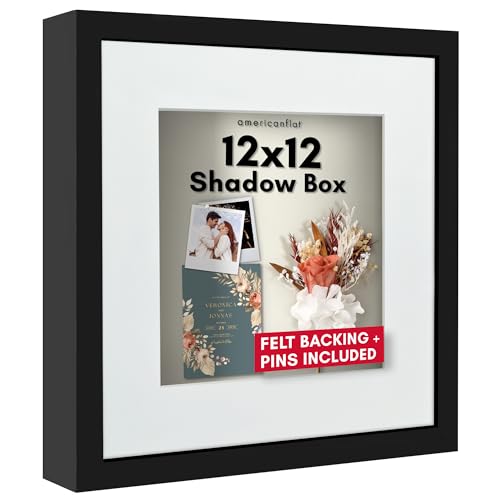
A shadow box is a deep picture frame with a glass front, and it is the cheapest proper display for 20-30 figures. Not marketed as a LEGO product, but collectors have used them for years. Add adhesive foam strips and the figures hold their positions without putty.
What we like
Under $20, the cheapest real display option that protects figures
Glass front is more scratch-resistant than acrylic
What to know
Figures need adhesive foam strips or putty to stay upright
Limited depth, tall accessories may not fit with glass closed
5-Tier Wall-Mounted Display Cabinet with Glass Doors
$$$
★★★★☆Our rating
A glass-door wall cabinet is the real showcase. Dust-proof, lockable if you have valuable pieces, and looks like actual furniture rather than a hobby shelf. The adjustable shelves accommodate figures of any height, and the smoked glass limits UV fading. Worth buying once you know the hobby is sticking.
What we like
Glass doors seal out dust, protecting figures during display
Adjustable shelves fit minifigures of any height or accessory
Lockable latch useful if you keep valuable or rare figures inside
What to know
Requires wall studs, not an option for all apartments
Higher price ($80-120), commit to the hobby before buying
The display case shows off your best figures. Everything else needs a home too: duplicates, parts, figs you are sorting, and trading stock. A good organizer with clear lids and labeled compartments means you spend time enjoying the collection rather than hunting through a bin for a specific hairpiece. Sort by theme, series, or character, whichever matches how your brain works.
Best starter
Akro-Mils
62-Compartment Portable Craft Organizer
$49.51 as of Jun 22, 2026
★★★★★Our rating· Only 2 left in stock (more on the way).
The LEGO community defaults to Akro-Mils boxes for figure sorting. This model has 62 click-close compartments, a clear lid so you see contents without opening, and it stacks so a dozen units live on one closet shelf without tipping. Most collectors own three of these before they buy anything else.
What we like
62 compartments handles an entire CMF series across two boxes
Clear lid lets you see contents without opening every time
Stackable design stores neatly on a standard closet shelf
What to know
Tight fit for helmets, wings, or bulky accessories
Cheap latches wear out after a year or two of daily use
Under $10 and well-sized for minifigures. Adjustable dividers let each compartment hold 6-8 figures upright. Not as organized as the Akro-Mils, but the right answer for a first organizer before your collection demands real sorting infrastructure.
What we like
Under $10, the lowest-cost real organizer worth buying
Adjustable dividers fit figures of different widths
What to know
Few compartments, you will need multiple boxes quickly
Shallow lid makes stacking with figures inside risky
When you are past sorting by shoebox, a pull-drawer cabinet is the right move. Each narrow drawer holds 20-30 figures laid flat or 10-15 upright, labeled by theme, series, or character. Serious collectors own one of these and a stack of organizer boxes, one for display-ready figs and one for working stock.
What we like
20 labeled drawers let you pull any theme or series instantly
Desktop footprint smaller than equivalent box storage
Drawers lock closed when tilted, no avalanche when you open one
What to know
Shallow drawers limit taller accessories like wizard hats or wings
LED lighting is the highest-impact upgrade for an existing display. A shelf of figures under normal room light looks like storage. The same shelf with a warm LED strip behind it looks intentional. The difference is $15-30 and 20 minutes of installation. Warm white (2700K) works better than RGB for most minifigure collections.
Best starter
Govee
Smart LED Strip Lights 6.56ft
$
★★★★★Our rating
Govee's LED strips are the go-to for display collectors: bright enough to light a 2-foot display shelf, dimmable via the app, and the adhesive backing holds for years. Cut to length, stick behind the figure row, and done. Warm white at 2700K is the right setting for most displays.
What we like
App-controlled brightness and color temperature via Bluetooth
Adhesive backing stays on painted shelves and glass for years
2M covers two standard display shelves in one strip
What to know
Requires a USB port near your display, plan cable routing first
RGB color mode is fun but warm white is better for figure display
When figures are in a closed glass cabinet, strip lighting won't reach the shelves. Puck lights are the answer: press-on, battery or USB, and aimed directly at each shelf. A 6-pack covers a tall cabinet completely and delivers more even coverage per shelf than an external strip can reach.
What we like
No cable routing required, battery or USB powered
Directional beam lights individual shelves without spillover
What to know
Battery version burns through AA cells faster than expected
Visible hot spots on longer shelves, less even than a strip
Flat shelves make every figure the same height and you can only see the front row. Risers give depth to a display and let you see the entire group. Individual figure stands solve a different problem: keeping minifigures from falling face-first every time someone walks past. Both are cheap and make an immediate visible difference.
Best starter
Super Z Outlet
Clear Acrylic 3-Tier Display Riser Set
$
★★★★★Our rating
Three heights in one set turns a flat row of 20 figures into a layered display where you can actually see all of them from the front. Clear acrylic is invisible in photos and behind glass cases, so figures appear to float at different heights. Works equally well inside cases or on open shelves.
What we like
Three tiers make every figure in a group visible from the front
Clear acrylic disappears in photos and behind glass
Adjustable arrangement fits different shelf and case depths
What to know
Fixed tier heights may not suit very tall figures or large hats
LEGO-compatible pegs that grip the figure's foot the same way a LEGO stud does, holding it at whatever pose angle you choose. Ten dollars for 50 is the right math, and most collectors end up owning several hundred of them. The real solution to figures falling over.
What we like
LEGO-stud grip holds figures at any pose angle without glue
50-pack covers a medium-sized display in one order
What to know
Cheap off-brand versions stress foot sockets over time
Not compatible with Duplo or non-standard foot plate figures
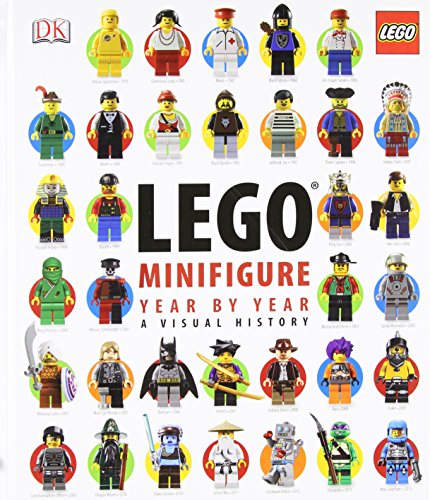
LEGO has produced over 10,000 unique minifigures across 60 years. Knowing what you have, what it is worth, and how to protect it is part of the hobby. BrickLink (free, online) handles price lookups and identification. A physical reference book is useful for browsing offline and understanding the history behind your collection.
Best starter
DK Publishing
LEGO Minifigure Year by Year: A Visual History
$$
★★★★★Our rating
The definitive physical catalog of every minifigure from 1978 through its publication year, organized chronologically. Great for identifying mystery figures from older sets and understanding which eras produce the rarest designs. This is the reference every serious collector keeps on the shelf next to the display.
What we like
Covers every minifigure through publication with set references
Large-format photos make identifying mystery figures genuinely useful
Chronological layout helps date figure design eras at a glance
What to know
Not updated post-publication, supplement with BrickLink for new figs
Not a price guide, use BrickLink Completed Orders for values
Serious collectors store individual figures in small clear bags, especially valuable or rare pieces. A 3x4 bag fits one standard minifigure with accessories, protects against dust and humidity, and lets you see the figure without opening anything. Buy 100 at a time; they go fast once you start properly organizing.
What we like
3x4 size fits one standard minifigure with room for accessories
Resealable closure protects against dust without permanent sealing
What to know
Not for display, only for protected storage and trading stock
Bags yellow over time in high UV or very humid conditions
Small acrylic nameplate holders that stand in front of a figure or group. Print a label with the figure name, series, and year, and every displayed piece becomes a proper exhibit. Overkill for most beginner displays, but once you start showing the collection to guests, these make a real impression.
What we like
Turns any shelf display into a properly labeled exhibit
10-pack covers a full themed group display in one order
What to know
Requires printing labels, adds setup time before display is ready
LEGO has made over 10,000 unique minifigures since 1978. Most collectors start with a shoebox of mixed figs and end up with a system. Here is how the first month actually goes.
LEGO minifigures are the smallest thing in a toy collection and often the most consequential. A single figure can be worth $5 or $500 depending on the year it was made, which set it came from, and whether all of its original accessories are present. Most collectors do not know any of this on day one. They just have a pile of figs they like.
This is what the first month looks like, from the shoebox to the display.
Week 1: Figure out what you have
The most common mistake new collectors make is skipping the inventory. They buy a display case, fill it with whatever looks good, and spend the next six months rearranging it because they don’t know what they’re actually working with.
Before you spend anything on display, pull everything out and spread it on a table.
Sort first by completeness: figures with all their original accessories on one side, figures missing pieces on the other. A minifigure with a missing weapon or hat is worth meaningfully less if you plan to resell, though it looks fine on a shelf.
Then sort by rough era. The older the figure, the simpler the printing and the color range. Pre-2000 figures have basic smiley faces and single-color torsos. Post-2010 figures have detailed face prints, dual-sided heads, and sometimes glow-in-the-dark or printed legs. If you have a mix, the newer-looking ones are probably post-2010.
At this point you will have two piles: display candidates and sorting stock. The display candidates are the ones you find interesting enough to look at every day. The sorting stock needs a home too, but not on a shelf.
Order a compartment organizer this week. Sort your sorting stock by theme (City, Star Wars, fantasy, etc.) or by CMF series if you can identify them. Do not worry about getting it perfectly right. The point is to stop having a pile.
Week 2: BrickLink and what your collection is worth
By week two you should have your figures roughly sorted and at least one that makes you wonder what it is or what it is worth. This is when BrickLink (bricklink.com) becomes essential.
BrickLink catalogs every minifigure LEGO has ever made. Search by character name, theme, or distinctive accessory (the yellow spaceman, the medieval knight with a red plume) and you will find it. The catalog entry shows every figure ever produced with that identifier, the sets it appeared in, and the years of release.
The price function is what makes BrickLink genuinely powerful. Click “Price Guide” on any figure and you see the range: what sellers are asking, and more importantly, what buyers have actually paid (Completed Orders). The completed side is the real number. Asking prices mean nothing.
A few things you will learn in week two: most minifigures are worth $2-8 loose. CMF figures from discontinued series are worth more, sometimes $15-40 each for popular characters. First-generation themed figures (original Star Wars 1999 release, first Castle figs from the late 1970s) can be worth $50-200 or more loose if complete. Do not assume age equals value, because LEGO re-releases popular characters constantly. An Obi-Wan Kenobi figure might be from 1999 or from 2023, and that distinction matters enormously.
Run your most interesting-looking five figures through BrickLink. You will come away with a realistic picture of what you have.
Week 3: Building your first real display
Most collectors spend the first two weeks in storage mode. Week three is when it becomes a display hobby.
The most important display decision you will make in the first month is scale. How many figures do you actually want to see every day? A focused display of 20 or 30 carefully chosen figs looks intentional and impressive. A cramped display of every figure you own looks like a storage problem.
Pick your best 20-30 for the first display. Use the others as trading stock or hold them in the organizer until you have a use for them.
The display case you pick should match where you want to put it. Open shelves need risers to show all three rows. Closed glass-door cabinets protect from dust and look more formal. Acrylic countertop cases are portable and require no installation. All three work. The mistake is buying a 50-figure case when you only have 20 display-worthy figures. Buy what you need now, then upgrade.
Add individual figure stands once you have your display arrangement. They are LEGO-compatible pegs that grip the foot the same way a LEGO stud does. Without them, figures tip forward under any vibration. With them, every figure stays exactly where you put it.
Once the display is set up, add lighting. A warm LED strip behind the figure row makes the difference between a shelf and a showcase. This sounds like marketing language and it is not. The visual difference is immediate and costs $15.
Week 4: What you are actually collecting
By week four, most new collectors have realized they are not just collecting minifigures generally. They are collecting something specific: all the Classic Space figures, every CMF Series character, a complete run of a particular theme, or figures that match a specific aesthetic.
This focus is what separates a collection from a pile. It also makes the hobby cheaper, because you stop buying randomly and start buying deliberately.
A few common focuses for new collectors:
CMF series collecting is the most structured. LEGO releases a new series of 12-16 blind-bag figures every few months, and completionists collect all of them. Current-series figures cost $5-6 at retail and go up after retirement. This is the approachable entry point for most people.
Theme completing means owning one version of every figure from a particular LEGO universe (Ninjago, Harry Potter, Star Wars). These can get expensive for licensed themes because the figure roster grows every year. Older unlicensed themes (Castle, Pirates, Space) are more manageable and often cheaper.
Era collecting focuses on a specific decade: the simple 1980s figs, the explosion of detail in the 2000s, or the current hyper-detailed era. Many collectors who grew up with a specific generation of LEGO gravitate here naturally.
Investment collecting treats minifigures like stocks, buying sealed CMF packs and sets for long-term resale. This is a legitimate strategy for some people and a money sink for others. Do not start here.
By the end of week four you will know which of these resonates. That is when the real collecting begins.
What happens in month two
Month two looks like month one but faster. You know BrickLink. You have a display. You have a focus.
What changes: you start visiting thrift stores, garage sales, and LEGO swap meets with purpose. You know what you’re looking for. You know what a good price looks like. You find a $2 Star Wars CMF figure at a thrift store and you know it is actually worth $18. This is one of the genuinely satisfying aspects of the hobby.
You will also make your first trade in month two. The LEGO community is generous and active. Local LEGO user groups (LUGs) hold swap meets. BrickLink and r/legotrade handle online trading. Trading is cheaper than buying retail and gets you figures you actually want in exchange for duplicates you don’t need.
The collection will keep growing. That’s the point.
Save your money
What you don't need yet
Beginners get pressured to buy a lot of stuff that doesn't help them play
better. Here's what we'd skip on day one.
A dedicated LEGO room — Every collector's fantasy, but a glass-door cabinet fits 500 figures and costs $200. A room is not the first problem to solve.
LEGO-branded display cases — LEGO sells themed branded cases at premium prices. Third-party acrylic cases hold more figures per dollar and look just as good.
Collection insurance — Once a collection crosses $5,000 in replacement value, a rider on your homeowner's or renter's policy makes sense. Below that, skip it.
UV-filtering museum glass — Only necessary if your display sits in direct sunlight for 4+ hours daily. Standard acrylic or glass won't fade figures in normal conditions.
First week
Your first seven days
A short, real plan to get from gear-on-doorstep to actually playing.
Pull out every minifigure you own and separate them from their sets. One pass to see what you are actually working with. · Action
Look up your rarest-looking figures on BrickLink to see if any have real value. Check Completed Orders for recent sold prices. · Learn
Photograph your collection for insurance documentation and to share with the community on r/lego. · Action
r/lego · Reddit · active builder and collector community
FAQ
Common questions
How much does it cost to get started in LEGO minifigure collecting?
The figures themselves range from under $1 (common CMF resales) to hundreds for rare retired exclusives. The display and storage gear in this guide runs $40-120. Most new collectors start with what they already own and spend first on display, not more figures.
What is the difference between CMF and set minifigures?
CMF (Collectible Minifigures) are LEGO's blind-bag figure series, sold individually for $5-6 each. They often have unique prints and accessories not found in building sets, which makes them disproportionately popular with collectors. Set figures come packaged inside a building set and are only available by buying the whole thing.
How do I know if my minifigure is valuable?
Check BrickLink (bricklink.com). Search by character name or set number, then look at Completed Orders for real recent sold prices. A common figure sells for $2-5. A retired or rare one can hit $100+. Original accessories and no paint rubs matter significantly to resale value.
Should I keep minifigures in their packaging?
Only if you plan to resell them. Sealed CMF bags or boxed sets gain value over time in good storage. If you want to display and enjoy the collection, open everything. Keeping figures in bags to preserve value is the collector's equivalent of keeping a sports car in the garage.
Can I mix minifigures from different LEGO themes in one display?
Yes, and it is common. City, Marvel, Star Wars, and Castle figures all share the same standard body and scale. Many collectors group by theme for easy organization. Others mix by color palette or era. Both approaches look great.
How do I identify a mystery minifigure with no markings?
BrickLink's catalog has every minifigure ever produced. Search by distinctive accessories, torso print, or head print. The LEGO Minifigure Year by Year book is useful for older figures. Google Lens also identifies well-lit minifigure photos surprisingly reliably.
BrickLink — The essential marketplace and price database for LEGO collectors. Every minifigure ever made is cataloged with real sold prices. Start here for valuations and identification.
Brickset — Comprehensive set and minifigure database with user collections, want lists, and detailed release history. Great for tracking which sets contain specific characters.
r/lego — Large active community of builders and collectors. Good for display inspiration, identification help, and community trading threads.
r/legosets — More focused on set collecting and resale values. Useful for tracking retired set prices and CMF series availability.
Minifigure Price Guide (YouTube) — Multiple channels cover CMF series valuation and rare figure spotting. Good for learning what to look for before a garage sale or thrift store run.
As an Amazon Associate, JustBeginning earns from qualifying purchases.
We may also earn commission from other affiliate programs linked on this
page. Editorial recommendations are independent; we don't choose
products based on commission rates.
Product prices and availability are accurate as of the date and time
indicated and are subject to change. Any price and availability
information shown on Amazon at the time of purchase will apply.
Our top pickNIUBEE Acrylic Display Case for Mini Figures