Beginner's guide

So you're getting into sports memorabilia display

You finally have the signed jersey, the authenticated ball, the memorabilia you paid real money for. Now it's in a box under the bed. Displaying it correctly is half protection, half storytelling. The wrong case fades a signature in three years; the right UV frame preserves it for decades. Here's what you actually need to protect and show off your collection.

By Colin B. · Published June 9, 2026 · Last reviewed June 9, 2026

The 60-second version

If you only buy 3 things to start:

  1. PENNZONI Jersey Display Case Frame — UV-protective jersey shadowbox frame that mounts without pinning through the fabric.
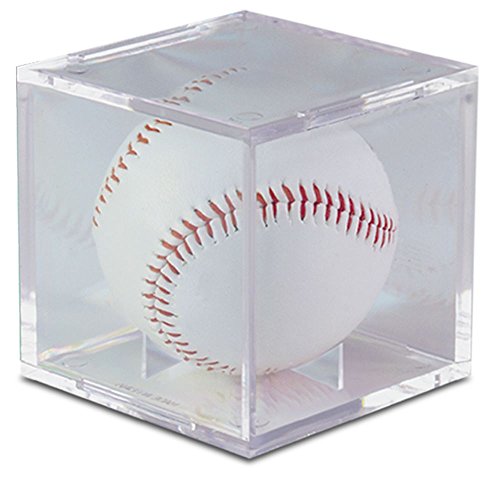
  2. Ultra Pro Baseball Display Case — All-clear acrylic baseball display case with UV block and locking lid.
  3. Mini Football Helmet Display Case UV Acrylic — Acrylic mini helmet case fits all NFL, MLB, and NCAA mini helmets right out of the box.
Budget total
$50
Typical total
$175
A jersey frame plus a ball case runs $50-100. Add lighting and COA storage and you're at $150-200 for a real setup.

We earn commission on qualifying Amazon purchases — see our affiliate disclosure. Price tiers and budget totals shown above are editorial estimates; actual Amazon prices vary.

At a glance

Our top pick in each category

The fastest path through this guide — each best-starter pick by category. Scroll for the budget and upgrade alternatives.

CategoryTop pickPriceWhere to buy
Jersey FramesPENNZONIPENNZONI Jersey Display Case Frame$$ See on Amazon →
Ball Display CasesUltra ProUltra Pro Baseball Display Case$ See on Amazon →
Helmet Stands & CasesCollectible SuppliesMini Football Helmet Display Case UV Acrylic$ See on Amazon →
COA & DocumentationBCWBCW 3-Inch Sports Collectors Binder Album$ See on Amazon →
Display LightingGoveeGovee Smart RGB LED Strip Lights 16.4ft$ See on Amazon →
Before you buy anything

A few things worth knowing first

UV protection is non-negotiable. A Sharpie signature starts fading within 2-3 years in indirect sunlight without UV-blocking glass or acrylic. Every piece you paid real money for needs it.

Know what you're displaying before you order anything. Ball cases come in baseball, football, and basketball sizes. Jersey frames have interior dimensions that matter. Check measurements before buying.

Keep your COAs organized from day one. A Certificate of Authenticity you can find is worth ten times one in a shoebox. Sleeve and binder everything the moment it arrives.

Separate display from storage. Show your five best pieces. Store the rest properly. A well-curated display beats a crammed wall that looks like a storage unit.

The gear

What you actually need

white polo shirt hanging on the wall

Photo by Travis Colbert on Unsplash

Jersey Frames

Signed jerseys deserve better than a craft-store frame. You need UV-blocking glass or acrylic (signatures start fading within a few years of indirect light exposure), a mat that holds the jersey without pins punching through the fabric, and enough interior depth to accommodate the jersey without pressing against the glass. Standard single-jersey frames fit up to adult XL. If you have an authentic player-worn jersey in XL or larger, verify the interior dimensions before ordering. For a jersey you paid real money for, the $60 PENNZONI frame below is the minimum you should spend. The $30 knockoffs have non-UV glass and thin backing that lets the jersey sag.

Jersey Frames — what's the difference?

A few common shapes, each making a different trade.

Single Jersey

Fits one jersey up to adult XL. The standard for most collections.

Interior
~27 x 35"
UV glass
Yes (choose UV)
Price range
$50-80

Best for Single centerpiece jersey, most common memorabilia display

Tradeoff Won't fit authentic XL+ player-worn jerseys without custom ordering

↓ See our pick
Double Jersey

Two jerseys side by side. For rivals, teammates, or home and away pairs.

Interior
~27 x 62"
UV glass
Yes (essential)
Price range
$100-160

Best for Paired stories: two players, a rivalry, or home and away versions

Tradeoff Needs significant wall space and roughly doubles the framing cost

Oversized / Authentic

Fits authentic player-worn jerseys sized XL through 4XL.

Interior
~30 x 40" and up
UV glass
Yes (essential)
Price range
$90-180

Best for Authentic game-worn jerseys, which run larger than retail sizes

Tradeoff Confirm frame brand interior dimensions match your jersey before ordering

PENNZONI Jersey Display Case Frame Best starter
PENNZONI

Jersey Display Case Frame

$47.99 as of Jun 22, 2026

Our rating · In Stock

PENNZONI is the brand serious collectors actually use for entry-level jersey display. UV-blocking glass, foam backing that holds the jersey without pins or staples, and a black-finished frame that looks sharp on any wall. Fits most adult jerseys up to XL. Assembly takes about 20 minutes and the jersey stays centered without tape tricks.

What we like

  • UV-blocking glass on the UV version, standard for the category
  • Foam backing holds jersey without pinning through fabric
  • Black wood frame looks intentional, not like a craft project

What to know

  • UV and non-UV versions look identical; read listing carefully
  • Interior fits up to XL; authentic player-worn jerseys may need oversized
DECOMIL Jersey Frame Display Case Budget pick
DECOMIL

Jersey Frame Display Case

$

Our rating

Under $40 and the UV glass is real, which makes it the legitimate budget option. The backing is thinner than PENNZONI's, which means the jersey can sag slightly at the sides if not mounted carefully. For a jersey you paid under $150 for, this is a reasonable case without overthinking it.

What we like

  • Under $40 with genuine UV-blocking glass included
  • Fits standard adult jerseys up to XL without modification

What to know

  • Thinner backing; jersey can sag if not mounted carefully
  • Frame finish less consistent than PENNZONI across batches
Upgrade pick
DisplayGifts

Jersey Display Case Frame JC01

$$$

Our rating

DisplayGifts JC01 has 667 verified reviews at 4.7 stars for a reason. Solid wood frame, lockable UV-protective acrylic door, felt background, and 31.5 x 24 inch interior that fits most authentic jerseys. When the jersey is your centerpiece piece, this is the frame that matches the investment.

What we like

  • Lockable UV-protective acrylic door, solid wood frame, 4.7 stars from 667 reviews
  • 31.5 x 24 inch interior fits most authentic jerseys including larger sizes
  • Felt background and wall-mount hardware included, no extra purchases needed

What to know

  • $80-100 is overkill for replica jerseys under $200
  • Heavier than budget frames; needs proper wall anchors to mount safely
white polo shirt hanging on the wall

Photo by Travis Colbert on Unsplash

Ball Display Cases

Signed balls (baseballs, footballs, basketballs) are the most common memorabilia item, and they need real cases, not the velvet stand that came with the ball. A proper acrylic case protects the signature from fingerprints and dust, holds the ball at a clean display angle, and has UV filtering to slow fading. The size differences between sports matter: a baseball case won't hold a football, and a basketball case is its own scale entirely. Buy the right size the first time.

Ultra Pro Baseball Display Case Best starter
Ultra Pro

Baseball Display Case

$4.99 as of Jun 22, 2026

Our rating · In Stock

Ultra Pro is the default name in sports collectible protection. Their baseball case is clear acrylic on all sides, UV-filtering, and has a locking lid with a snap closure. The ball sits on an integrated stand at the right viewing angle. You'll see these in every serious collection. Just buy this one.

What we like

  • UV-filtering clear acrylic, the industry standard for ball display
  • Snap-lock lid keeps dust and fingerprints off the signature
  • Integrated stand holds ball at the correct viewing angle

What to know

  • Fits standard baseballs only; won't accommodate softballs
  • Acrylic scratches easier than glass; avoid stacking cases
BCW Baseball Display Stand with Acrylic Case Budget pick
BCW

Baseball Display Stand with Acrylic Case

$

Our rating

BCW makes reliable storage gear for hobbyists on a budget. Their baseball stand is open-top (no lid), which means dust is a factor over time, but at $8-12 it's the right answer if you want to display a less precious ball in a visible spot and swap it out regularly.

What we like

  • Under $12, the cheapest real display option for a signed ball
  • Clear acrylic lets you see the ball and signature from all sides

What to know

  • Open top means dust accumulation over weeks and months
  • No UV filtering; fine for rotation display, not archival storage
Caseworks Football Memorabilia Display Case Specialty pick
Caseworks

Football Memorabilia Display Case

$$

Our rating

Footballs are awkward to display because of their shape. Caseworks makes a purpose-built case with a cradle mount that holds the ball at the right angle, clear acrylic on three sides for wall or shelf display, and UV-filtering panels. Works for full-size and mini footballs with the right insert.

What we like

  • Purpose-built cradle holds footballs at the correct viewing angle
  • UV-filtering panels protect the signature from light exposure
  • Works for full-size and mini footballs with the appropriate insert

What to know

  • $50-70 is significantly more than a baseball case for the same concept
  • Cradle insert must be included; verify before ordering

Helmet Stands & Cases

Mini helmets are one of the most popular signed memorabilia formats. They're affordable, small, and every major team produces them. Display stands range from a simple plastic ring to a full acrylic case with a lockable lid. Full-size helmets need a different scale: a stand strong enough to hold 3-4 lbs without tipping, and a case if you want real UV and dust protection. Know which scale you're working with before you order.

Mini Football Helmet Display Case UV Acrylic Best starter
Collectible Supplies

Mini Football Helmet Display Case UV Acrylic

$

Our rating

Ultra Pro's mini helmet case is the standard. Clear acrylic on all sides, UV-filtering, fits all NFL, NCAA, and most international mini helmets. The base is weighted so it doesn't tip, and the snap-close lid keeps fingerprints off. When you have three or four on a shelf, these stack cleanly and look intentional.

What we like

  • Fits NFL, NCAA, and most mini helmets without modification
  • UV-filtering acrylic slows signature fading on display
  • Weighted base prevents tipping on uneven shelves

What to know

  • Mini helmets only; won't fit a full-size helmet
  • Acrylic can cloud over years; museum-grade glass costs more
BallQube Mini Football Helmet Display Case (4-Pack) Budget pick
BallQube

Mini Football Helmet Display Case (4-Pack)

$59.99 as of Jun 22, 2026

Our rating · In Stock

BallQube makes clear acrylic cube cases for mini helmets. A 4-pack runs under $30, and each case gives the helmet a display position without fully enclosing it. No UV filtering, but at this price point these are perfect for an active rotation display while your prized helmets live in proper UV cases.

What we like

  • 4-pack under $30, the cheapest real display option for mini helmets
  • Crystal-clear acrylic shows the helmet from all sides

What to know

  • No UV filtering; signatures will fade faster than in a proper UV case
  • Open design collects dust; wipe down every few weeks
DisplayGifts Pro Full-Size Football Helmet Display Case Specialty pick
DisplayGifts

Pro Full-Size Football Helmet Display Case

$84.95 as of Jun 22, 2026

Our rating · In Stock

If you have a signed full-size helmet, it needs a real case. Caseworks makes one with clear acrylic panels, a weighted base, and a locking front panel for security. It's a statement piece. This is not a beginner purchase; get a case when you have a helmet that's worth protecting at scale.

What we like

  • Locking front panel secures a high-value signed full-size helmet
  • Clear acrylic panels on all visible sides for a 360-degree view
  • Weighted base handles 3-4 lbs without tipping under the helmet's weight

What to know

  • Heavy; needs a dedicated shelf with real load capacity before mounting
  • $80-120 is a serious purchase; only buy when the helmet warrants it
a bunch of stamps are on a table

Photo by Yuri Krupenin on Unsplash

COA & Documentation

A Certificate of Authenticity is what converts a signed item from 'some guy said it was real' to 'this is documentably real.' COAs from PSA, JSA, or Beckett include a unique ID you can look up online. Keep every COA organized from day one in acid-free sleeves in a dedicated binder. A single lost COA can cost you 30-50% of an item's resale value. This is the least glamorous gear category and the most important one.

BCW 3-Inch Sports Collectors Binder Album Best starter
BCW

3-Inch Sports Collectors Binder Album

$

Our rating

BCW's 3-inch sports collectors album is the standard archival binder for the hobby. Holds card pages, certificate pages, and top-loaders in acid-free sleeves. The 3-ring setup lets you add or reorder as your collection grows. Label the spine by year and you'll always find the COA you're looking for.

What we like

  • Acid-free top-loader pages preserve COA paper integrity over years
  • Zippered closure keeps pages flat and prevents creasing in storage

What to know

  • Gets heavy quickly; split into yearly binders as the collection grows
  • Sold without page inserts; buy acid-free top-loaders or card pages separately
Ultra Pro 8x10 Photo Sleeves (100-Pack) Budget pick
Ultra Pro

8x10 Photo Sleeves (100-Pack)

$

Our rating

COAs and signed certificates are basically the same format as an 8x10 photo. Ultra Pro's soft archival sleeves protect them from moisture, fingerprints, and light. A 100-pack costs under $15 and gives you a year's worth of storage for a mid-size collection. Buy these before you need them.

What we like

  • 100-pack under $15; sleeve everything from day one as a habit
  • Acid-free and compatible with any standard 3-ring binder

What to know

  • Soft sleeves offer no rigidity; COAs can still bend in transit
  • Not a standalone system; use with rigid toploaders or a binder

Display Lighting

Good lighting transforms a shelf of cases into something that looks like a museum. No lighting (or the wrong kind) makes even a great collection look like clutter. The key rule: use LED over incandescent inside or near any display case. Incandescent bulbs generate heat that warps acrylic and accelerates ink fading. LED strips are cool, bright, and dimmable. A $20 strip light at the top of a shelf dramatically changes how the whole collection reads.

Best starter
Govee

Smart RGB LED Strip Lights 16.4ft

$

Our rating

Govee makes the best budget LED strips for display shelves. Adhesive backing, dimmable via remote or app, color-adjustable so you can run warm white for a gallery look or team-matching accent color. At 16.4 feet you have plenty to cover multiple shelves with a single strip.

What we like

  • Dimmable with remote, no app required for basic color and brightness
  • Color options let you match team colors or run clean warm white

What to know

  • Adhesive may fail on textured surfaces; use clips as a backup mount
  • Requires USB or wall adapter; plan the cable route before sticking it down
Specialty pick
Luminoodle

LED Bias Lighting Kit

$$

Our rating

For a dedicated display case or shadow box, Luminoodle's bias lighting strips are calibrated for indoor display rather than general room use. No hot spots, uniform color temperature, and the brightness is intentionally restrained so it highlights items without washing them out. The right step up once you have a wall-mounted collection you're proud of.

What we like

  • Uniform color temperature calibrated for display rather than general use
  • Low intensity highlights items without creating glare or washed-out spots

What to know

  • More expensive per foot than basic LED strips
  • Overkill for a simple shelf; worth it only for a dedicated wall display
Going deeper

Your first display wall for sports memorabilia

Most collectors have more memorabilia than they're showing. Here's how to protect what you own, organize the documentation, and build a display you're actually proud of.

white polo shirt hanging on the wall
Photo by Travis Colbert on Unsplash

The signed jersey has been in the closet for eight months. The authenticated baseball is sitting loose on a bookshelf next to some fiction paperbacks. The COA for the helmet is somewhere in a drawer.

This is the normal state of most sports memorabilia collections. Collectors spend real money on pieces and then don’t get around to displaying them properly, which means the signatures are fading, the documentation is getting lost, and nothing looks like what it actually is.

This is how you fix that.

The two-hour first pass

Before you buy any cases or frames, do a twenty-minute audit. Pull everything out. Sort it into three piles: signed items, unsigned collectibles, and COAs and documentation.

Count what you have. Note what’s signed and what actually has authentication behind it. The signed items are your display candidates. The COAs are your insurance.

Now decide what actually goes on the wall. The mistake most collectors make is trying to display everything at once. Pick your three best pieces. The pieces you’d tell someone about at a party. The ones with a real story. Those three go on the wall first. Everything else stays in archival storage.

A tight display of five great pieces beats a wall covered in forty items that nobody can read or appreciate. You can always expand.

The UV problem (and why it matters more than anything else)

Sharpie ink, paint markers, and most autograph pens fade in UV light. Not dramatic, noticeable, obvious fading the first year. The kind of quiet, slow fade that you don’t notice until you compare a photo from three years ago and realize the signature has gone from black to gray.

Standard glass from a craft store blocks almost no UV. The inexpensive shadow boxes from big-box retailers often advertise “glass” without specifying UV glass. Those will let through the wavelengths that damage ink most aggressively.

UV-filtering glass or acrylic blocks most of the UV spectrum while staying optically clear. It looks identical to standard glass from a normal viewing distance. The difference is in the physics, not the appearance.

The rule is simple: anything signed goes in a UV case. This is not negotiable for pieces you paid real money for. A $30 UV case protecting a $400 signed jersey is the most obvious value trade in collecting.

Acrylic vs. glass is mostly a weight and budget question. UV acrylic cases are cheaper and lighter; UV glass frames are heavier and scratch-resistant. For ball cases and mini helmets, acrylic is standard. For jersey shadowbox frames, either works; glass reads as slightly more premium on the wall.

How to mount a signed jersey

Never pin through the fabric. Pins create permanent holes that weaken the seams over time, and they look cheap in a finished display.

The right approach is a shadowbox frame with a foam backing. You fold the jersey into display position on the foam, and the frame’s tension holds it without penetrating the fabric. The jersey rests against the backing, the glass or acrylic sits a half-inch in front, and the whole thing hangs like art.

A few practical notes:

  • Lay the jersey out flat before you decide how to fold it. You want the name, number, and signature all visible. This often means folding the sleeves back behind the jersey body.
  • The signature placement determines the fold. If it’s signed across the chest, fold so the chest is centered. If it’s signed on the back, you may need to display the back panel facing out.
  • Leave a little breathing room between the jersey surface and the glass. Pressing fabric directly against the glass traps moisture and can cause discoloration over years.

If the jersey is an authentic game-worn piece in XL or larger, verify the interior dimensions of any frame before ordering. Retail replica jerseys fit most standard frames; authentic player-worn jerseys often don’t.

white polo shirt hanging on the wall
Photo by Travis Colbert on Unsplash

COA storage: the unsexy part that matters most

A Certificate of Authenticity from PSA, JSA, or Beckett is what separates a documentably authentic piece from a story someone told you about watching it get signed. The COA has a unique certification number you can look up online to confirm it’s real and hasn’t been transferred to a different item.

Keep every COA in an acid-free sleeve from the moment it arrives. These are the same sleeves collectors use for 8x10 photos and they cost about $0.15 each. A 100-pack handles a mid-size collection.

Then file everything in a dedicated binder. Label the binder spine with the year. When you need to find the COA for a specific piece, you know exactly where to look.

Lost COAs are not just an annoyance. On a secondary-market sale, a missing COA for a JSA or PSA-authenticated piece can cut the selling price by 30-50%. The authentication itself is worth something, but only if you can prove it.

One practical system: keep a simple index on the inside front cover of each binder. Item name, authentication service, cert number, date acquired. Four columns. When something sells or moves, you pull the COA from its sleeve and update the index. Five minutes of paperwork that pays off every time.

Display lighting that actually works

The difference between a collection that looks like a hobby and one that looks like a trophy room is usually lighting.

Natural light is the worst option for active display. It’s inconsistent, it fades faster than any artificial source, and it’s uncontrollable. Pick a wall with minimal window exposure if you can.

Incandescent bulbs are the second-worst. They generate UV and heat, both of which accelerate fading.

LED strips on the underside of shelves, or inside cases with lighting options, run cool and don’t emit meaningful UV. They’re dimmable, they’re inexpensive, and a single 6-foot strip changes how a shelf reads immediately. Position them at the front edge of a shelf, pointing slightly back and down toward the items, not forward into the room.

Color temperature matters. Warm white (2700-3000K) looks like a gallery and flatters most memorabilia. Cool white (5000K+) looks like a hospital and makes everything look cheaper. Stay warm.

For shadow box frames on the wall, small puck lights or recessed spotlights pointed at the frame from above are the step up from shelf strips. They pick out the signed piece the way a museum light picks out a painting.

What to do with the other 40 items

Display is for your best pieces. Everything else needs proper archival storage until it earns a spot on the wall or gets sold.

Flat items (signed photos, prints, cards) go in rigid toploaders inside acid-free soft sleeves, filed in binders or flat archival boxes. Never in stacked piles or rubber-banded bundles.

Balls go in their cases. Unopened cases on a shelf in a closet, not loose in a box where they roll around and develop flat spots on the signature.

Helmets go in their cases or in a padded shelf position where they can’t tip.

Rotate your display twice a year. Bring out a piece that’s been in storage. Take down something you’ve been looking at for six months that doesn’t excite you anymore. Collections are alive; the wall should change.

What to verify before you spend anything

A few minutes of authentication checking before you buy from a secondary market can save you significant money. PSA has a free cert lookup at psacard.com. JSA has one at jsa.cc. Both let you enter a certification number and see exactly what item was authenticated, when, and to what grade.

If a seller can’t provide a cert number, or the cert number doesn’t match what they’re claiming the item is, walk away. Authentication fraud is real, and the services exist precisely so you don’t have to guess.

The best time to check is before you hand over money. The second-best time is right now, for anything already in your collection that you’ve never verified.

Save your money

What you don't need yet

Beginners get pressured to buy a lot of stuff that doesn't help them play better. Here's what we'd skip on day one.

  • A humidity-controlled display cabinet — Unless you live in a tropical climate or have leather items that mold, UV acrylic cases at room temperature are enough for most memorabilia.
  • Museum-grade glass framing — UV-filtering acrylic is the industry standard and costs less. Museum glass is for true archival investments, not your first signed jersey.
  • Custom engraved nameplates for every piece — A nameplate looks sharp on a centerpiece item. It looks overwhelming on 20 items. Do it for your top two or three, not as a blanket policy.
  • PSA or JSA grading on everything — Authentication fees ($25-100 per item) only make financial sense on high-value pieces. Don't grade a $50 signed ball.
  • Locking retail vitrines — Locking cases are for a finished trophy room. Start with basic acrylic cases and upgrade the security when the collection actually warrants it.
First week

Your first seven days

A short, real plan to get from gear-on-doorstep to actually playing.

  1. Audit what you have. Lay everything out. What's signed, what has a COA, what's in a real case, what isn't. · Action
  2. Order a UV-protective frame for your most valuable signed jersey. Don't wait for the perfect display setup. · Buy
  3. Buy a 100-pack of archival sleeves and sleeve every COA you have immediately. · Buy
  4. Pick a display wall or shelf with minimal direct sunlight. North-facing walls get the least UV exposure. East and west walls get hours of direct sun each day. · Action
  5. Look up authentication for any high-value piece you're uncertain about. PSA and JSA both have free online cert verification tools. · Learn
  6. Put your best ball in a display case before putting it back on a shelf. A $15 case prevents a lot of fingerprint and dust regret. · Buy
FAQ

Common questions

Do I really need UV-protective cases for everything?

For anything you paid real money for, yes. UV rays fade Sharpie and paint signatures within 2-3 years of indirect exposure. UV-filtering glass or acrylic blocks most of that degradation. A $30 UV case on a $500 signed jersey is the cheapest insurance you can buy.

How do I display a signed jersey without damaging it?

Never pin through the fabric. Use a shadowbox frame with foam backing that the jersey rests against, held by tension rather than punctures. The PENNZONI and DisplayGifts frames recommended here both use this approach. Pinning causes permanent holes and can split seams over time.

What's the difference between PSA, JSA, and Beckett authentication?

All three are reputable. PSA is the largest and most recognized for balls and cards. JSA (James Spence Authentication) specializes in autographs. Beckett (BAS) is strong for modern athletes. For resale, PSA and JSA-authenticated items command the highest buyer premiums.

Can I display a signed item without a COA?

You can display it, but you can't sell it at full value. A COA converts an item from 'probably real' to 'documentably real.' Always insist on a COA when buying anything over $100 from a secondary market seller, and store them in a dedicated archival binder from day one.

How do I stop room lighting from fading my memorabilia?

Switch display areas to LED lighting only. Incandescent bulbs emit UV and heat that accelerate fading. LED lights run cool and most don't emit meaningful UV. For truly valuable pieces, add UV-filtering window film to any nearby windows that get direct afternoon sun.

What's the right order to build a display setup?

Start with protection: UV cases for your top pieces and archival sleeves for every COA. Then pick a spot. Then add lighting once you know what the collection looks like on the wall. Buy the display furniture last, not first.

Going further

Where to next

Browse by category

Authoritative sources

  • PSA (Professional Sports Authenticator) — The largest authentication and grading company for sports memorabilia. Their cert lookup tool lets you verify any PSA-graded item by number instantly.
  • JSA Authentication — James Spence Authentication specializes specifically in autographs. Their database covers thousands of athletes and entertainers with verifiable cert numbers.
  • Beckett Authentication Services — Strong reputation for modern athlete autographs. Their grading scale is well-understood in the hobby and widely accepted at auction.
  • Sports Collectors Digest — The trade publication for sports memorabilia collectors. Market reports, authentication news, and hobby trends since 1969.
  • r/sportscards — Active community covering memorabilia alongside cards. Authentication advice, pricing discussions, and collection photography from real collectors.