Beginner's guide

So you're getting into typewriter collecting

Few hobbies connect you to history as directly as a vintage typewriter that clacks back. Most portables cost less than a restaurant meal, ribbons are still manufactured, and every machine has a story baked into its keys. Here's what to buy first, which brands reward beginners, and what not to overpay for.

By Colin B. · Published June 7, 2026 · Last reviewed June 7, 2026

The 60-second version

If you only buy 3 things to start:

  1. Smith Corona Sterling Portable Typewriter — Smith Corona Sterling: a forgiving first vintage portable with parts still available and a solid repair community.
  2. Universal Typewriter Ribbon Black (1/2 Inch Spool) — Universal black ribbon fits most vintage portables and keeps impressions crisp for about $8 a spool.
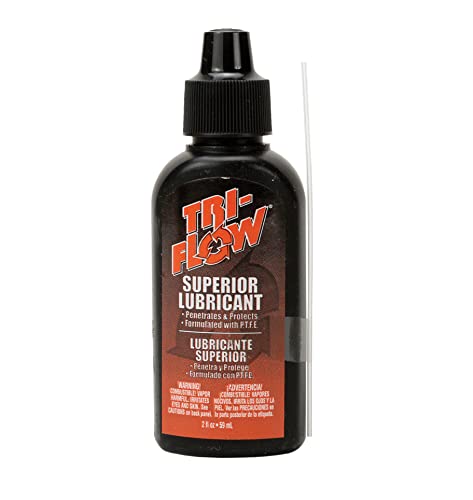
  3. Tri-Flow Superior Lubricant with Teflon — The lubricant typewriter mechanics reach for first, works on seized keys and sticky carriage mechanisms.
Budget total
$65
Typical total
$175
A working vintage portable runs $40-120 at thrift stores or online. Add $20 for ribbons and $15 for a cleaning brush kit and you're fully operational.

We earn commission on qualifying Amazon purchases — see our affiliate disclosure. Price tiers and budget totals shown above are editorial estimates; actual Amazon prices vary.

At a glance

Our top pick in each category

The fastest path through this guide — each best-starter pick by category. Scroll for the budget and upgrade alternatives.

CategoryTop pickPriceWhere to buy
TypewritersSmith CoronaSmith Corona Sterling Portable Typewriter$$ See on Amazon →
RibbonsUniversalUniversal Typewriter Ribbon Black (1/2 Inch Spool)$ See on Amazon →
Cleaning SuppliesFalconFalcon Dust-Off Compressed Gas Duster$ See on Amazon →
Maintenance ToolsTri-FlowTri-Flow Superior Lubricant with Teflon$ See on Amazon →
Reference BooksCountryman PressThe Typewriter Revolution by Richard Polt$ See on Amazon →
Before you buy anything

A few things worth knowing first

Buy working, not cheap. A $20 machine that needs restoration will cost you $80 and two weekends before it types reliably. A $80 machine that's already cleaned and working is the better deal every time.

Stick to portables for your first machine. Desktop standards (Underwood No. 5, Royal KMM) are beautiful, but they're heavy, harder to ship, and need a dedicated desk. Portables give you the same experience in a package you can actually live with.

The three most forgiving brands for beginners are Smith Corona, Royal, and Olympia. Parts are documented, repair guides exist, and they're common enough that you won't overpay. Save the Swiss and Italian machines (Hermes, Olivetti) for when you know exactly what you want.

The gear

What you actually need

Vintage typewriter with black keys and green plant

Photo by Evgeniy Bezkorovayniy on Unsplash

Typewriters

The first machine sets the tone for the whole hobby. For most beginners that means a portable from the 1950s-1970s: compact enough to use regularly, common enough that repair guides exist, and priced reasonably enough that you won't feel burned if you decide to upgrade. Royal and Smith Corona are the entry-level workhorses. Olympia is the step up. Hermes is the endgame that collectors talk about for years before buying.

Typewriters — what's the difference?

A few common shapes, each making a different trade.

Portable

Travel-sized machines built for daily use. The starting point for most collectors.

Weight
5-10 lbs
Era
1940s-1970s
Storage
Built-in case

Best for Most beginners, apartment typists, and anyone building a first collection

Tradeoff Lighter key travel than desktop machines; some collectors find the feel less satisfying

Standard (Desktop)

Full-size office machines with heavier mechanisms and louder, more authoritative keys.

Weight
15-30 lbs
Era
1920s-1960s
Storage
Dedicated desk required

Best for Collectors drawn to pre-war American design; writers who prefer maximum key feedback

Tradeoff Heavy and loud; requires a permanent typing spot and patience with vintage sourcing

Smith Corona Sterling Portable Typewriter Best starter
Smith Corona

Sterling Portable Typewriter

$$

Our rating

The Smith Corona Sterling is one of the most recommended first machines: the key action is light and consistent, the mechanism is simple enough to clean yourself, and working examples are common. Made through the 1960s and early 1970s, it's old enough to be a genuine collectible but late enough that parts and ribbons aren't a problem.

What we like

  • Light, consistent key action that beginners adapt to quickly
  • Well-documented online with repair guides for every failure mode
  • Common enough to find in good condition without overpaying

What to know

  • Carriage return springs weaken over decades; confirm function before buying
  • Plastic body on later models (post-1968) feels less substantial than earlier metal
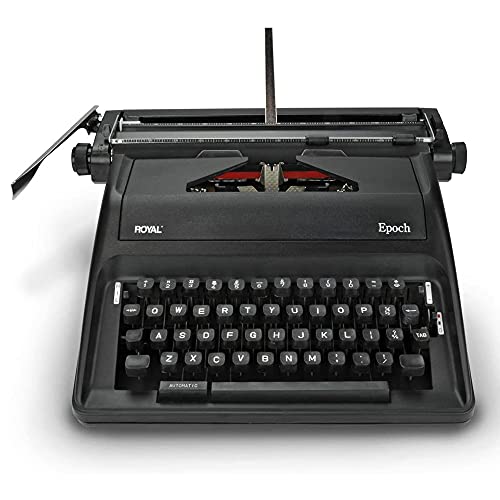
Royal Epoch Portable Manual Typewriter Budget pick
Royal

Epoch Portable Manual Typewriter

$150.00 as of Jun 22, 2026

Our rating · Only 1 left in stock - order soon.

The Royal Epoch is new, not vintage, but that's the point. If you're not sure the hobby will stick, spending $65 on a modern portable beats spending $100 on a vintage machine that might need work. It types reliably, ribbons are easy to find, and it teaches you everything about how a typewriter operates before you invest in something collectible.

What we like

  • New condition means no restoration surprises right out of the box
  • Ribbons and parts are current production and easy to find

What to know

  • No collectible value whatsoever; this is a gateway tool, not a collection piece
  • Plastic construction lacks the tactile weight of a real vintage machine
Upgrade pick
Olympia

SM9 Manual Typewriter

$$$

Our rating

Collectors use 'West German engineering' as shorthand for a reason: the Olympia SM9 has a glass-smooth key action that Royal and Smith Corona simply cannot match. Produced 1961-1980, it's the machine serious collectors recommend to anyone ready to step up. Expect to pay $120-200 for a clean example. The investment is worth it once you know you're staying in this hobby.

What we like

  • Silky key action that outclasses nearly every other portable typewriter
  • Extremely well-documented; service manuals are available online

What to know

  • Harder to find in excellent condition; skip any example the seller calls 'needs work'
  • Heavier than comparable portables at around 10 lbs
Olivetti Lettera 32 Vintage Manual Typewriter Specialty pick
Olivetti

Lettera 32 Vintage Manual Typewriter

$$$$

Our rating

The Olivetti Lettera 32 is one of the most iconic portable typewriters ever designed: compact, beautifully made, and still fully functional decades later. It's the machine Cormac McCarthy typed on for over 40 years. The design is distinctive enough to display, precise enough to type on daily. Save it for your second machine, once you're sure this hobby has you.

What we like

  • Cormac McCarthy's typewriter of choice; a genuine design icon
  • Lightweight at 6 lbs, the most portable of the serious collectibles

What to know

  • Platens harden faster than most; budget for replating on older examples
  • Italian mechanics harder to source parts for than American-made models

Ribbons

Ribbons are the one truly recurring cost in typewriter collecting, and the quality difference between good and bad ribbons is immediately visible on the page. Most vintage portables use a standard 1/2-inch spool. Black-only is the practical choice for most typists; black-red is the traditional option for those who want the full experience of a mid-century office machine. Keep a spare on hand; running dry mid-project is frustrating.

Universal Typewriter Ribbon Black (1/2 Inch Spool) Best starter
Universal

Typewriter Ribbon Black (1/2 Inch Spool)

$6.99 as of Jun 22, 2026

Our rating · In Stock

Ames Supply is the ribbon source that typewriter communities consistently recommend. Their universal 1/2-inch spool fits the vast majority of vintage portables, the ink quality is noticeably better than off-brand options, and impressions stay crisp through the full ribbon life. Buy a two-pack so you always have a spare ready.

What we like

  • Fits most vintage portables without any modification or adapters
  • Ink density stays consistent through the full ribbon without fading early

What to know

  • Won't fit older pre-war machines that use wider or specialty spools
  • Ships from a specialty supplier; stock up so you're not waiting on a reorder
FJA Products Universal Typewriter Ribbon Black Red Specialty pick
FJA Products

Universal Typewriter Ribbon Black Red

$11.95 as of Jun 22, 2026

Our rating · In Stock

The traditional office ribbon for any machine with a two-color selector switch. Black for body text, red for headings, dates, or emphasis. More of an experience choice than a practical one, but it makes using a vintage machine feel genuinely mid-century. Worth having one around.

What we like

  • Unlocks the two-color selector on machines that support it
  • Red type for dates and headings looks exactly as vintage as you'd hope

What to know

  • Requires a working color selector; many vintage machines have a seized selector
  • Red portion gets used faster than black; you'll reorder more often

Cleaning Supplies

Vintage typewriters accumulate decades of dust, dried ink, and old oil that gums up mechanisms. The single most important cleaning task is the type slugs (the small metal stamps that make each letter), which fill with dried ink and produce blurry impressions. Compressed air handles loose debris; a soft brush and denatured alcohol or type cleaner handles the slugs. This is not optional maintenance: a dirty typewriter types badly regardless of how good the mechanism underneath is.

Falcon Dust-Off Compressed Gas Duster Best starter
Falcon

Dust-Off Compressed Gas Duster

$2.09 as of Jun 22, 2026

Our rating · Only 10 left in stock - order soon.

The first step in cleaning any vintage typewriter is blowing out the debris, and Falcon Dust-Off is what everyone reaches for. Use it on the keyboard, the carriage mechanism, and the interior before any wet cleaning. Keeps the moisture away from places it shouldn't go. Keep one next to your machines permanently.

What we like

  • Safe on all vintage typewriter components including rubber platens
  • Reaches into key mechanisms and carriage rails that brushes can't

What to know

  • Cans run out faster than you expect; buy two at a time
  • Doesn't remove dried ink from type slugs; you still need a brush and solvent for that
BSIE Typewriter Maintenance Kit Budget pick
BSIE

Typewriter Maintenance Kit

$28.95 as of Jun 22, 2026

Our rating · In Stock

This kit covers the standard first-round of typewriter maintenance: a dust brush for the mechanism, typebar cleaner solution for type slugs, typewriter oil for pivot points, polishing cream for chrome, and fibre cloths. Buying it as a kit costs less than sourcing each item separately, and the typebar cleaner is the hardest piece to find on its own.

What we like

  • Covers the complete cleaning routine in one purchase at fair value
  • Typebar cleaner specifically formulated for removing dried ink from type slugs

What to know

  • Oil is adequate for a first clean; Tri-Flow works better for seized mechanisms
  • Individual tool quality is basic; hobbyists upgrade piece by piece over time

Maintenance Tools

Beyond cleaning, every typewriter collector eventually needs to lubricate a sticky mechanism or tighten a loose component. The right lubricant matters enormously: WD-40 is not the answer (it dries sticky and attracts dust). Typewriter-specific oil applied sparingly to pivot points and rails keeps mechanisms running for decades. A precision screwdriver set handles the small screws on vintage portables without stripping them.

Tri-Flow Superior Lubricant with Teflon Best starter
Tri-Flow

Superior Lubricant with Teflon

$8.25 as of Jun 22, 2026

Our rating · In Stock

Typewriter mechanics recommend Tri-Flow by name because it penetrates seized mechanisms, lubricates pivot points, and doesn't dry into the sticky residue that gums up vintage machines over time. Apply it sparingly with a toothpick or fine-tipped applicator, not from the nozzle. One small bottle lasts years of careful use across a whole collection.

What we like

  • Penetrates seized pivot points without damaging vintage rubber or plastic
  • Teflon formula stays slick without accumulating dust the way WD-40 does

What to know

  • Nozzle makes spot application tricky; use a toothpick to control placement
  • A little goes a very long way; easy to over-apply on your first machine
iFixit Pro Tech Toolkit Budget pick
iFixit

Pro Tech Toolkit

$$

Our rating

Vintage typewriters use small Phillips and flathead screws that strip instantly with the wrong driver. The iFixit Pro Tech Toolkit has the right small-shaft drivers for the screws on virtually every portable typewriter ever made, plus the spudgers and picks that help you navigate tight spaces without scratching chrome or paint. The tweezers alone are worth the purchase for handling small springs.

What we like

  • Small shaft drivers fit vintage typewriter screws without slipping or stripping
  • Tweezers and spudgers handle springs and small parts in tight mechanisms

What to know

  • More toolkit than most casual collectors need; consider a basic set first
  • Case is large for a toolbox; the drivers are the only pieces you'll use regularly

Reference Books

The typewriter collecting community has produced genuinely excellent printed resources, from collector identification guides to hands-on repair manuals. One good reference book teaches you more about identifying models, assessing condition, and understanding what makes a machine collectible than months of forum browsing. If you're serious about the hobby, a physical reference lives on the desk next to the collection.

The Typewriter Revolution by Richard Polt Best starter
Countryman Press

The Typewriter Revolution by Richard Polt

$23.80 as of Jun 22, 2026

Our rating · In Stock

Richard Polt is the most respected voice in typewriter collecting, and this book covers everything a new collector needs: how to evaluate machines, which brands and eras matter, how to type well, and why the hobby resonates in a digital age. It's equal parts practical guide and love letter to mechanical writing. Buy this before you buy your second machine.

What we like

  • Covers machine identification, condition assessment, and collecting strategy
  • Written by the leading voice in the collecting community; the authoritative reference

What to know

  • Published 2015, so some sourcing advice (eBay prices, specific sellers) is dated
  • Leans more toward the culture of collecting than deep mechanical repair
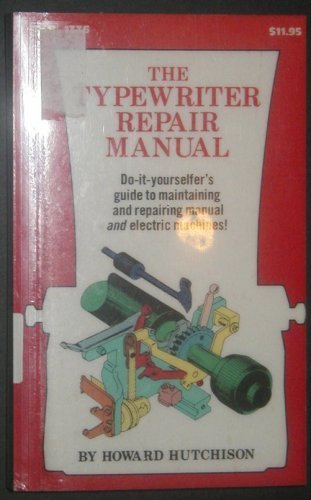
The Typewriter Repair Manual Budget pick
Sams

The Typewriter Repair Manual

$

Our rating

When a mechanism binds or a linkage breaks, a service manual is the difference between a quick fix and a machine that sits in a closet. This manual covers adjustment specs, disassembly sequences, and parts diagrams for manual and electric portables. More useful than YouTube for anything requiring precise measurements or spring tensions.

What we like

  • Original factory specifications for adjustments you can't find anywhere else
  • Parts diagrams make disassembly logical instead of guesswork

What to know

  • Must match your specific brand and model; generic manuals miss machine-specific quirks
  • Scan quality varies; some reprints are barely legible on the diagrams
Going deeper

Your first month of typewriter collecting

Most new collectors buy the wrong first machine and spend their first month fixing it instead of using it. Here's what to buy, how to assess condition, and what the hobby actually feels like once a machine is working and ribboned.

a woman sitting at a table typing on an old fashioned typewriter
Photo by Vadim Mityushin on Unsplash

Typewriter collecting has a reputation for being a rabbit hole, and the reputation is earned. One machine turns into three, three turns into a shelf, and somewhere along the way you’ve developed opinions about West German key mechanisms versus Swiss, and you’re on forums discussing the correct viscosity of typewriter oil.

But that’s month six. Month one is simpler: find a working machine, get it running, and actually type on it.

Week 1: Find your first machine

The single most important rule for a first purchase is this: buy working, not cheap. A $20 machine that “just needs a little cleaning” will cost you a weekend and $40 in supplies before it types reliably. A $90 machine that someone has already cleaned and confirmed working is a better deal every time.

The best starter machines are portable typewriters from the 1950s through the early 1970s. Portables (as opposed to desktop standards) are compact, come with their own cases, weigh 7-10 pounds, and were produced in such quantities that parts and ribbons are still findable. The three most forgiving brands for beginners: Smith Corona, Royal, and Olympia.

Where to look:

  • Local thrift stores and estate sales (best prices, but condition varies wildly)
  • eBay (widest selection; search for “tested working” and filter accordingly)
  • Etsy (many sellers specialize in cleaned and serviced vintage machines; you pay more, but the machine is ready to go)
  • Facebook Marketplace (often priced below eBay by sellers who don’t know the market)

What to check before buying:

  • Every key types cleanly (no sticking, no double-striking)
  • Carriage travels smoothly in both directions
  • Carriage return lever works and the mechanism advances the line
  • Margin stops hold position
  • The platen (rubber roller) isn’t cracked or completely hardened

If you’re buying locally, bring a sheet of paper and ask to type a line. If buying online, look for a seller who has specifically typed a test line in the photos or video. “Works great” without evidence doesn’t count.

person holding gray and black typewriter
Photo by Denise Jans on Unsplash

Week 2: Get it running properly

Most vintage typewriters benefit from a quick cleaning before use, even if they were sold as “working.” Fifty years of dust and dried oil accumulates in places that affect typing quality.

The basic cleaning process:

First, compressed air. Hold the carriage at one end and blow out the keys, the typehead area, and the carriage rails. You’ll be surprised what comes out.

Second, the type slugs. These are the small metal stamps that actually hit the ribbon. They fill with dried ink over years of use and produce blurry impressions. Use a stiff nylon brush (an old toothbrush works; a dedicated typewriter brush is better) with a small amount of denatured alcohol from any hardware store. Clean each slug individually. This is the most time-consuming step and the most immediately rewarding: before-and-after impression quality is dramatic.

Third, the platen. The rubber roller dries and hardens over decades. You can’t restore serious hardening, but you can clean off surface grime with a lightly damp cloth. A conditioned platen feeds paper more reliably.

Fourth, light lubrication. A small amount of Tri-Flow or similar lubricant applied to carriage rails and key pivot points with a toothpick (not sprayed, never poured) keeps mechanisms smooth without attracting the dust that gums them up over time. WD-40 is not the answer here. It dries sticky.

The ribbon check:

If the machine came with an old ribbon, replace it before you assess the typing quality. Old ribbons produce faint, uneven impressions that make a perfectly good mechanism look broken. Fresh ribbons are cheap. Most vintage portables use a standard 1/2-inch spool.

black and gray typewriter on white table
Photo by Wilhelm Gunkel on Unsplash

Weeks 3-4: Learn what you have

Once the machine is clean and ribboned, the real education begins. Look up your machine’s serial number on the Typewriter Database (TWDB at typewriterdatabase.com). You’ll find the exact production year, factory of origin, and often the original color options for your specific machine. A Smith Corona that types well becomes much more interesting when you know it was built in 1962 in a factory that also produced machines for the US military.

This is where the hobby deepens. Typewriter collectors tend to fall into one of a few camps:

The typists use their machines daily for letters, journals, and first drafts. They’re interested in key action and reliability. They tend toward machines with excellent mechanisms (Olympia SM series, Hermes 3000) and don’t care much about cosmetics.

The collectors are interested in completeness, rarity, and design. They seek out specific color variants, unusual models, and pre-war machines with distinctive styling. The visual identity of mid-century office design is the point.

The mechanics have a toolkit and a box of parts. They find machines in bad condition, restore them, and understand every linkage in the mechanism. For them, the acquisition is just the beginning.

You’ll figure out which type you are by how you spend your second month. Most collectors start as typists and migrate toward collection over time.

What makes this hobby unusual is the tactile permanence of it. A page typed on a 1960 Hermes still looks like a page typed on a 1960 Hermes. The machine doesn’t depreciate in any meaningful way. It’s an artifact that also produces artifacts, and that combination is genuinely rare in collecting.

grayscale photography of Brother typewriter
Photo by jules a. on Unsplash

Common mistakes in the first month

Buying a restoration project first. The forums make restoration look straightforward. It isn’t, the first time. Buy working, learn on it, then decide if you want to learn repair.

Over-oiling. More oil doesn’t mean smoother. A drop on a pivot point is right. A spray inside the mechanism is how you gum up a carriage you just cleaned.

Obsessing over model rankings before you have opinions. The Hermes 3000 is excellent. So is a clean Olympia SM9. So is a well-adjusted Smith Corona Silent. The ranking matters after you’ve typed on three or four machines and know what you’re actually comparing. Before that, you’re comparing descriptions, not experiences.

Using the wrong paper. Vintage typewriters work best with standard 20-lb bond paper. Very thin paper tears and wrinkles; very thick paper strains the platen. A ream of ordinary printer paper is fine for a first month.

What happens next

By the end of month one, you’ll have one working machine you’ve cleaned, ribboned, and typed on. You’ll know roughly what it cost, what the community thinks of it, and what a “good example” of your model looks like.

Month two is when the second machine enters the picture.

Save your money

What you don't need yet

Beginners get pressured to buy a lot of stuff that doesn't help them play better. Here's what we'd skip on day one.

  • A platen replacement service — Hard rubber platens do dry out eventually, but a new machine doesn't need replating. Evaluate after a year of use.
  • A full repair course — YouTube channels like Phoenix Typewriter walk you through 90% of common fixes for free. Take a course only if you want to take machines apart professionally.
  • A rare collectible (Hermes 3000, Olivetti Lettera 32, pre-war Underwood) — Save the trophy machines until you know what you love. Your first pick should be a machine you can break and learn on.
  • A display case or museum-style shelving — Start with a single machine. Display cases come after you have something worth displaying.
  • Special typing paper — Any 20-lb bond paper works fine for learning. Specialty paper matters for presentation typing, not practice.
First week

Your first seven days

A short, real plan to get from gear-on-doorstep to actually playing.

  1. Buy a working vintage portable, not a restoration project. Confirm it types before money changes hands. · Buy
  2. Stock two ribbons. You'll want a spare when the first one runs dry mid-session. · Buy
  3. Clean the type slugs. Blow out debris with compressed air, then brush each slug with a type cleaner or denatured alcohol on a cotton swab. Your first page will look dramatically better. · Action
  4. Type a full page. Doesn't matter what it says. Learning the feel of the key action and the carriage return is the whole point of the first session. · Action
  5. Look up your machine on the Typewriter Database (TWDB). You'll find the production year, color variants, and often the serial number range for your specific machine. · Learn
  6. Watch one Phoenix Typewriter video on basic cleaning. It will teach you more about your machine's mechanism than any manual. · Learn
FAQ

Common questions

How much should I spend on my first typewriter?

Between $50 and $120 for a working vintage portable in good cosmetic condition. Anything under $40 is probably a restoration project in disguise. Anything over $150 is a premium you haven't yet earned the context to evaluate. The sweet spot is a clean Smith Corona, Royal, or Olympia from the 1950s-1970s from a seller who has confirmed it types.

Where should I actually buy vintage typewriters?

eBay and Etsy have the widest selection, but local estate sales, thrift stores, and antique markets are where the best prices live. Amazon Marketplace has occasional listings too. The advantage of buying locally is that you can test it before paying. The rule: never buy a typewriter that the seller hasn't confirmed is in working order.

Are ribbons still being made for vintage typewriters?

Yes. The standard 1/2-inch spool fits the vast majority of vintage portables made between 1940 and 1980, and several suppliers still manufacture them (Ames Supply, Swintec, others). Exotic sizes for pre-war or specialist machines are harder to find but still available through specialty suppliers and eBay.

How do I know if a vintage typewriter is in good condition?

Ask the seller to type a test line showing all keys. Look for: consistent impression (not light on some letters, heavy on others), smooth carriage travel, a functioning carriage return, and margin stops that hold. Cosmetic flaws (scratches, faded decals) don't matter. Mechanical problems (sticking keys, uneven impression, seized carriage) do.

What's the most collectible typewriter for a beginner?

The Hermes 3000 and Olympia SM9 are the machines collectors talk about most at the entry-to-mid level. But collectibility is something you discover, not something you plan. Start with a machine you'll actually use. Typing on your machine is how you learn what matters to you in a collectible.

Can I use a vintage typewriter for actual daily writing?

Absolutely, and that's the best way to know if the hobby is for you. A clean, well-ribboned vintage portable is fully functional as a writing tool. Many collectors use their machines daily for letters, journaling, and drafts. The hobby is more satisfying when the machines work, not when they just sit on a shelf.

Going further

Where to next

Browse by category

Authoritative sources

  • Typewriter Database (TWDB) — The essential community resource. Enter your serial number and get the exact production year, country, and color for most major vintage models. Bookmark this before your machine arrives.
  • The Typewriter Revolution (Richard Polt's blog) — Polt is the most respected writer in the hobby. His blog archives cover machine reviews, collecting philosophy, and the cultural moment typewriters are in.
  • Phoenix Typewriter (YouTube) — The best starting point for hands-on video repair guides. Duane covers cleaning, lubrication, and common mechanical fixes in clear, beginner-friendly detail.
  • r/typewriters — The most active English-language community for typewriter collecting. Use the search before posting: most beginner questions have detailed archived answers.
  • Typewriter Talk (Forum) — The dedicated collector forum. Slower pace than Reddit but deeper expertise. Good for specific model questions and repair discussions that require back-and-forth.
  • ETCetera (Journal of the ITAM) — The International Typewriter Appreciation Month journal. Niche, but this is where collectors publish detailed research on specific models and production histories.