Ant keeping means raising a colony from a single queen: watching her first eggs hatch, her first workers forage and, over a year or two, a tiny society grow in a nest on your desk. It's cheap to start and slow in the best way. Here's how to get a queen legally, the test tube setup that starts every colony, when to move to a formicarium, and how to feed them.
By Colin B. · Published November 8, 2026 · Last reviewed November 8, 2026
Glass test tubes, a small plastic outworld, freeze-dried insects and a loupe come to about $36, and that's all a new queen needs. A formicarium and Fluon for the outworld walls bring it to about $106 by the time the colony needs room.
We earn commission when you buy through links on this page, including
Amazon. See our affiliate disclosure.
Price tiers and budget totals shown above are editorial estimates;
actual prices vary.
At a glance
Our top pick in each category
The fastest path through this guide — each best-starter pick by category.
Scroll for the budget and upgrade alternatives.
Get a native species. In the US, shipping live ants across state lines requires a USDA permit, and releasing or moving non-native ants can harm local ecosystems. The best route is catching a newly mated queen of a local species after a nuptial flight, or buying from a seller in your own state.
A queen lives in a test tube first. A newly mated queen founds her colony alone in a small, dark, humid chamber. A test tube with water behind a cotton plug is perfect, and she may stay in it for months.
Patience is the hobby. Many species take six to eight weeks from first eggs to first workers, and a colony of a few dozen ants can take most of a year. Resist moving them into a big nest early; it stresses the colony.
The gear
What you actually need
Test tube setups
A test tube setup is the standard home for a founding queen. Fill about a third of the tube with water, push a cotton ball in tightly to hold it back, and put the queen in the dry end with a loose cotton plug. Wrap it in foil or keep it in a drawer, because queens want darkness. Make several, so you can move the colony when the water runs low.
Best starter
Karter Scientific
16x150mm Glass Test Tubes with Rubber Stoppers
$9.89 as of Nov 8, 2026
★★★★★Our rating· In Stock
Glass test tubes in the 16 x 150 mm size most ant keepers use for founding queens. Glass stays clear for viewing and is easy to clean and reuse. Swap the stoppers for cotton plugs to give the queen air. About $10. 272 reviews at 4.2 stars.
A small acrylic foraging box, about 2 inches square, that a test tube plugs into. It gives a young colony a little outworld for food without disturbing the queen's tube. About $10. 160 reviews at 4.0 stars.
A formicarium is an artificial nest with chambers you can see into. Move the colony once the test tube is crowded or the water is running out, often when you have a few dozen workers. Nests made of gypsum or similar materials hold humidity well. Choose a nest sized for your colony now, not for its future: ants in a nest that's too big get stressed and pile trash in empty rooms.
Best starter
Rimsunta
Terra Core S Ant Farm Formicarium
$47.99 as of Nov 8, 2026
★★★★★Our rating· In Stock
A compact clear acrylic formicarium with a gypsum nesting area, a separate foraging space and a built-in water reservoir that keeps the nest humid. Expandable as the colony grows. About $48. 164 reviews at 4.1 stars.
A larger acrylic ant farm with nesting chambers, a feeding area and a water supply, made for watching a growing colony dig, forage and care for brood. A good next home once the colony has outgrown its first nest. About $57. 204 reviews at 4.3 stars.
An outworld is the foraging area where you put food and water and the ants take out their trash. A simple plastic box connected to the test tube or nest works well. The walls need an escape barrier: a thin coat of Fluon or PTFE on the top inch or so is too slippery for most ants to climb.
Best starter
Exo Terra
Faunarium Small Plastic Terrarium
$8.99 as of Nov 8, 2026
★★★★★Our rating· In Stock
A small, clear plastic container with a ventilated lid that many ant keepers use as a first outworld. Cheap, easy to clean and easy to drill for a tube connection. About $9. 3,400+ reviews at 3.7 stars.
PTFE Plus Fluon Insect Escape Prevention Coating, 10 mL
$21.99 as of Nov 8, 2026
★★★★☆Our rating· In Stock
A slippery PTFE coating you brush onto the inside walls of an outworld so ants can't climb out. A small bottle treats several containers. About $22. 26 reviews at 4.4 stars.
Ants need two kinds of food: sugar for energy and protein for the queen and growing larvae. Offer sugar water or honey on a small piece of foil, and small insects for protein. Feed tiny amounts and remove leftovers before they mold. Founding queens of many species don't need food at all until the first workers appear.
Best starter
Fluker's
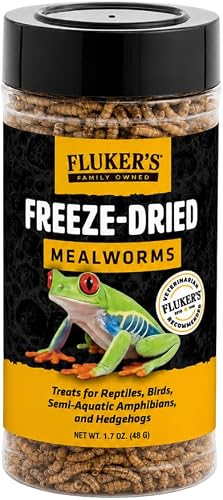
Freeze Dried Insects, Mealworms
$8.29 as of Nov 8, 2026
★★★★★Our rating· In Stock
Freeze-dried mealworms are an easy protein for most ant species. Cut them into small pieces and offer one at a time in the outworld. A container lasts a small colony for a very long time. About $8. 6,100+ reviews at 4.5 stars.
Dried black soldier fly larvae, a high-protein alternative to mealworms for colonies that grow large. A big bag at a low price. About $9. 66 reviews at 4.8 stars.
Most of the action in a young colony is tiny: eggs, larvae, pupae and workers barely bigger than a grain of rice. A jeweler's loupe with a built-in light lets you see brood and identify your queen without disturbing the nest. Keep viewing short, because bright light stresses founding queens.
Best starter
JARLINK
30X 60X Illuminated Jewelers Loupe Magnifier
$8.98 as of Nov 8, 2026
★★★★★Our rating· In Stock
A pocket loupe with 30x and 60x lenses and built-in lights, good for checking brood through the test tube glass and identifying species. About $9. 30,000+ reviews at 4.3 stars.
The first months with a new queen are mostly waiting, and that's exactly right. Here's what happens from the day you find her to her first workers and first outworld, and what to do (and not do) at each stage.
Ant keeping rewards patience more than any gear. A founding queen does everything herself for the first weeks, and the best thing you can do is give her a good setup and leave her alone.
Week 1: Find your queen
The easiest legal start is catching a queen of a native species right after a nuptial flight, when winged males and queens swarm and mate. Many species fly on warm, humid evenings after rain in late spring or summer. Look for queens walking on pavement or soil who have just pulled off their wings.
If you buy one, buy from a seller in your own state. Look up the species on AntWiki so you know its size, diet, whether it needs hibernation and how fast it grows.
Have test tubes ready before you go looking: water a third of the way, a tight cotton plug against the water, then the queen in the dry end with a loose cotton plug.
Put the tube somewhere dark, quiet and at room temperature. Wrap it in foil or keep it in a drawer. Check once a week at most, quickly, with a dim light.
What you’ll see: a small pile of eggs, then larvae that look like tiny white grains, then pupae, and finally the first workers, often small and pale at first. Depending on species and temperature this can take six to eight weeks or more. Many queens don’t need food during this time; they live on their own reserves.
If mold appears or the water runs low, set up a fresh tube and place the old one’s open end against it, in the dark. The colony will move.
Weeks 8 to 10: First workers, first food
Once workers appear, start feeding. Offer a drop of sugar water or honey on a scrap of foil and a small piece of insect, a couple of times a week. Remove leftovers after a day so they don’t mold.
The workers will forage out of the tube. Some keepers simply place food right at the cotton entrance for the first few weeks.
When the workers are actively foraging, connect the test tube to a small outworld: a plastic box with Fluon brushed on the top inch of the walls. Put food and water there instead of in the tube, and let the ants carry their trash out.
Hold off on a big formicarium. Most colonies stay happily in tubes until they have a few dozen workers. When the tube is crowded, connect a small nest and let them choose to move.
What not to worry about yet
Don’t worry about heat, big nests, exotic species or more colonies. Get one queen through her first workers and her first winter, and you’ll know far more than any guide can teach.
In the US, sellers can't legally ship live ants across state lines without a USDA permit, so buy from a seller in your own state. Many keepers catch a queen of a native species after a nuptial flight instead, which is free and legal in most places.
When should I move ants from the test tube to a formicarium?
When the tube is getting crowded, the water is running low or mold appears. For many species that's when the colony has a few dozen workers. Connect the new nest to the tube and let them move on their own.
How do I know if my queen is fertile?
A queen that has just flown, dropped her wings and is digging or searching is very likely mated. Eggs within a few weeks are a good sign. A queen with wings still attached may not be.
Do ants need to hibernate?
Many temperate species do. Their winter rest, called diapause, usually lasts a few months at cool temperatures, often in a wine fridge or cool basement. Skipping it can shorten the queen's life. Check your species' care guide.
What do I feed a new ant colony?
Many founding queens need nothing until the first workers arrive. After that, offer a drop of sugar water or honey and small pieces of insect protein a couple of times a week, removing leftovers before they mold.
Why isn't my queen laying eggs?
She may not be mated, or she may be stressed by light, vibration or frequent checks. Some species also pause laying in cool weather or before hibernation. Keep her dark and undisturbed for a few weeks.
JustBeginning earns commission from affiliate programs. As an Amazon
Associate, we earn from qualifying purchases. This costs you nothing
extra and doesn't change our recommendations.
Prices and availability are accurate as of the date and time
shown and can change; the price on Amazon when you buy is what
applies.
How this works.
Our top pick16x150mm Glass Test Tubes with Rubber Stoppers

 Best starter