Growing hot peppers is gardening with a dare in it: jalapeños and cayennes for the kitchen, habaneros and ghost peppers for the brave. Peppers need a long, warm season, so success starts indoors in late winter. Here's how to pick varieties, start seeds with heat and light, grow in containers and keep plants going year to year.
By Colin B. · Published November 8, 2026 · Last reviewed November 8, 2026
Seeds, a heat mat, seed trays, seed starting mix, a set of T5 grow lights and fabric pots come to about $132. Add Ocean Forest potting soil and Tomato-tone fertilizer for containers and you're near $198.
We earn commission when you buy through links on this page, including
Amazon. See our affiliate disclosure.
Price tiers and budget totals shown above are editorial estimates;
actual prices vary.
At a glance
Our top pick in each category
The fastest path through this guide — each best-starter pick by category.
Scroll for the budget and upgrade alternatives.
Match varieties to your season. Jalapeños, serranos and cayennes ripen relatively quickly. Habaneros and superhots like ghost peppers and Carolina Reapers need a very long, hot season, so in cooler climates start them extra early or grow them in containers you can move.
Start seeds indoors 8 to 12 weeks before your last frost. Pepper seeds want soil around 80 to 85°F to sprout, which is why a heat mat matters more for peppers than almost any other crop. Superhots can take two to four weeks to germinate.
Light makes or breaks seedlings. A sunny window isn't enough in late winter, and seedlings stretch into weak, leggy stems. Simple LED shop-style grow lights a few inches above the plants solve it.
Variety packs are the best way to start: you learn which peppers grow well for you and which you actually like to eat. Heat is measured in Scoville heat units, from a few thousand for a jalapeño to well over a million for superhots. Superhots also take longer to sprout and ripen, so grow a few easy varieties alongside them.
Pepper seeds — what's the difference?
A few common shapes, each making a different trade.
Classic hots
Jalapeño, serrano, cayenne. Reliable, productive and useful in the kitchen.
Heat
Mild to hot
Season
Moderate
Germination
About 1 to 2 weeks
Best for First-year growers, short seasons, cooking
Eight hot pepper varieties including jalapeño, serrano, cayenne and ghost pepper, about 240 heirloom seeds in all. A great spread from easy kitchen chiles to one superhot challenge. About $10. 486 reviews at 4.4 stars.
Ten heirloom varieties that mix sweet and hot, including jalapeño, serrano, cayenne, orange habanero, Anaheim, Cubanelle and Marconi red. Ideal if you want peppers for every kind of cooking, not just heat. About $12. 914 reviews at 4.5 stars.
Thirteen superhot and unusual varieties with over 1,000 seeds, for growers who want a real heat challenge. Start these earliest; they're the slowest to sprout and ripen. About $18. 1,500+ reviews at 4.3 stars.
Pepper seeds sprout best when the soil is around 80 to 85°F, far warmer than most homes in late winter. A seedling heat mat under the tray warms the soil, and a thermostat with a probe keeps it from overheating. Take the tray off the mat once most seeds have sprouted, because warm soil keeps pushing growth upward.
Best starter
BN-LINK
Seedling Heat Mat with Thermostat Controller
$24.99 as of Nov 8, 2026
★★★★★Our rating· In Stock
A seedling heat mat sold with a thermostat controller and probe, so you set the exact soil temperature peppers want. Fits under a standard seed tray. About $25. 7,600+ reviews at 4.5 stars.
A plug-in digital thermostat with a probe for a heat mat you already own. It keeps soil steady instead of cooking seeds on a mat that runs hot. About $19. 6,200+ reviews at 4.5 stars.
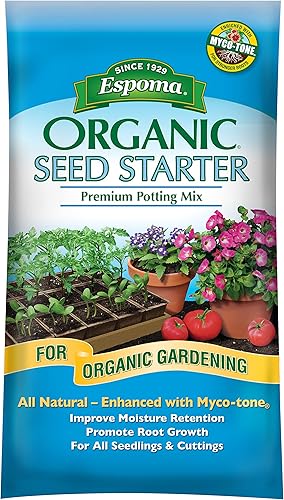
Start seeds in cell trays with a clear humidity dome, which keeps the surface moist until sprouts appear. Use a light, fine seed starting mix rather than garden soil or heavy potting mix. Once seedlings have a couple of sets of true leaves, move them up into bigger pots so roots have room.
Best starter
Gardzen
5-Set Seed Starter Tray Kits with Humidity Domes
$16.99 as of Nov 8, 2026
★★★★★Our rating· In Stock
Five seed starting sets with cell trays and clear humidity domes. About $17. 8,900+ reviews at 4.5 stars.
6-Pack Seed Starter Trays, 72-Cell with Humidity Dome
$14.99 as of Nov 8, 2026
★★★★☆Our rating· In Stock
Six 72-cell trays with humidity domes for a little less. Plenty of cells for a big pepper patch and some tomatoes too. About $15. 961 reviews at 4.4 stars.
A fine, light organic seed starting mix that holds moisture without staying soggy, which is exactly what tiny pepper roots want. About $23. 2,100+ reviews at 4.5 stars.
Seedlings need bright light for 14 to 16 hours a day. T5-style LED strips hung a few inches above the plants are cheap, cool-running and plenty bright for seed starting. Raise the lights as plants grow. Pale, stretched seedlings almost always mean the lights are too far away.
Best starter
Barrina
T5 Grow Lights, 2FT 5000K Full Spectrum, 4 Pack
$42.74 as of Nov 8, 2026
★★★★★Our rating· In Stock
Four 2-foot LED light bars in full-spectrum 5000K white. Hang them over a shelf of seed trays for strong, stocky seedlings. About $43. 7,200+ reviews at 4.6 stars.
Eight of the same light bars, enough for two shelves of trays or a bigger seed-starting setup for the whole garden. About $66. 6,500+ reviews at 4.7 stars.
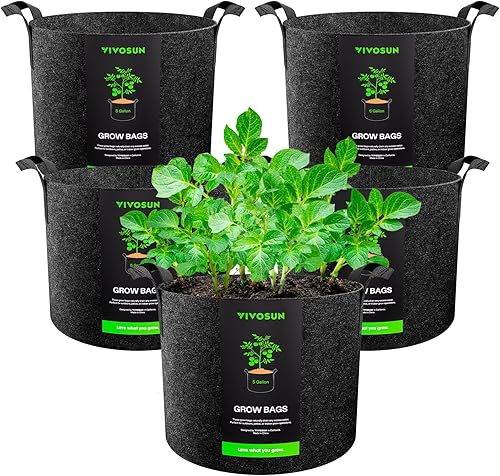
Peppers do brilliantly in containers, which warm up faster than garden soil and can move inside on cold nights. A 5-gallon pot suits one full-size plant. Fabric pots breathe, which keeps roots from circling and helps prevent waterlogging. Fill them with a quality potting mix, never garden soil.
Best starter
VIVOSUN
5-Pack 5 Gallon Plant Grow Bags with Handles
$15.99 as of Nov 8, 2026
★★★★★Our rating· In Stock
Five breathable fabric pots with handles, each the right size for one pepper plant. Fold flat for winter storage. About $16. 55,000+ reviews at 4.6 stars.
Thicker, heavier fabric pots that hold their shape and last more seasons. Worth it if you'll reuse them every year. About $24. 6,400+ reviews at 4.8 stars.
A rich, light, aerated potting soil that container growers swear by. Its nutrients carry young pepper plants for their first weeks in pots. About $40. 13,100+ reviews at 4.7 stars.
Peppers like steady feeding but not too much nitrogen, which grows leaves instead of fruit. A tomato fertilizer with extra calcium suits them well and helps prevent blossom end rot. Mix granular fertilizer into the potting soil at planting, then side-dress or use a liquid feed every few weeks once flowers appear.
Best starter
Espoma
Organic Tomato-Tone 3-4-6 with 8% Calcium
$24.56 as of Nov 8, 2026
★★★★★Our rating· In Stock
An organic granular fertilizer made for tomatoes that works just as well for peppers, with a 3-4-6 balance that favors fruit over leaves and added calcium. About $25. 1,200+ reviews at 4.8 stars.
A liquid feed for the leafy growth stage, useful for seedlings and young transplants before flowers appear. Mix into the watering can every week or two. About $19. 7,800+ reviews at 4.8 stars.
Hot peppers take most of a year from seed to harvest, which makes a plan more useful than for almost any other crop. Here's the season month by month: seed starting in late winter, hardening off, containers in summer, harvest and keeping your best plants for next year.
Peppers reward planning. Start too late and your habaneros ripen the week of the first frost. Start right, with warmth and light, and you’ll have more peppers than you can eat by late summer.
Late winter: Sow the seeds
Count back 8 to 12 weeks from your last frost. Fill cell trays with moist seed starting mix, sow two seeds per cell about a quarter inch deep and label every row; pepper seedlings all look the same. Put the tray on a heat mat set to about 80 to 85°F, with the humidity dome on.
Jalapeños and cayennes usually pop up in one to two weeks. Superhots can take three or four. As soon as sprouts appear, remove the dome, turn on the grow lights a few inches above the seedlings and run them 14 to 16 hours a day.
When seedlings have two or three sets of true leaves, move each one into a 3 or 4 inch pot of potting mix. Keep the lights close and run a small fan nearby for a few hours a day; the gentle movement makes stems sturdier.
Start light feeding with a diluted liquid fertilizer every week or two. Clip off the weaker seedling if two came up in one cell.
Late spring: Harden off and plant out
Peppers hate cold. Wait until nights stay above about 55°F. For a week before planting, put the plants outside for a few hours a day, building up from shade to full sun, then bring them in at night. This hardening off prevents sunburned, stunted plants.
Plant one pepper per 5-gallon fabric pot of good potting mix with a handful of tomato fertilizer, in the sunniest spot you have. Water deeply when the top inch of soil is dry.
Summer: Feed, water and wait
Once flowers appear, feed every few weeks with a fruiting fertilizer and keep watering steady; uneven watering causes dropped flowers and blossom end rot. In extreme heat, flowers may drop until nights cool a little. That’s normal.
Peppers can be picked green, but most hot varieties get hotter and sweeter as they ripen to red, orange or yellow. Cut them off with scissors rather than pulling, and wear gloves for superhots.
Fall: Harvest and overwinter
Before frost, harvest everything, ripe or not. Pick your best one or two plants to overwinter: prune back to a few main branches, check for pests and bring them inside to a cool, bright window. Water sparingly until spring. Overwintered plants fruit weeks earlier the next year.
What not to worry about yet
Don’t worry about grow tents, hydroponics or dozens of varieties. Grow a handful of plants well, learn your season, and next year’s list will write itself.
Check daily and keep the mix moist but not soggy. Superhots may take a few weeks to show. · Action
FAQ
Common questions
When should I start pepper seeds?
Usually 8 to 12 weeks before your last spring frost. Superhots like ghost peppers and Reapers do best at the early end of that window because they grow slowly and need a long season to ripen.
Why aren't my pepper seeds sprouting?
Most often the soil is too cool. Peppers want around 80 to 85°F. Use a heat mat with a thermostat, keep the mix moist but not wet, and be patient: some superhots take two to four weeks.
Can I grow hot peppers in pots?
Yes, and many growers prefer it. A 5-gallon pot per plant, a good potting mix and a sunny, warm spot work well. Pots also let you move plants indoors on cold nights or to overwinter them.
Can I keep a pepper plant over winter?
Yes. Peppers are perennials in warm climates. Before frost, prune the plant back to a few branches, check for pests and bring it inside to a cool, bright spot. Water sparingly until spring, then it'll fruit earlier the next year.
Why are my pepper plants flowering but not fruiting?
Common causes are too much nitrogen, very hot nights, cold snaps or poor pollination. Switch to a fruiting fertilizer, gently shake plants or brush flowers to help pollination, and be patient through heat waves.
How do I handle superhot peppers safely?
Wear disposable gloves when picking, cutting or processing them, avoid touching your face, and work in a ventilated kitchen. Wash knives and boards well, and keep them away from kids and pets.
JustBeginning earns commission from affiliate programs. As an Amazon
Associate, we earn from qualifying purchases. This costs you nothing
extra and doesn't change our recommendations.
Prices and availability are accurate as of the date and time
shown and can change; the price on Amazon when you buy is what
applies.
How this works.
Our top pick8 Varieties Hot Peppers, 240 Heirloom Seeds


 Best starter