HYROX is a fitness race: eight 1km runs, each followed by a workout station, from SkiErg and sled push to wall balls. The format is the same in every city, so you can train for it precisely. Here's open vs pro, why doubles is the best first race, the home gear worth buying, and what to do at the gym instead.
By Colin B. · Published November 12, 2026 · Last reviewed November 12, 2026
A 14 lb wall ball, a sandbag and one 35 lb kettlebell come to about $140. A second kettlebell for farmer carries and a pair of gloves bring you near $200. Race entry is extra, and a rower or SkiErg at home costs $850 to $1,000 each.
We earn commission when you buy through links on this page, including
Amazon. See our affiliate disclosure.
Price tiers and budget totals shown above are editorial estimates;
actual prices vary.
At a glance
Our top pick in each category
The fastest path through this guide — each best-starter pick by category.
Scroll for the budget and upgrade alternatives.
Run first, buy second. Roughly half your race time is the 8km of running, and most beginners lose more time there than at any station. A pair of good running shoes and three runs a week will do more for your first result than any home equipment.
Enter doubles or a relay for your first race. In doubles, two people run every kilometer together and split the station work, so you see the whole course without doing every rep alone. Open division uses lighter weights than pro and is where nearly everyone starts.
Use a gym for the machines. The SkiErg, rower and sled are expensive and bulky, and plenty of gyms now run HYROX classes with all of it. Buy the cheap, small pieces for home and train the machines where they already exist.
The gear
What you actually need
Wall balls
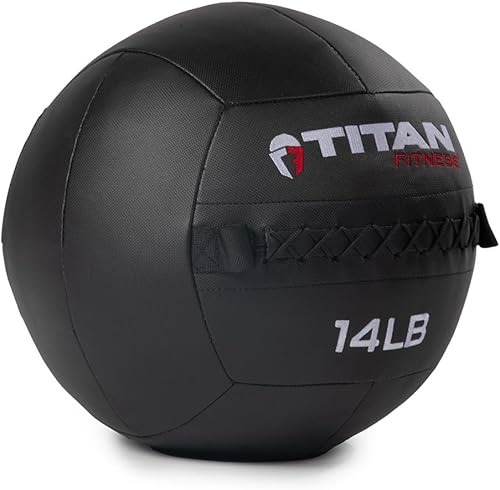
The final station is 100 wall balls: squat with a medicine ball, then throw it to a target and catch it. Open division uses a 6kg ball (about 13 lb) for men and 4kg (about 9 lb) for women. It's the station where tired legs and poor pacing show most, so practicing big sets at home pays off. Use a soft, oversized wall ball, not a hard slam ball, so it's safe to catch.
Best starter
Champion Sports
Rhino ProMax Elite Soft Medicine Ball, 14 lb
$42.99 as of Nov 12, 2026
★★★★★Our rating· In Stock
A soft, oversized wall ball close to the open men's race weight, with a grippy surface that's easy to catch when your hands are sweaty. Holds its shape through thousands of throws. Sold by Amazon. About $43. 590+ reviews at 4.2 stars.
A gym-grade wall ball with a tough cross-textured shell and double stitching, the kind you'll find at most CrossFit and HYROX gyms. It handles daily training for years. About $83. 37 reviews at 4.6 stars.
The seventh station is 100 meters of walking lunges with a sandbag on your shoulders: 20kg for open men and 10kg for open women. It's brutal on legs that have already run 7km. A fill-it-yourself sandbag with inner filler bags lets you match race weight exactly and add weight as you get stronger. Use pea gravel or play sand in sealed bags.
Best starter
Elite Sports
Workout Sandbag with Handles, 25 to 50 lb
$49.99 as of Nov 12, 2026
★★★★★Our rating· In Stock
A tough sandbag with multiple handles and inner filler bags, sized to hold 25 to 50 pounds. Fill it to 44 lb (20kg) for open men's race weight, or less while you build up. Sand not included. About $50. 570+ reviews at 4.6 stars.
The farmers carry station is 200 meters holding two kettlebells: 2 x 24kg for open men and 2 x 16kg for open women. Grip gives out before legs do. A pair of kettlebells at home trains carries, swings and lunges, which covers several stations at once. Gloves help on the sled pull rope and for kettlebell work if your hands tear easily.
Best starter
Amazon Basics
Cast Iron Kettlebell, 35 Pounds
$46.79 as of Nov 12, 2026
★★★★★Our rating· In Stock
A solid cast iron kettlebell with a wide, textured handle that suits carries and swings. 35 pounds is close to the 16kg open women's weight and a sensible training weight for men building up. Buy two for farmer carries. Sold by Amazon. About $47. 28,000+ reviews at 4.8 stars.
Light padded gloves with a grippy palm. Useful for the sled pull rope and heavy carries, especially if calluses tear. Many athletes race without them, so try both in training. About $14. 48,000+ reviews at 4.5 stars.
Two of the eight stations are 1,000 meters on a Concept2 SkiErg and 1,000 meters on a Concept2 RowErg. HYROX uses Concept2 machines, so training on the same models means your pacing and damper settings carry straight over. They're expensive, so most people use a gym. If you'll train at home for years, these are the ones to buy.
Best starter
Concept2
RowErg Indoor Rowing Machine with PM5 Monitor
$990.00 as of Nov 12, 2026
★★★★★Our rating· In Stock
The rower used in HYROX and nearly every gym. The PM5 monitor shows pace per 500 meters, the number you'll use to plan your race split. It's built to last decades and separates into two pieces for storage. About $990. 13,000+ reviews at 4.9 stars.
The race-standard SkiErg, for the first station of every HYROX. It trains the pulling, hinging motion that tires your arms and core early in the race. Wall or floor-stand mounted (stand sold separately). About $850. 620+ reviews at 4.8 stars.
HYROX rewards consistency more than talent. Twelve weeks is enough to go from a decent gym habit to a confident first race, if you train the running, the stations and the transitions between them. Here's a simple three-phase plan.
A HYROX race is eight kilometers of running broken up by eight workout stations. None of the stations is especially hard on its own. What makes the race hard is doing all of them back to back, on tired legs, with a run between each one.
This plan assumes you can already run about 5km and work out a few times a week. It uses five sessions a week: three runs and two strength sessions, with one of those runs blended into station work.
Weeks 1 to 4: Build the base
Run three times a week: two easy runs where you can hold a conversation, and one session of 1km repeats at a pace a little faster than you’d race. Start with four repeats and build to six.
Twice a week, do a strength session built on the stations. Lunges, squats, deadlifts and kettlebell swings for the legs and hips. Rows, carries and pull-ups for grip and back. Wall balls in sets of 15 to 25.
Learn each station’s standard from the official rulebook. Practice burpee broad jumps until they’re smooth: chest to the floor, then a two-footed jump forward. Bad technique here wastes energy and gets you no-repped.
This is the heart of HYROX training. Once a week, alternate runs with station work so you learn to run on tired legs:
1km run, 500m row
1km run, 25m sandbag lunges
1km run, 20 wall balls
Repeat two or three times
Your first 200 meters after a station will feel terrible. That’s the point. Practice settling into your running pace quickly instead of sprinting out or walking.
Get time on the SkiErg, rower and sled at a gym. Learn your pace per 500 meters on the machines and note what you can hold for the full 1,000 meters without blowing up.
Weeks 9 to 11: Race simulation
Do one half simulation (four runs and four stations) in week 9, and one near-full simulation in week 10 or 11. Use your race-day shoes, clothes and nutrition. Practice the transitions: entering the station, finding your lane and getting moving again.
Plan your pacing. Aim to run every kilometer at about the same pace, and treat the stations as steady work rather than sprints. Most first-timers go out too fast and pay for it at the sled and wall balls.
Week 12: Taper and race
Cut your training volume by about half and keep a little intensity: a few short 1km efforts and a light station session early in the week. Sleep well, eat normally and arrive early on race day to warm up and walk the venue.
On the day, start slower than you think you should. The race is long, and the best feeling in HYROX is passing people in the final kilometers because you paced it right.
Need equipment? Our HYROX gear guide covers the wall ball, sandbag and kettlebells worth owning, and what to train on at a gym.
Save your money
What you don't need yet
Beginners get pressured to buy a lot of stuff that doesn't help them play
better. Here's what we'd skip on day one.
A sled — Sled push and pull need a long turf track. Use a gym that has one, or train with heavy lunges and band pulls at home.
Carbon-plated race shoes — A comfortable running shoe with decent grip is plenty for your first race. Carbon plates are unstable on the stations.
A full home gym — A wall ball, a sandbag and a pair of kettlebells cover most of the home work. Leave machines to the gym.
Pro division weights — Open division is where nearly everyone starts. Move up after a race or two.
First week
Your first seven days
A short, real plan to get from gear-on-doorstep to actually playing.
Pick a race 12 to 16 weeks away and sign up for doubles or open. · Action
Do one compromised-running session: 1km run, then 20 wall balls or 25m of sandbag lunges, three rounds. · Action
Find a gym with a SkiErg, rower and sled, ideally one that runs HYROX classes. · Action
Row and ski 500 meters each at a steady pace and note your split per 500m. · Learn
FAQ
Common questions
Can a beginner do HYROX?
Yes. Most first-timers finish somewhere between about 75 and 120 minutes, and doubles and relays make it even more approachable. If you can run 5km and handle a basic gym workout, you can train for it in a few months.
What are the eight HYROX stations?
In order: 1,000m SkiErg, 50m sled push, 50m sled pull, 80m burpee broad jumps, 1,000m row, 200m farmers carry, 100m sandbag lunges and 100 wall balls. Each one follows a 1km run.
What's the difference between open and pro?
Pro uses heavier sleds, carries, sandbags and wall balls. Open is lighter and where nearly everyone starts. The running distance is the same in every division.
How should I train for my first HYROX?
Run three times a week, do two strength sessions built around the stations, and add one session a week mixing running with station work. That last one, called compromised running, teaches you to run on tired legs, which is the real challenge of the race.
What shoes should I wear for HYROX?
A cushioned running shoe with good grip works for most people. Some prefer hybrid training shoes that are stable enough for lunges and sled work and still comfortable over 8km. Avoid very soft or carbon-plated race shoes, which feel unstable on the stations.
JustBeginning earns commission from affiliate programs. As an Amazon
Associate, we earn from qualifying purchases. This costs you nothing
extra and doesn't change our recommendations.
Prices and availability are accurate as of the date and time
shown and can change; the price on Amazon when you buy is what
applies.
How this works.
Our top pickRhino ProMax Elite Soft Medicine Ball, 14 lb

 Best starter