A surfskate is a short skateboard with a front truck that swings and pivots, so you can pump for speed and carve tight turns the way you would on a wave. Surfers use it to train between sessions, and plenty of people ride it just because it feels great. Here's which truck system to choose, what board length fits you, and the safety gear to wear.
By Colin B. · Published November 8, 2026 · Last reviewed November 8, 2026
Certified Sweatsaver Helmet
— A Triple Eight helmet certified for skateboarding. Non-negotiable while you learn to pump.
Saver Series 3-Pack Pad Set
— Knee, elbow and wrist pads. Wrist guards matter most: they stop the classic beginner fall injury.
Budget total
$233
Typical total
$334
A Flow cruiser, a certified helmet and a budget pad set come to about $233. A Carver complete, a Triple Eight helmet, the Saver pad set and a stack of cones are about $334.
We earn commission when you buy through links on this page, including
Amazon. See our affiliate disclosure.
Price tiers and budget totals shown above are editorial estimates;
actual prices vary.
At a glance
Our top pick in each category
The fastest path through this guide — each best-starter pick by category.
Scroll for the budget and upgrade alternatives.
The truck is the board. A surfskate's front truck is what lets it pivot and pump, and each system feels different. Carver's trucks are smooth and surfy, Slide uses a spring-loaded truck that's loose and lively, and budget brands copy these designs with mixed results.
Match length to your height and style. Most adults ride between 30 and 33 inches. Shorter boards turn tighter and suit shorter riders or skatepark carving; longer boards with longer wheelbases feel more stable and draw out longer turns.
Wear a helmet and wrist guards from day one. Pumping a surfskate means shifting weight hard, and falls happen fast, usually backward or onto your hands. Smooth, empty pavement is the best place to learn.
A surfskate complete comes assembled with a deck, a swinging front truck, a standard or surf-style rear truck, and soft wheels that grip through tight turns. Expect to pay $150 to $300 for a real surfskate. Cheaper boards marketed as surfskates often have trucks that wobble without generating speed, which makes pumping frustrating.
Surfskates — what's the difference?
A few common shapes, each making a different trade.
Carver-style swing truck
A pivoting front truck with a smooth, surfy feel. The original and the most popular.
A 31-inch complete from the brand that started surfskating. The 17-inch wheelbase balances tight turns with enough stability to learn pumping, and Carver's trucks are the ones most surfskate tutorials use. About $219. A new listing with 5 reviews at 5 stars.
A 32-inch, 10-inch-wide maple deck with a carving front truck for about $70 less than a Carver. The wide deck is roomy for bigger feet and gives beginners a stable platform. About $150. 94 reviews at 4.5 stars.
A spring-loaded truck system with 70 mm, 78a high-rebound wheels and precision bearings, plus a truck adjustment tool so you can tune how loose it feels. Loved by riders who want tighter, snappier turns. About $310. 267 reviews at 4.7 stars.
The longer sibling of our top pick, with a 17 5/8-inch wheelbase that adds stability and draws out wider arcs. A better fit for taller riders or anyone who wants a calmer board while learning. About $219. A new listing with 3 reviews at 5 stars.
Surfskate falls tend to happen at low speed but without warning, often backward when the board shoots out from a hard pump. Get a helmet certified for skateboarding (ASTM F1492), not just cycling, and make sure it sits level and snug. Skate helmets with a hard shell and foam liner cover the back of the head better than most bike helmets.
Best starter
Triple Eight
Certified Sweatsaver Helmet
$54.99 as of Nov 8, 2026
★★★★★Our rating· In Stock
A classic skate-style helmet triple-certified to the CPSC bicycle standard, ASTM F1447 and ASTM F1492 for skateboarding. A sweat-absorbing liner keeps it comfortable on hot pavement. About $55. 9,600+ reviews at 4.8 stars.
A skate-style helmet with a MIPS liner, which lets the shell rotate slightly on impact to reduce twisting forces on the brain. Worth it if you ride often or plan to try bowls and skateparks. About $81. 727 reviews at 4.6 stars.
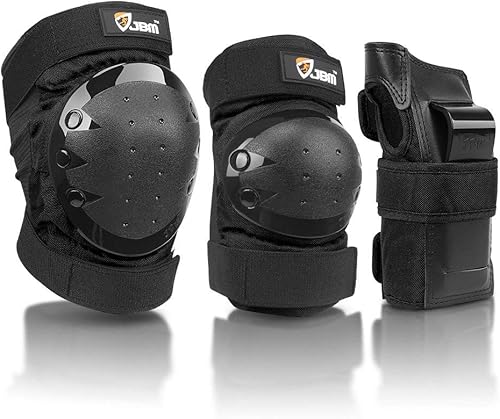
When you fall, you usually put your hands out, so wrist guards prevent the most common surfskate injury. Knee and elbow pads save a lot of skin while you learn to pump on hard pavement. Look for hard plastic caps that let you slide, and straps that stay put without cutting off circulation.
Best starter
Triple Eight
Saver Series 3-Pack Pad Set
$49.99 as of Nov 8, 2026
★★★★★Our rating· In Stock
Knee pads, elbow pads and wrist guards from a trusted skate brand, with hard caps that slide on pavement instead of grabbing. About $50. 12,400+ reviews at 4.6 stars.
A budget set of knee pads, elbow pads and wrist guards that covers the basics while you find out if surfskating sticks. About $28. 18,100+ reviews at 4.6 stars.
Cones turn an empty parking lot into a training ground. Set a line and pump through it, weaving left and right without pushing, and you'll learn to generate speed from your hips and shoulders. Low, soft disc cones are best because you can roll over them without catching a wheel.
Best starter
Generic
Disc Cones with Carry Bag and Holder
$9.99 as of Nov 8, 2026
★★★★★Our rating· In Stock
Flat, flexible disc cones with a carry bag. They're low enough to roll over safely, bright enough to see, and cheap enough not to worry about. About $10. 1,800+ reviews at 4.6 stars.
The first ride on a surfskate feels like the board has a mind of its own. Within a month you can be pumping for speed without pushing and linking smooth carves. Here's the four-week plan to get there safely.
A surfskate’s front truck is built to swing. That’s the whole magic, and it’s why your first ride feels wobbly. The fix isn’t stiffer trucks; it’s learning to move with the board. Wear your helmet and wrist guards, find smooth empty pavement, and take it in stages.
Week 1: Stance and balance
Figure out which foot goes forward. Most people lead with the same foot they’d step forward with if pushed from behind. Stand on the board on grass or carpet first, with your front foot over the front truck bolts and back foot over the rear truck.
Now rock heel to toe and feel the front truck swing. Keep your knees bent and your weight centered. On pavement, push gently and ride straight, then make wide, slow turns by leaning with your whole body rather than twisting your feet.
Week 2: Your first pumps
Pumping is what makes surfskating feel like surfing. From a gentle roll, compress your knees and rotate your shoulders toward your toes, then extend and rotate toward your heels. The front truck swings each way and pushes the board forward.
Start with small, slow movements. Lead with your shoulders and let your hips follow; your feet barely move. If the board feels like it’s shooting out, you’re putting too much weight on the back foot. Shift forward.
Set a line of cones about two board lengths apart in an empty parking lot. Push once, then pump your way through the line without pushing again. When that works, spread them out and make deeper, rounder turns.
This is where your body learns rhythm. Count it if it helps: compress, turn, extend, turn. Notice how much speed you can carry when the movements are smooth instead of jerky.
Week 4: Bigger turns and gentle slopes
Try a gentle slope or a shallow skatepark bowl at quiet times. Practice cutbacks: a deep turn that brings you back the way you came, the classic surf move. Keep your eyes looking where you want to go, because the board follows your head and shoulders.
If you surf, start copying your wave moves: a bottom turn into a top turn, or a frontside carve into a cutback. That’s the point where surfskating stops being practice and becomes its own fun.
What not to worry about yet
Don’t worry about tricks, steep hills, wheel swaps or a second board. Pump on flat ground until it feels automatic. Everything else in surfskating is built on that rhythm.
Yes. Pumping and carving on a surfskate use the same rotation, compression and weight shifts as turning on a wave. It won't teach paddling or reading waves, but many surfers use it to rehearse turns and stay fit between sessions.
What size surfskate should I get?
Most adults ride 30 to 33 inches. Under about 5'8", a 30 to 31 inch board turns easily. Taller riders or anyone wanting more stability should look at 32 to 33 inches with a longer wheelbase.
Carver or Slide?
Carver is the smoother, more forgiving choice for most beginners and the one most tutorials use. Slide's spring truck is looser and snappier, which some riders love, but it takes longer to feel in control.
How do I pump a surfskate?
Compress your knees, rotate your shoulders toward the turn, then extend and twist back the other way. The front truck swings, and that rhythm generates speed without pushing. Start slow on flat ground and build the rhythm before going faster.
Is surfskating harder than regular skateboarding?
It's different. A surfskate feels twitchy at first because the front truck moves so much, but you don't need tricks to have fun. Most people learn to pump and carve within a few weeks of regular practice.
Can I ride a surfskate to get around?
For short trips on smooth pavement, yes. Surfskates are fun but less stable at speed than cruisers or longboards, and they aren't great for long distances or rough roads.
JustBeginning earns commission from affiliate programs. As an Amazon
Associate, we earn from qualifying purchases. This costs you nothing
extra and doesn't change our recommendations.
Prices and availability are accurate as of the date and time
shown and can change; the price on Amazon when you buy is what
applies.
How this works.


 Best starter