Trout fishing starts simply: a light spinning rod, 4 lb line, a few spinners and a jar of PowerBait at a pond your state just stocked. Here's the gear that works for stocked and wild trout, what license and trout stamp you'll need, how to read a stocking schedule, and when waders are worth buying.
By Colin B. · Published November 16, 2026 · Last reviewed November 16, 2026
An Ugly Stik GX2 light combo, 4 lb Trilene XL, PowerBait and a Panther Martin six-pack come to about $115. Add a landing net, hip boots, polarized glasses and a few Kastmasters and you're near $270, plus your license and trout stamp.
We earn commission when you buy through links on this page, including
Amazon. See our affiliate disclosure.
Price tiers and budget totals shown above are editorial estimates;
actual prices vary.
At a glance
Our top pick in each category
The fastest path through this guide — each best-starter pick by category.
Scroll for the budget and upgrade alternatives.
Get your license first. Every state requires a fishing license for adults, and many need a separate trout stamp or endorsement. Buy it online from your state wildlife agency, and read the rules for the water you'll fish: daily limits, size limits, and special sections that are artificial lures only or catch and release.
Start where trout are stocked. Most states release hatchery trout into ponds, lakes and streams in spring and fall, and publish the schedule online. Stocked fish bite readily on bait and small lures, which makes them the easiest way to learn. Wild stream trout come next.
Go light. Trout have good eyesight and small mouths, so an ultralight or light spinning rod with 4 to 6 lb line casts small lures farther, gets more bites and makes even a 10-inch fish fun. A 5 to 6.5 foot rod with a 1000 to 2500 size reel is the standard setup.
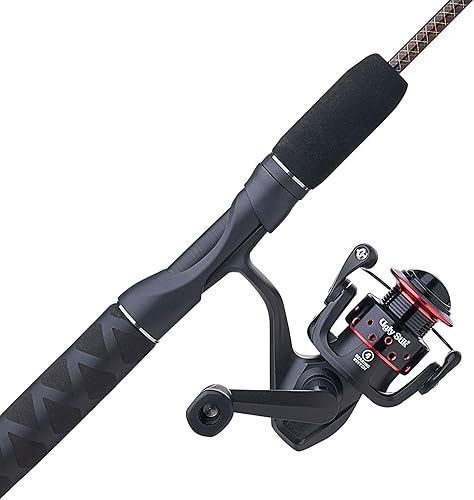
Trout fishing calls for a light or ultralight spinning rod, 5 to 6.5 feet long, with a 1000 to 2500 size reel. The light tip casts tiny lures and bait and bends nicely on a 10-inch trout, and a smooth drag protects light line. A combo with the reel already matched and spooled is the easiest start. Shorter rods are easier on brushy streams; longer ones cast farther from lake shores.
Best starter
Ugly Stik
GX2 Spinning Combo, 5' Light, 25 Size Reel
$79.95 as of Nov 16, 2026
★★★★★Our rating· In Stock
The famously tough Ugly Stik rod in a short, light power with a small 25-size reel, a good size for stocked ponds and small streams. It survives car doors and rocky banks that snap cheaper rods. About $80. 45 reviews on this size; the GX2 line has thousands.
A longer ultralight graphite rod with a fast action and a matched reel, for casting small spinners farther on lakes and big streams. It feels lighter and more sensitive than the Ugly Stik but is less forgiving of abuse. About $65. 40 reviews at 3.8 stars.
Freshly stocked trout grew up on hatchery pellets, so they bite smelly, colorful dough bait readily. Mold a pea-size ball on a small hook so it floats just off the bottom over a split shot. For line, 4 lb monofilament is the standard on an ultralight rod: thin enough to cast small lures and hard for trout to see. Change line every season, or sooner if it gets kinked and curly.
Best starter
Berkley
PowerBait Trout Dough Bait
$4.81 as of Nov 16, 2026
★★★★★Our rating· In Stock
The bait most stocked trout are caught on. It floats off the bottom where trout cruise, holds scent and comes in bright colors. Try two or three colors and see what's working that day. About $5. 2,800+ reviews at 4.6 stars.
Soft, smooth monofilament that coils less on small spinning reels and casts light lures well. Choose 4 lb test for trout, or 6 lb around rocks and wood. About $6. 1,500+ reviews at 4.6 stars.
Inline spinners and small casting spoons are how you cover water and find active trout, and they're legal on most artificial-only waters. Cast across the current, let the lure sink a moment, then retrieve just fast enough to feel the blade thump. Carry a few sizes (1/16 to 1/8 oz) in gold, silver and one bright color. Pinch down the barbs if you plan to release fish.
Best starter
Panther Martin
Fishing Lures 6-Pack, All Time Greatest Fish Catcher
$27.99 as of Nov 16, 2026
★★★★★Our rating· In Stock
Six classic Panther Martin inline spinners in proven trout colors. The convex blade spins on a slow retrieve, which is what trout want in cold water. About $28. Sold by a third-party shop with limited stock.
Worden's Rooster Tail spinners in a small box, another all-time trout favorite with a hackle tail that pulses in the current. Good to pair with Panther Martins so you have two styles. About $25. 680+ reviews at 4.7 stars.
A small, heavy casting spoon that flies a long way on light line and flutters on the drop. Great for lakes and big pools where you need distance. About $18. Sold by a third-party shop.
You don't need waders for ponds and lake shores. They're for streams, where getting into the water lets you reach better spots and stand in position to cast. Hip boots cover small, shallow creeks. Chest waders let you wade rivers but take more care: always wear a wading belt, and never wade deeper than your thighs in current. Felt soles grip slick rocks but are banned in some states to stop invasive species.
Best starter
FROGG TOGGS
Rana II PVC Bootfoot Hip Wader, Felt Sole
$38.90 as of Nov 16, 2026
★★★★★Our rating· In Stock
Simple, waterproof PVC hip boots with built-in boots and felt soles, for wading small streams and muddy banks. Pull them on and go. About $39, depending on size. 4,600+ reviews at 4.4 stars.
Breathable chest waders with neoprene stocking feet, so you can wade rivers comfortably all day. You'll need separate wading boots. About $100, depending on size. 1,300+ reviews at 4.3 stars.
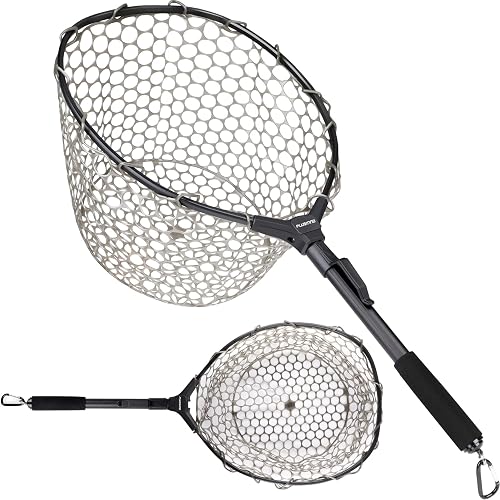
Polarized sunglasses cut the glare on water so you can see fish, rocks and the seams where trout hold. They also protect your eyes from hooks. A landing net makes it far easier to land a trout on light line, and a rubber or rubber-coated mesh net is gentler on the fish's slime coat and doesn't tangle hooks. Both are worth more than another handful of lures.
Best starter
KastKing
Huzzah Polarized Sport Sunglasses
$26.99 as of Nov 16, 2026
★★★★★Our rating· In Stock
Affordable polarized wraparound sunglasses that cut surface glare so you can spot trout and structure. They're light and come in several lens tints. About $27. 3,900+ reviews at 4.4 stars.
A compact folding net with a telescoping handle that fits in a pack or clips to a belt, with a soft rubber-coated mesh. Handy on both lakes and streams. About $21. 2,000+ reviews at 4.5 stars.
A classic wooden-frame trout net with clear rubber mesh that doesn't snag hooks or harm fish. Clip it to your back while wading. About $32. 1,200+ reviews at 4.6 stars.
Stocked trout are the friendliest fish to start on. Get a license, find out when your local water is stocked, and learn three ways to fish them: bait, spinners and spoons. Here's a four-week plan from your first cast to reading a stream.
Trout fishing can be as simple as a worm under a bobber at a stocked pond or as involved as reading every riffle on a mountain stream. Start simple and work toward the stream.
Week 1: License, rules and stocking
Buy a fishing license from your state wildlife agency before anything else. Most sell them online in a few minutes. Some states need an extra trout stamp. Read the regulations for the water you plan to fish: daily limits, minimum sizes, and rules like artificial lures only or catch-and-release sections.
Then find the stocking schedule. Most state agencies publish when and where they release trout, often weekly in spring and fall. Fishing a few days after a stocking is the easiest way to catch your first fish.
Rig a small hook (size 8 to 10) with a split shot a foot or so above it, and either a bobber or nothing. Mold a pea-size ball of PowerBait onto the hook so it floats just off the bottom, or use a nightcrawler. Cast, let it sit, and keep a little tension in the line. When the line twitches or the bobber dips, lift the rod firmly.
Learn the improved clinch knot or the Palomar knot before you go. You’ll tie it a dozen times a day.
Inline spinners and small spoons are how you cover water and find active fish. Cast across and slightly upstream, let it sink a second or two, then reel just fast enough to feel the blade spin. Vary the speed and depth until you get bites. Bright colors work in stained water. Silver, gold and natural colors work in clear water.
Trout face upstream and hold where the current brings food but they don’t have to fight it: the seams between fast and slow water, behind rocks, at the heads of pools and under undercut banks. Cast above those spots and let your lure or bait drift through.
Handle fish with wet hands, keep them in the water as much as possible if you’re releasing them, and use a rubber net, which is gentler on their slime coat.
Need the gear? Our trout fishing gear guide covers ultralight rods and reels, line, lures, bait and waders.
Save your money
What you don't need yet
Beginners get pressured to buy a lot of stuff that doesn't help them play
better. Here's what we'd skip on day one.
A fly rod — Fly fishing is wonderful, but it's a separate skill. Learn trout habits with a spinning rod first.
Breathable chest waders — Ponds and lake shores need none. Start with hip boots or wet wading in summer, and buy chest waders once you fish streams often.
A fish finder or kayak — Most stocked trout water is fished from shore. Learn the shoreline before buying a boat.
Dozens of lures — A handful of spinners and spoons in a few sizes and colors catches most trout.
Fluorocarbon leaders and fancy line — Plain 4 lb monofilament works well for stocked trout. Try fluorocarbon later for clear, pressured water.
First week
Your first seven days
A short, real plan to get from gear-on-doorstep to actually playing.
Buy a fishing license and any trout stamp your state requires. · Action
Learn the improved clinch knot or the Palomar knot at home. · Learn
Fish PowerBait off the bottom with a small hook and split shot, then try a spinner along the shore. · Action
FAQ
Common questions
Do I need a trout stamp?
It depends on your state. Many states require a trout stamp or endorsement on top of a regular fishing license, either for all trout fishing or for certain waters. Check your state wildlife agency's license page before you go; it takes a minute to add online.
What's the best bait for stocked trout?
PowerBait dough on a small hook fished just off the bottom is the classic, along with nightcrawlers and salmon eggs where legal. Hatchery trout are raised on pellets, so they're used to smelly, colorful food. Small spinners and spoons work well once they've been in the water a few days.
What size line should I use?
4 lb monofilament is the standard for trout on an ultralight rod. Go to 6 lb around rocks and wood or for bigger fish in lakes. Lighter line casts small lures farther and is harder for fish to see.
When is the best time to fish for trout?
Trout like cold water, so spring and fall are best, and early morning and evening in summer. Fishing a stocked water within a few days of stocking gives you the best odds. In midsummer heat, many stocked waters slow down or close.
Do I need waders?
Not to start. Many ponds, lakes and streams can be fished from the bank. Hip boots or summer wet wading let you reach more of a small stream. Buy chest waders when you find yourself fishing rivers regularly.
JustBeginning earns commission from affiliate programs. As an Amazon
Associate, we earn from qualifying purchases. This costs you nothing
extra and doesn't change our recommendations.
Prices and availability are accurate as of the date and time
shown and can change; the price on Amazon when you buy is what
applies.
How this works.
Our top pickGX2 Spinning Combo, 5' Light, 25 Size Reel


 Best starter