Spring turkey hunting is about calling a gobbler in close while you sit perfectly still. The gear is a patterned shotgun with a turkey choke (or a bow), a couple of simple calls, a hen decoy, full camo and a vest with a seat. Here's what to buy first, plus the hunter education, tags and regulations you need before opening day.
By Colin B. · Published November 16, 2026 · Last reviewed November 16, 2026
LCD Breeder Hen Turkey Decoy
— Avian-X LCD breeder hen: one lifelike decoy that pulls a gobbler the last 20 yards. About $79.
Long Beard XR 12 GA Choke Tube
— Carlson's Long Beard XR choke: tightens your pattern for clean head shots. About $63; match it to your gun.
Budget total
$210
Typical total
$420
Assuming you own a 12 gauge: a Primos box call and slate call, an Avian-X hen decoy, a Mossy Oak face mask and a Carlson's turkey choke come to about $210. Add an ALPS turkey vest with a seat, a mouth call and a pop-up blind and you're near $420, plus hunter ed, license, tags and shells.
We earn commission when you buy through links on this page, including
Amazon. See our affiliate disclosure.
Price tiers and budget totals shown above are editorial estimates;
actual prices vary.
At a glance
Our top pick in each category
The fastest path through this guide — each best-starter pick by category.
Scroll for the budget and upgrade alternatives.
Take hunter education and read the regulations. Most states require a hunter ed course before you can buy a license, and many offer it online with a short field day. Spring turkey usually needs a hunting license plus a turkey tag. Check legal shooting hours, shot size limits, decoy and electronic call rules, and how to report a harvest.
Pattern before you hunt. A turkey's kill zone is its head and neck, so shotgun hunters use a tight turkey choke and pattern their load at 20, 30 and 40 yards on a turkey target. Modern tungsten (TSS) loads pattern very densely but cost several dollars a shell. Lead turkey loads are cheaper and fine within 35 yards with a good choke.
Buy friction calls before mouth calls. A box call and a slate (pot) call make realistic hen yelps on the first day. Mouth diaphragms leave both hands free but take weeks of practice, so start learning one in winter. A single hen decoy and the patience to sit still matter more than having every call.
The gear
What you actually need
Turkey calls
Calls imitate a hen's yelps, clucks and purrs to bring a gobbler in. Box calls are the easiest: slide the lid across the box and you have realistic, loud yelps on day one. Slate (pot) calls add the soft clucks and purrs that close the deal on nearby birds. Mouth diaphragms sit on the roof of your mouth and keep your hands free for the gun, but take weeks of practice, so start learning one in winter.
Best starter
Primos
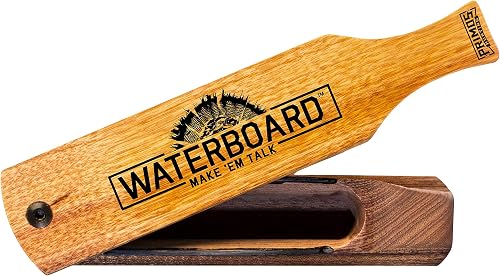
PS257 Waterboard Turkey Box Call
$36.12 as of Nov 16, 2026
★★★★★Our rating· In Stock
A box call made from a water-resistant composite wood, so it still sounds right on damp spring mornings when traditional box calls go quiet. It makes loud, realistic yelps with almost no practice. About $36. 100 reviews at 4.2 stars.
A slate pot call with a striker for soft yelps, clucks and purrs when a gobbler is close. It's quieter and more subtle than a box call, and cheap. About $15. 1,700+ reviews at 4.6 stars.
A popular diaphragm call that's easier than most to run, with a cut reed that makes raspy yelps and cutts. It keeps your hands free to hold the gun on a close bird. About $15. 680+ reviews at 4.6 stars.
A decoy gives a gobbler something to look at, so he commits the last 20 yards instead of hanging up out of range looking for the hen he heard. For your first season, one realistic hen decoy is enough. Set it 15 to 20 yards from your tree, inside your shotgun range. Jake and strutter decoys can draw aggressive toms but can also scare off subordinate birds, and they add a safety risk on public land.
Best starter
Avian-X
LCD Breeder Hen Turkey Decoy
$78.95 as of Nov 16, 2026
★★★★★Our rating· In Stock
A lifelike, hand-painted hen decoy in a relaxed breeding posture that draws gobblers in close. It's made from a durable foam that collapses into a vest pocket and pops back into shape. About $79. 670+ reviews at 4.7 stars.
A cheaper, lightweight hen decoy that still looks real enough to help close the distance. A good way to start before spending on premium decoys. About $44. 180+ reviews at 4.6 stars, but stock is low.
A turkey choke tightens your shotgun's pattern so enough pellets hit the head and neck at 30 to 40 yards. Chokes are made for specific guns, so buy the one listed for your make and model, and always pattern it with your chosen load. A pop-up ground blind hides your movement, which helps a lot with new hunters, bowhunters and anyone hunting with a child or partner who fidgets.
Best starter
Carlson's
Long Beard XR 12 GA Choke Tube
$62.64 as of Nov 16, 2026
★★★★★Our rating· In Stock
A choke designed for Winchester Long Beard XR lead loads that also patterns well with many other turkey loads. Choose the version for your shotgun's choke thread (Remington, Mossberg, Beretta and others). About $63. 620+ reviews at 4.8 stars.
A pop-up ground blind that hides two hunters and your movement when a gobbler comes in. It sets up in a minute and has shoot-through mesh windows. About $93. 1,700+ reviews at 4.5 stars.
Turkeys see color and movement better than almost any game animal, so turkey hunters wear full camo including a face mask and gloves, in a pattern that matches spring woods. A turkey vest holds calls, shells and a decoy in labeled pockets, and its fold-down seat cushions you against a tree for hours. Wear hunter orange walking in and out on public land, and never wear red, white, blue or black.
Best starter
ALPS OutdoorZ
Super Elite 4.0 Turkey Vest with Fold-Away Seat
$99.99 as of Nov 16, 2026
★★★★★Our rating· In Stock
A turkey vest with a removable fold-away seat, a game bag, and pockets sized for box, slate and mouth calls. It keeps everything quiet and in reach while you sit. About $100, depending on stock. 360+ reviews at 4.6 stars.
A breathable mesh face mask in Mossy Oak camo that hides your face, which is the first thing a turkey spots. Light enough for warm spring mornings. About $18. 1,900+ reviews at 4.6 stars.
ALPS's premium turkey vest with a thick memory foam seat, a built-in back support and more storage, including a decoy pouch. Worth it if you sit for hours. About $190. 580+ reviews at 4.6 stars.
Turkey hunting is a conversation: you find birds, call softly, and wait for a gobbler to come looking for a hen. Here's a plan for your first spring, from hunter education and pattern testing your shotgun to scouting, calling and sitting still.
Spring turkey season is short, usually a few weeks in April and May, so the work starts in winter. Most of what decides your first hunt happens before opening day.
Winter: Hunter ed, license and tags
Take your state’s hunter education course. Most states require it if you were born after a certain year, and many offer an online course with a short field day. Then buy a hunting license and spring turkey tags, and read the regulations: legal hours (often sunrise to midday in spring), legal shot sizes, whether decoys and electronic calls are allowed, and how to report a harvest.
Look up public land too. State wildlife areas and national forests hold turkeys in many regions, and your state’s agency usually publishes maps.
A turkey’s vital area is its head and neck, which is a small target. Fit a turkey choke, then shoot your load at a turkey head target at 20, 30 and 40 yards. Count the pellets in the head and neck. If the pattern is thin at 40, your maximum range is 30. Try a different load or choke if needed. Bowhunters should practice from a sitting position, because that’s how you’ll shoot.
Look for tracks, droppings, dusting spots and scratched-up leaves in the woods and along field edges. In the evening, listen from a high spot for gobbling as birds fly up to roost. Birds that roost in the same area are your best opening-day bet. Don’t call to them before the season; you’ll teach them to be wary.
Get in before first light, 100 to 200 yards from a roost if you can, and sit against a tree wider than your shoulders. That protects you from behind and breaks up your outline. Set a hen decoy 15 to 20 yards out. Call softly with a few yelps on a box or slate call once it’s light, then wait. Less calling is usually better.
Turkeys see movement extremely well. Keep your gun up on your knee, move only when the bird’s head is behind a tree or its fan is toward you, and never stalk a gobbling bird: it could be another hunter. Never wear red, white or blue, the colors of a gobbler’s head.
In most states, yes, if you were born after a certain year (often 1960s to 1980s). Many states offer an online course plus a short in-person field day, and some offer a one-time apprentice license so you can try hunting with a mentor first. Check your state's wildlife agency.
Are TSS loads worth the price?
For long shots or 20 gauge and .410 guns, often yes: tungsten super shot patterns very densely and keeps energy at 40+ yards. But a good lead or blended turkey load and a tight choke will kill turkeys cleanly within 35 yards for much less. Pattern whatever you buy.
Which call should I learn first?
A box call. It makes loud, realistic yelps right away and is easy to control. A slate call adds soft clucks and purrs for close birds. Start practicing a mouth call in winter; it's the most versatile once you've learned it.
How close should a turkey be before I shoot?
Within the range you patterned, usually 20 to 40 yards for shotguns and under 20 for bows. Aim at the base of the neck where the feathers meet the skin, and only shoot when the bird's head is up and clear of brush.
Is turkey hunting safe?
Very, if you follow the rules: identify your target fully, never shoot at sound or movement, never wear red, white, blue or black (gobbler colors), sit against a wide tree, and never stalk a gobbling bird. Wear hunter orange when walking in and out.
JustBeginning earns commission from affiliate programs. As an Amazon
Associate, we earn from qualifying purchases. This costs you nothing
extra and doesn't change our recommendations.
Prices and availability are accurate as of the date and time
shown and can change; the price on Amazon when you buy is what
applies.
How this works.

 Best starter


