Classical guitar is the friendliest way into the instrument: soft nylon strings, a wide neck that makes clean fingering easier, and centuries of music written for it. The big first mistake is buying a steel-string guitar by accident. Here's which guitar to buy, the strings and support that matter, and how to sit so your hands can do the work.
By Colin B. · Published November 6, 2026 · Last reviewed November 6, 2026
A Yamaha C40II, a clip-on tuner and a footstool come to about $240. Add a spare set of strings, a glass nail file and a proper method book and you're near $285, everything you need for the first year.
We earn commission when you buy through links on this page, including
Amazon. See our affiliate disclosure.
Price tiers and budget totals shown above are editorial estimates;
actual prices vary.
At a glance
Our top pick in each category
The fastest path through this guide — each best-starter pick by category.
Scroll for the budget and upgrade alternatives.
Make sure it says nylon strings or classical. Steel-string acoustics look similar but have a narrower neck, much higher string tension and a different technique. Never put steel strings on a classical guitar: the extra tension can pull the bridge off.
Buy full size if you're an adult or a teen. The 3/4 and 1/2 sizes are for kids or very small hands. A classical neck is about 52 mm wide at the nut, which feels big at first but gives your fingers room to land cleanly.
Budget for a footstool or support and a tuner. Classical technique depends on raising the guitar's neck to the right angle, and nylon strings stretch for days after you put them on, so you'll tune a lot early on.
A good first classical guitar has a straight neck, low enough action that pressing strings doesn't hurt, and tuners that hold pitch. Laminate tops are tough and stable. Solid tops (cedar or spruce) sound richer and get better with age, but cost more and need a little more humidity care. Size is the other decision: full size for adults, 3/4 for players under about 5 feet or with small hands.
Guitars — what's the difference?
A few common shapes, each making a different trade.
Laminate top
Durable, stable and cheaper. The sensible first guitar for most beginners.
Typical price
$150-250
Sound
Clear, a little thinner
Humidity care
Low
Best for First guitar, dry climates, players unsure they'll stick with it
The guitar teachers recommend more than any other for a first classical. Spruce laminate top, rosewood fingerboard, a straight neck and decent factory setup, so it plays in tune and doesn't fight your fingers. About $200. 1,600+ reviews at 4.5 stars.
A solid cedar top gives a warm, full voice from day one, and it keeps getting better as you play it. Mahogany back and sides, a comfortable neck and good tuners. The guitar many players never feel the need to replace. About $450.
Nylon strings come in tensions: low, normal and high. Normal tension is the right start. Low tension is easier on fingertips but can buzz; high tension is louder and punchier but harder to press. New nylon strings stretch a lot, so expect to retune constantly for the first few days. Change them every two to three months if you play daily, or when the sound goes dull.
Best starter
D'Addario
Pro-Arte Nylon Classical Guitar Strings, Normal Tension (EJ45)
$12.99 as of Nov 6, 2026
★★★★★Our rating· In Stock
The default classical string for good reason: balanced tone, consistent quality and they settle in quickly. Normal tension works on any classical guitar. About $13 a set, with 29,000+ reviews at 4.6 stars.
Low tension makes the strings noticeably easier to press, which helps sore fingertips in the first month. Augustine is one of the original nylon string makers. About $11.
Savarez's carbon Alliance trebles are brighter and more projecting than nylon, and the Cantiga Premium basses are warm and long-lasting. A big tone upgrade on a solid-top guitar. About $33.
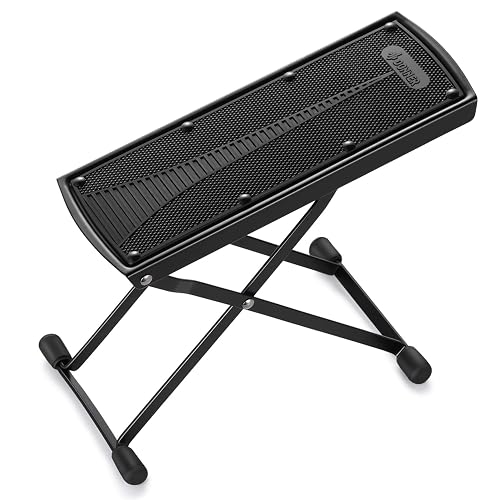
Classical posture rests the guitar on your left leg with the neck angled up, so your left hand can reach the whole fingerboard and your right arm sits naturally over the strings. A footstool raises your left leg to get that angle. A guitar support does the same job by lifting the guitar instead, which is kinder to your lower back if you practice for long sessions.
Best starter
Donner
Guitar Foot Stool, 6-Position Height Adjustable
$15.99 as of Nov 6, 2026
★★★★★Our rating· In Stock
The traditional classical setup, for about $16. Six height settings, folds flat and has rubber feet that stay put. 1,700+ reviews at 4.5 stars.
What we like
Cheap way to get correct posture
Six heights to find your angle
Folds flat for a gig bag pocket
What to know
Raising one leg can strain the lower back over long sessions
An adjustable guitar lifter that raises the guitar off your leg, so both feet stay flat on the floor. A good middle ground if a footstool bothers your back. About $30. 900+ reviews at 4.2 stars.
What we like
Both feet flat, easier on the back
Adjustable height and angle
What to know
Takes some fiddling to find the right height and angle
The support many teachers and pros use. Strong suction cups, a solid hinge and a wide range of height and angle adjustment, and it holds the guitar rock steady. About $56. 1,000+ reviews at 4.4 stars.
New nylon strings stretch for days, and classical guitars drift with temperature and humidity, so a tuner is essential. A clip-on tuner reads vibration through the headstock, which means it works in a noisy room. Classical headstocks are slotted and thick, so pick a clip that opens wide and grips well.
Best starter
D'Addario
Micro Headstock Tuner
$21.99 as of Nov 6, 2026
★★★★★Our rating· In Stock
Small enough to leave on the guitar all the time, accurate, and the bright display is easy to read from playing position. About $22. 19,000+ reviews at 4.5 stars.
A big, bright, swiveling display that's easy to read and a strong clip that grips thick classical headstocks. Works on other instruments too. About $21. 10,000+ reviews at 4.6 stars.
Classical guitarists pluck with a mix of fingertip and fingernail on the right hand, which gives a clearer, louder tone. That means shaping and polishing your nails so they glide off the string without snagging. Keep the left-hand nails short so they never touch the fingerboard. You don't need a salon kit: a fine file and a polisher handle almost everything.
Best starter
Bona Fide Beauty
Czech Glass Nail File with Case
$9.95 as of Nov 6, 2026
★★★★★Our rating· In Stock
Glass files shape nails smoothly without fraying the edge, and they last for years. The standard tool guitarists keep in the case. About $10. 33,000+ reviews at 4.7 stars.
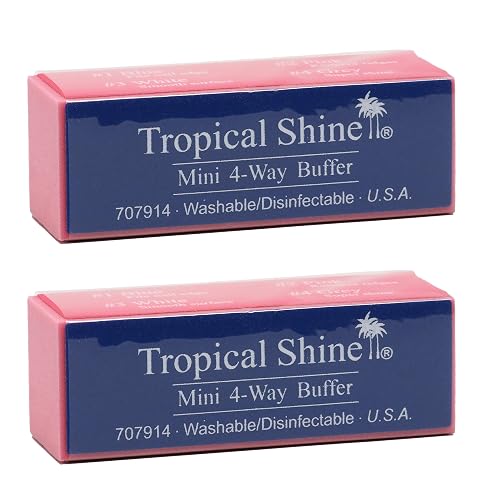
After filing, the finer grits polish the nail edge so it releases the string cleanly. A smooth edge is the difference between a clear note and a scratchy one. About $7.
The finishing method many classical players swear by. Graded ultra-fine pads take the nail edge to a glassy polish, and the same pads clean up guitar frets too. About $21.
Classical guitar is a reading tradition. A good method book teaches standard notation, right-hand technique and real pieces in a careful order, so you're playing music instead of just exercises. Pair one with free online lessons or a teacher. Working through a method book in order is the fastest way to steady progress.
Best starter
Frederick Noad
Solo Guitar Playing Book 1, Fourth Edition
$20.50 as of Nov 6, 2026
★★★★★Our rating· In Stock
The classic self-teaching method. Noad introduces one note or technique at a time, explains why, and quickly gets you playing real pieces by Sor, Carulli and others. About $21. 690+ reviews at 4.6 stars.
A deeper, more technical method focused on how the hands move: posture, right-hand strokes and efficient left-hand fingering. Popular with teachers and university programs. About $30.
Classical guitar rewards patience with the basics. Here's how to sit, how to pluck, how to read your first notes and how to practice so that in three months you're playing real pieces cleanly.
Classical guitar is less about chords and strumming and more about single notes played cleanly with the fingers. That makes the first weeks feel slow. It also means every minute you spend on posture and hand position pays off for years.
Weeks 1 to 2: Posture and the right hand
Sit on the front edge of a chair without arms. Put your left foot on the footstool, set at about 6 inches to start, and rest the guitar’s waist on your left thigh. The neck should point up at roughly 45 degrees, with the headstock near eye level. Your right forearm rests on the top edge of the guitar, and your right hand hangs relaxed over the soundhole.
Now learn the two basic strokes, using the letters classical music uses for fingers: p (thumb), i (index), m (middle), a (ring).
Free stroke (tirando): pluck the string and your finger moves into the air, missing the next string. Used for most arpeggios.
Rest stroke (apoyando): pluck the string and your finger comes to rest on the next string. Fuller and louder, used for melodies and scales.
Alternate i and m on each open string, slowly, 10 minutes a day. Keep the hand still and let the fingers do the moving.
Put your left thumb behind the neck, roughly behind your second finger, not wrapped over the top. Press each string just behind the fret with the tip of your finger, using only as much pressure as it takes to stop buzzing.
Start reading standard notation from your method book. Learn the notes on the first three strings first (E, B and G), then add the bass strings. Read slowly and say the note names out loud. Tabs are tempting, but almost all classical music is written in notation, and the habit comes quickly if you start now.
Your first pieces will be simple melodies and short studies by composers like Carulli, Sor and Giuliani. Play them slower than you think you need to.
Weeks 7 to 12: Nails, tone and real pieces
Once the strokes feel natural, try growing your right-hand nails just past the fingertip. File them into a smooth curve that follows the fingertip, then polish the edge so it slides off the string. Pluck with a mix of skin and nail. The tone gets clearer and louder. Keep the left-hand nails short so they never hit the fingerboard.
By now you can work on a first real piece: a slow study, an easy prelude or a well-known melody arranged for guitar. Learn it in small sections, two bars at a time, and only speed up once a section is clean.
Thirty minutes a day beats two hours on a Sunday. A good split:
5 minutes: tune up, then open-string i-m alternation and p on the bass strings.
10 minutes: the current exercise or scale from your method book.
15 minutes: your piece, in small sections, slowly.
Record yourself once a week. You’ll hear buzzes and uneven notes you miss while playing.
What not to worry about yet
Don’t worry about speed, vibrato or the famous showpieces. Don’t buy a better guitar yet; a well set up starter is plenty for the first year. And don’t skip the boring open-string work. Clean, even notes on open strings are the foundation of everything else.
Save your money
What you don't need yet
Beginners get pressured to buy a lot of stuff that doesn't help them play
better. Here's what we'd skip on day one.
An all-solid or luthier-built guitar — A $1,000+ guitar won't fix early technique. Play a C40II or C5 for a year or two and you'll know what you want.
An acoustic-electric classical — Built-in pickups add cost and weight. Skip them unless you already know you'll play on stage.
A hard case — If the guitar stays at home, a stand or a padded gig bag is plenty. Buy a hard case when you start traveling with it.
Fancy string sets — Learn on normal-tension Pro-Arte first. Premium strings only make sense once you can hear the difference.
First week
Your first seven days
A short, real plan to get from gear-on-doorstep to actually playing.
Order a nylon-string classical guitar, a tuner and a footstool. · Buy
What's the difference between classical and acoustic guitar?
Classical guitars use nylon strings at low tension, have a wider, flatter neck and are played with the fingers. Acoustic guitars use steel strings, have narrower necks and are often played with a pick. They need different technique and different strings.
Is classical guitar easier for beginners?
Nylon strings are much softer on your fingertips, so the first weeks hurt less. The wider neck takes a little stretching, but it gives fingers room to land cleanly. Many teachers start all beginners on classical for that reason.
Should I get a full size or 3/4 classical guitar?
Adults and most teens should get full size. A 3/4 guitar is for kids roughly 8 to 12 or adults under about 5 feet with small hands. Smaller guitars are quieter and most players outgrow them.
Do I need long nails to play classical guitar?
Not to start. You can play with fingertips only. Most players grow the right-hand nails a little past the fingertip and shape them for a clearer tone, while keeping the left-hand nails very short.
How often should I change classical guitar strings?
Every two to three months if you play most days, or when the bass strings sound dull and the notes stop ringing. Expect a few days of retuning after every change while the nylon stretches.
Can I teach myself classical guitar?
Yes, with a good method book and video lessons. A few lessons with a teacher early on are worth it to check posture and hand position, because bad habits there are hard to fix later.
JustBeginning earns commission from affiliate programs. As an Amazon
Associate, we earn from qualifying purchases. This costs you nothing
extra and doesn't change our recommendations.
Prices and availability are accurate as of the date and time
shown and can change; the price on Amazon when you buy is what
applies.
How this works.


 Best starter